Are 100% Cotton Jeans Better? Levi's Is Selling Both Answers in the Same £110 Style
Ten women's jeans opened on both sides of the Atlantic, £26 to $198, one field copied from each page. The cotton number barely moves. The fiber underneath it is doing all the pricing.
 ·
· 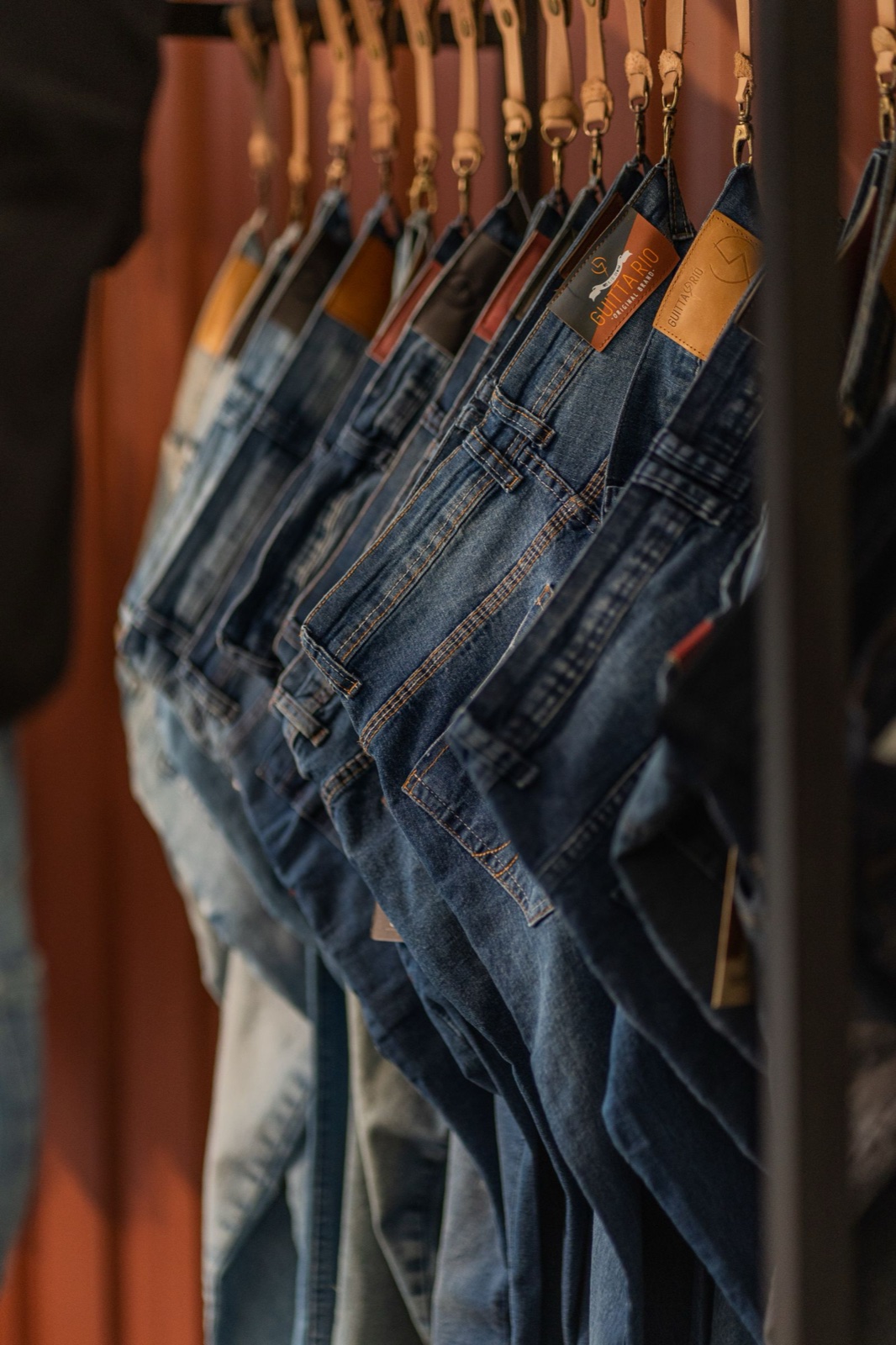
Every fall list that crossed my screen this week agreed on the same pair of jeans. Who What Wear filed dark-wash denim on August 21 as one of three things fashion people either own or are about to buy, next to suede bags and loafers, and the new-arrival walls have clearly gotten the same memo. Fine. But if you’re about to spend real money on the season’s most agreed-upon purchase, the page has one line worth more than the wash, and it’s the one nobody scrolls to.
So I opened ten women’s pairs, US and UK, on the afternoon of August 26, and copied out the composition field as each retailer prints it. We haven’t worn any of these ten, and everything below is the retailer’s own transcription of the strip sewn inside the garment, plus the prices as they stood.
| Pair (page read Aug 26) | Price | Composition field as printed |
|---|---|---|
| M&S Eva Bootcut Jeans, “with stretch” | £26 | 83% cotton, 15% polyester, 2% elastane |
| M&S High Waisted Wide Leg Ankle Grazer | £28 | 80% cotton, 18% polyester, 2% elastane |
| J.Crew Charley kickout, “in super-stretch” | $148 | 90% cotton, 8% Repreve, 2% elastane |
| J.Crew Matchstick jean | $148 to $158 | 88% cotton, 8% recycled polyester, 4% elastane |
| J.Crew Slim-wide, “in semi-stretch” | $148 | 99% regenagri cotton, 1% elastane |
| J.Crew Denim trouser jean | $158 to $168 | 75% cotton, 23% lyocell, 2% elastane |
| J.Crew Zoe barrel jean | $158 | 100% cotton |
| J.Crew Jesse relaxed straight | $148 to $168 | 100% cotton |
| Levi’s 501, women’s, at M&S | £110 | one wash 100% cotton, four washes 99% cotton, 1% elastane |
| Lee X J.Crew vintage straight | $198 | 100% cotton |
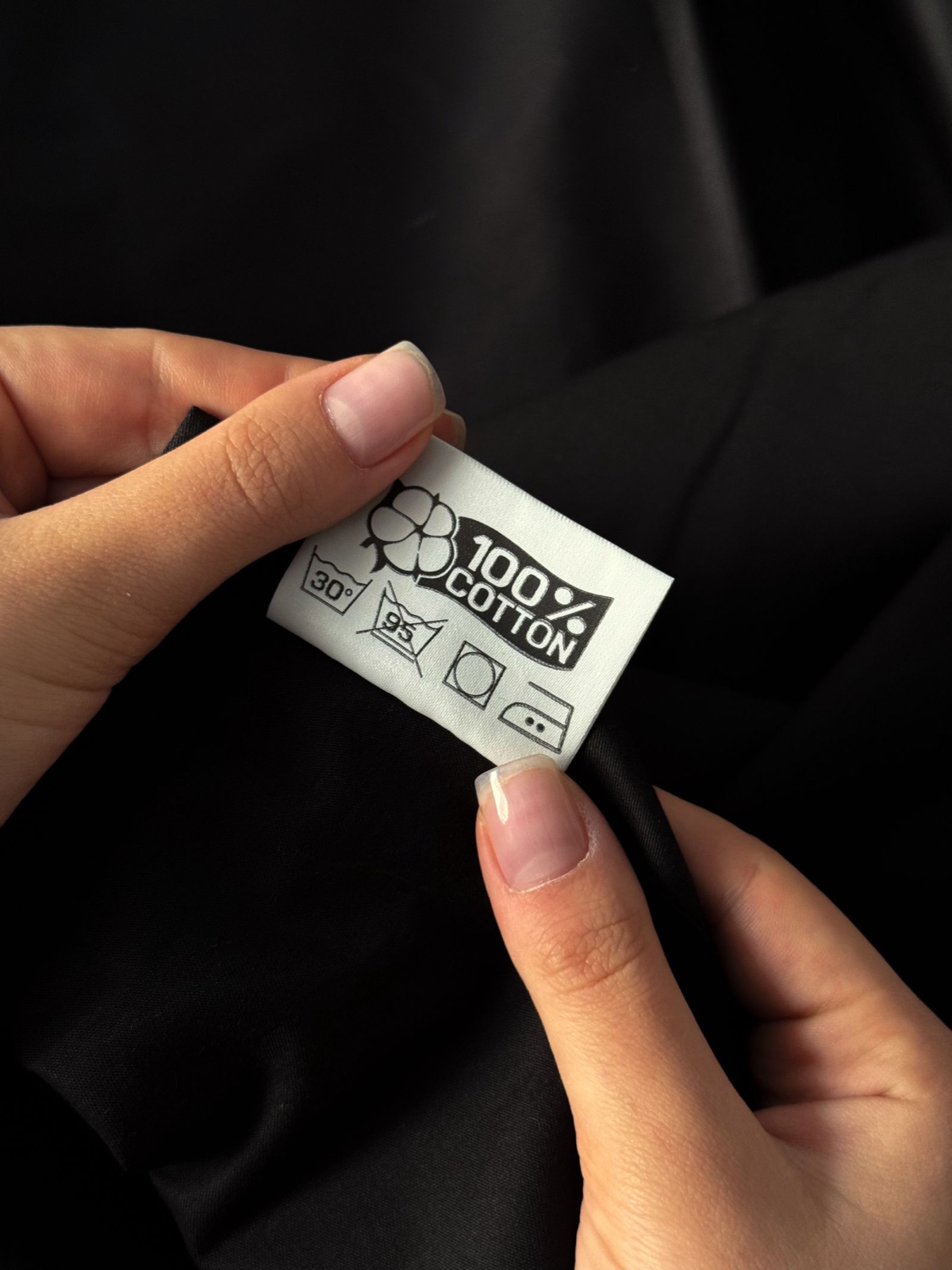
Does anyone make 100% cotton jeans anymore?
Yes: J.Crew’s US women’s denim wall lists 42 jeans and files 14 of them under its own rigid filter, and three of the pairs above print a plain 100% cotton line, from the $158 Zoe barrel to the $198 Lee collaboration. The category didn’t die. It moved upmarket and got quieter.
The strangest entry is the 501. One product name, £110, five washes, and the composition field splits down the middle of it: the stone wash prints 100% cotton while the other four print 99% cotton with 1% elastane. Same style number on your receipt either way.
You aren’t buying a style, you’re buying a wash, and the fiber rides along with the dye lot.
Are 100% cotton jeans better quality?
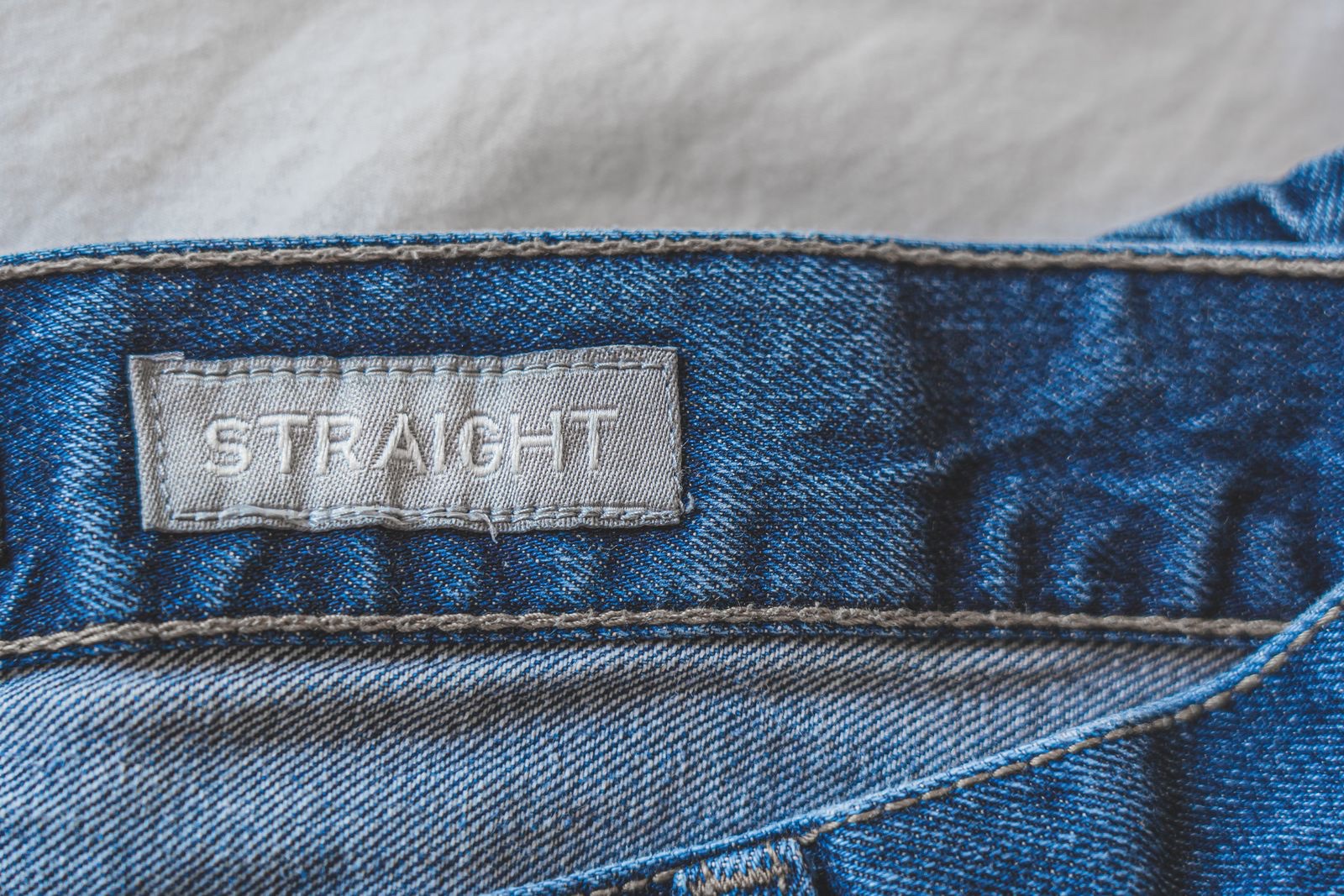
A 100% cotton line on a jeans page tells you the pair is rigid, not that it’s well made, and across these ten pages the number that actually climbs with price is the third fiber: 15 to 18 percent plain polyester on the £26 and £28 pairs, lyocell and brand-name recycled polyester in J.Crew’s $148 to $168 band, then nothing at all at £110 and $198. The cotton percentage barely moves. The filler is the price tag.
And the labels J.Crew puts in its product names don’t track the elastane either. The one pair on the wall sold as super-stretch prints 2% elastane. The Matchstick, whose name warns you of nothing, prints 4%. As far as I can tell from the pages alone, stretch lives in how the yarn is spun as much as in the rubber, so the percentage isn’t a stretch meter, which is presumably why the marketing gave up on it too.
What no page prints: fabric weight. Ounces are the number denim people actually argue about, and none of these ten retailers will tell you, though the Slim-wide’s regenerative badge does guarantee, in its own fine print, that at least 30% of the cotton comes from regenerative farms.
The badge is round and green. The number inside it is 30.
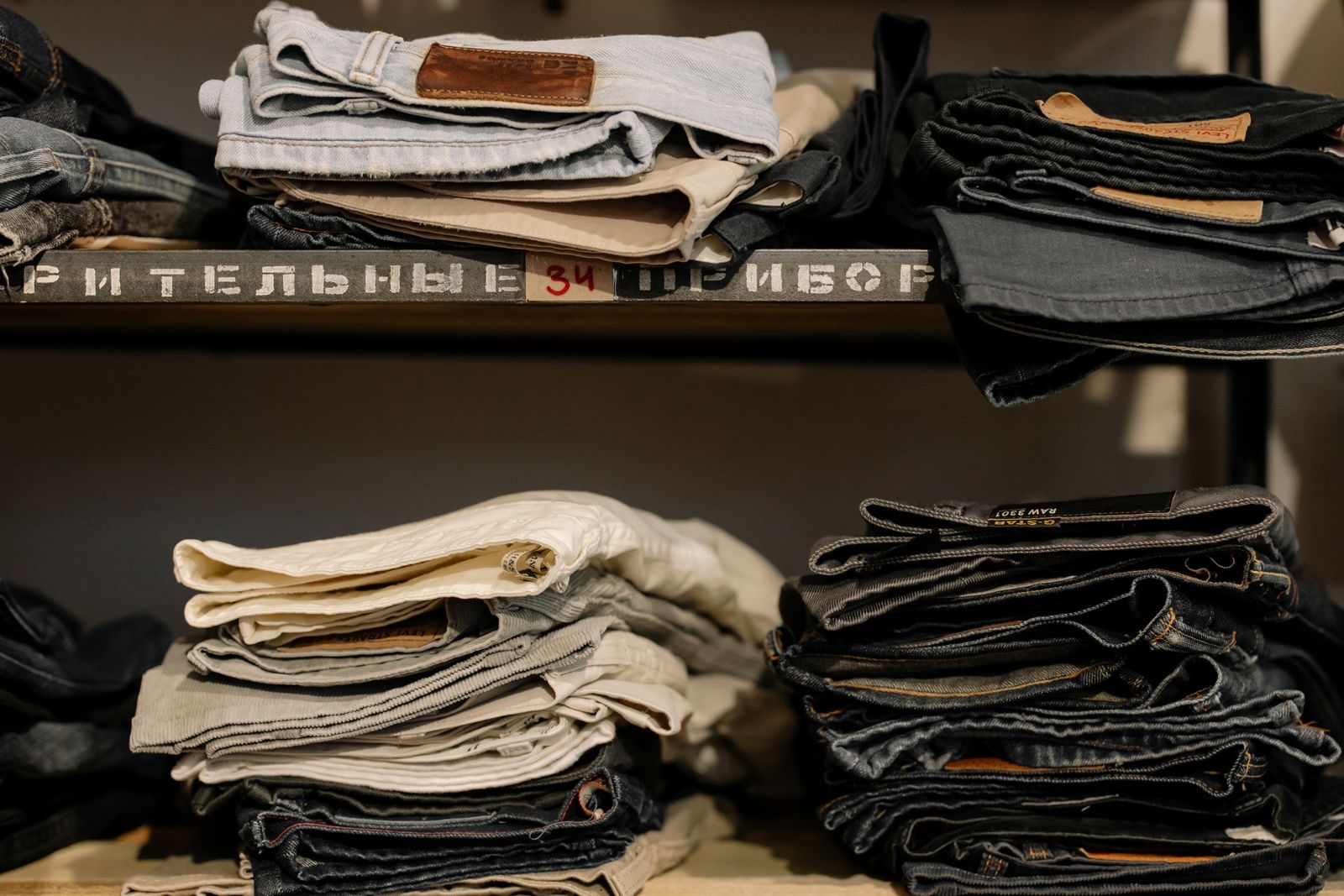
The $198 page is the tell for where this argument has landed. Lee and J.Crew sell the absence of elastane as the feature itself: no added stretch, denim that “molds to your shape over time (aka only gets better with every wear).” The £26 Eva page engineered that exact behavior out and calls its version comfort. Neither page is lying. They’re pricing opposite failures, because elastane loses its snap and bags out while rigid cotton goes soft at the knees, and only one of those gets romanticized as patina.
So if the dark-wash memo has reached you too, you can skip paying extra for the word cotton. All ten pairs are mostly cotton, the way every “merino” jumper we read was mostly wool. The real decision is the filler, and exactly one page out of ten puts its stretch in the product name where you can see it. It’s the £26 one.