Are Liquidation Sales Worth It? The Banner Says Blowout, the First Number Is 25
Going-out-of-business sales are mostly run by a few specialist firms, and their own press releases print the terms: the opening discount, the baseline it's cut from, and how fast the gift cards die. We read three of those releases, one New York statute, and the BBB's ad code, then lined the numbers up.
 ·
· 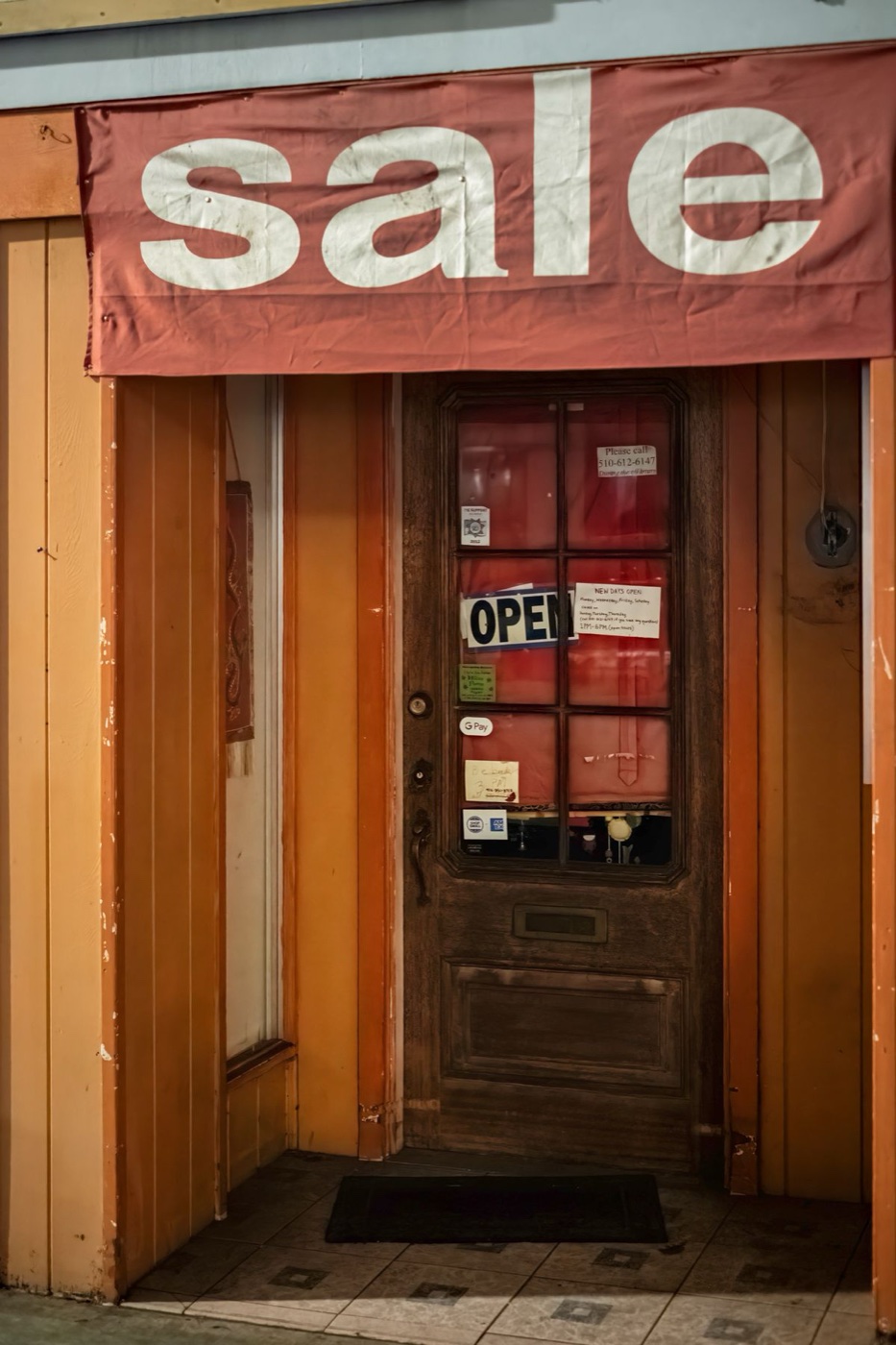
EVERYTHING MUST GO is the rare retail sign that’s telling the truth, so long as you read it as inventory accounting and not as a promise to you. The chairs must go. The fixtures must go, and there’s usually a second sign selling you those. The one thing under no obligation to go anywhere is the “original price” printed on the tag, the number your discount gets computed from. Somebody chose that number, and the banner doesn’t say who.
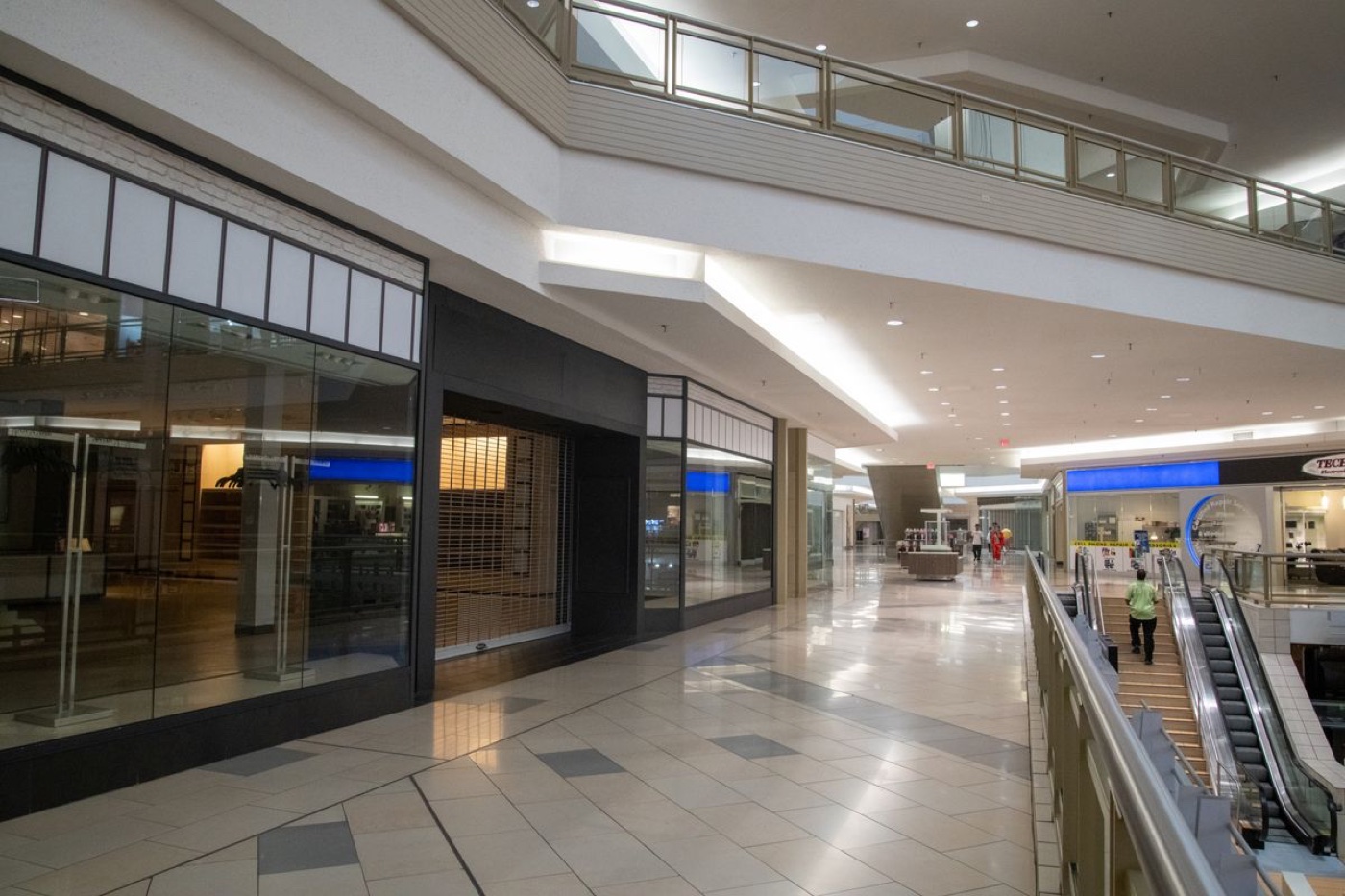
This is the year to get the reading right. Coresight Research projects roughly 7,900 US store closures in 2026, per an April tracker from MMCG Invest, and a chunk of those closures come wrapped in yellow-and-red signage. Francesca’s put roughly 400 stores through liquidation earlier this year. Saks Off 5th’s website is now a goodbye note. If you shop in a mall this fall, you will walk past this banner.
So here’s the good news first, because there is some. The markdowns are real, they get deeper the longer the sale runs, and by the final weeks the percentage signs reach numbers ordinary retail won’t print. Bob’s Stores opened its 2024 going-out-of-business event advertising discounts of 30 to 70 percent off. The law is also quietly on your side: New York, for one, licenses these sales precisely because they’ve historically been a fraud magnet. The bad news is everything between you and those final weeks, and that’s most of the sale.
Who runs a going-out-of-business sale?
Large US going-out-of-business sales are usually run by specialist liquidation firms like Gordon Brothers, Hilco, and Tiger Capital Group, not by the retailer’s own merchants. When Big Lots closed its stores, the event was managed by all three as a joint venture, per Gordon Brothers’ December 2024 press release. Bob’s Stores handed its wind-down to Hilco Merchant Resources and Gordon Brothers. The staff at the register may be the same people. The pricing decisions have already left the building.
I went through those press releases expecting fee structures and found none. None of the releases we read says what the liquidator earns, and none defines the “original prices” the discounts are cut from. That phrase does the heaviest lifting in the whole genre, and it arrives with no paperwork attached.
Are liquidation sales worth it in week one?
Week one is usually the worst week: Big Lots’ store-closing sale opened at “up to 25% off original prices on all merchandise,” and Francesca’s liquidation began at 25 to 40 percent off, per Retail Dive’s February 2026 bankruptcy coverage. An ordinary promo weekend at a mall chain clears those numbers without anyone filing for Chapter 11. And that opening discount is applied to the retailer’s own stated price, the same species of number we took apart in our compare-at audit. New York’s going-out-of-business statute lists the frauds its license exists to prevent, and overstating “quality, former price and ownership” is on the list by name. Legislatures don’t write sentences like that about things that never happen.
What week one does offer is selection. Full size runs, both colorways, the coat you actually wanted. That’s the trade the whole sale is built on: shallow discount with choice at the start, deep discount over the leftovers at the end. Neither end hands you both.
| Sale | Ran by | Opening discount language | Returns | Gift cards |
|---|---|---|---|---|
| Big Lots, Dec 2024 | Gordon Brothers, Hilco, Tiger Capital | “Up to 25% off original prices” | “All sales are final during the store closing event” | Not addressed in release |
| Bob’s Stores, Jun 2024 | Hilco Merchant Resources, Gordon Brothers | “Discounts of 30-70% off” | “No returns will be accepted” | Honored only through July 14 |
| Francesca’s, Feb 2026 | Not named in coverage we read | 25 to 40 percent off | Not addressed in coverage we read | Not addressed in coverage we read |
The blanks are the finding. Returns and gift cards get one line or zero in the announcements, and you learn the details at the register.
Can you return something you bought at a closing store?
Almost never: liquidation purchases are final sale from day one, and Bob’s Stores printed it flat, “All sales are final during this store closing event. No returns will be accepted.” Big Lots used nearly identical wording. Whatever the chain’s return policy was before the banner went up, it died with the banner, which is exactly how final sale works everywhere else. Check the seams in the store, plug in the electronics at the door, and assume no second chances.
Gift cards run on a shorter clock than the sale itself. Bob’s Stores began its closing sale on June 28, 2024 and honored gift cards only through close of business July 14. Sixteen days. The sale around them was advertised as a multi-week event. We’ve written before about what happens to gift cards when a store closes, and bankruptcy makes that story worse, not better. Spend the card the week you hear the news.

How do you spot a fake going-out-of-business sale?
Real going-out-of-business sales have an end date, and in New York they need a license: General Business Law section 580 says no such sale should run without one, and it bans replenishing stock “both prior to the commencement and during the conduct of such sale.” The Better Business Bureau’s advertising code treats these as distress sales and expects any that run past 90 days to prove the distress is real. So a “closing” banner that’s been up since spring, over racks that keep refilling, is describing a marketing strategy.
The online version is easier to spot. The BBB flags social media ads for supposed store closings where the tracking number later shows your order shipping from overseas. A real liquidation is emptying a building you can drive to. If there’s no building, there’s nothing to liquidate.
Saks Off 5th is the live 2026 case, and it shows how fast the sequence runs. The online business was approved for wind-down by a bankruptcy court in January, and by the time we loaded saksoff5th.com on September 18 the storefront had been replaced by a shutting-down notice thanking customers for their support. A dozen physical stores remain, repurposed to clear stock from the full-line luxury chains. The off-price shoppers didn’t wait around: Nordstrom Rack is opening 23 stores this year and TJX has talked about 7,000 worldwide, per Retail Dive’s May reporting. The rack hunt survives the rack.
Now the limits of this audit, which are real. We read press releases, statutes, and trade coverage. We didn’t stand in a single closing-sale checkout line this month, didn’t photograph a tag, and can’t tell you what your local liquidation is charging this week. Opening discounts vary by chain and category. Several pages we wanted wouldn’t open for us: the FTC’s consumer alert on these sales returned errors both times we tried, and a few news writeups block our reader entirely, so we’ve cited only what we read in full. And we can’t tell you how a state licensing law interacts with a federal bankruptcy sale, because none of our documents says, and we won’t guess.
Our call, with those caveats: skip week one unless you need selection more than savings. Go late, when the percentages are the kind the liquidators brag about in their own releases. Treat every purchase as final because it is, and touch everything before it goes in the bag. Ignore the “original price” arithmetic entirely and check what the item costs, live, somewhere that isn’t dying.
And if there’s a gift card in your drawer, move first. At Bob’s Stores, the gap between the sale starting and the cards going dark was 16 days.