Barn Jacket vs Chore Coat | What $28 at Old Navy and $5,500 at Miu Miu Both Buy
The boxy jacket on every August list has three names, one contested spec sheet, and a price spread of $5,472. The people selling it can't agree on what it is. The thing they do agree on is hanging by your door.
 · · Updated September 1, 2026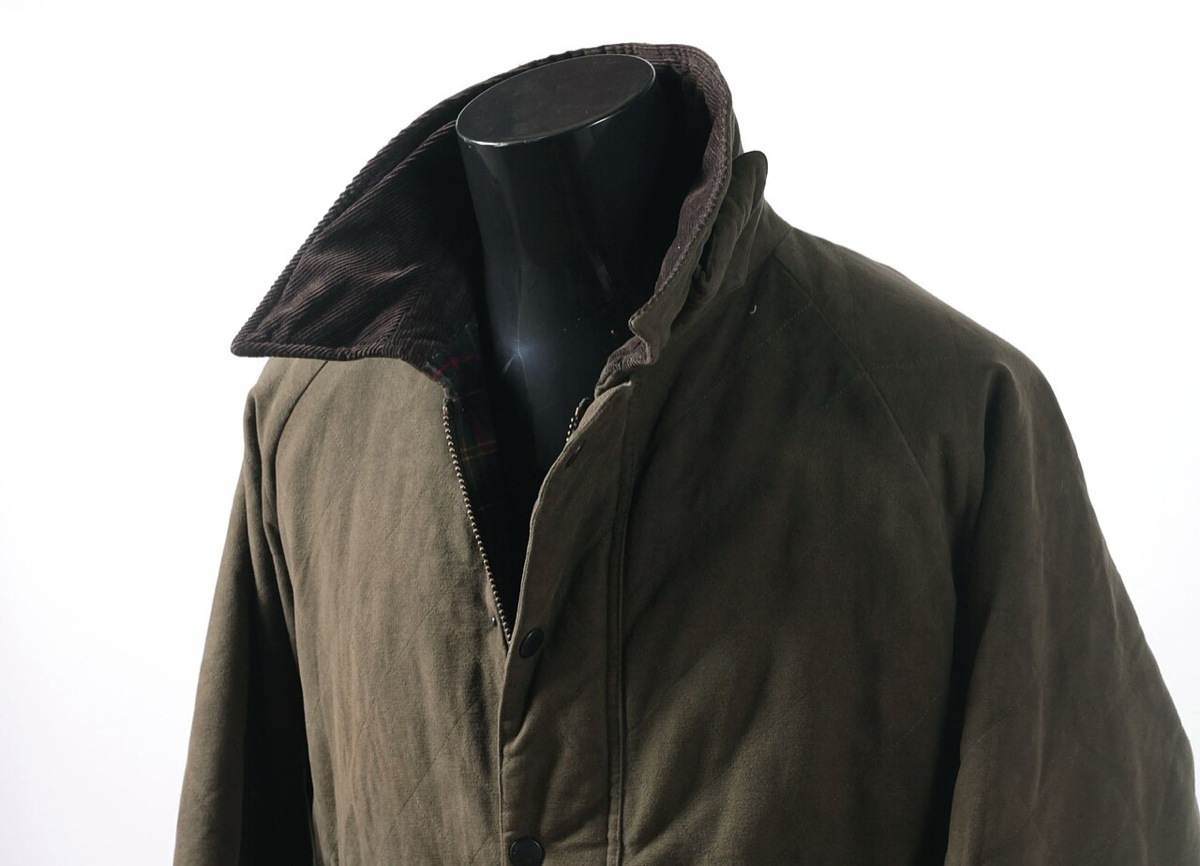
Nineteenth-century France put its laborers in a boxy indigo work jacket, the bleu de travail, and the garment gave us a phrase we still use: blue-collar. Patterns that old don’t come back. They get renamed.
The renaming is having its moment, and you’re the mark. E! called the barn jacket “back and better than ever” for fall 2026 in an August 3 roundup. Over in the UK, Hello magazine’s Leanne Bayley crowned it the midlife purchase of the moment. The Zoe Report’s Erin Lukas had already named it the runaway hit of last fall, tracing it to Prada and Loewe’s spring 2024 runways. Two consecutive seasons as the it coat is practically tenure. And you, specifically, the person with an unnamed boxy jacket on the hallway hook, a hand-me-down field coat, a “shacket” from a few years back, are who all this coverage is priced for: anywhere from $28 at Old Navy to $5,500 at Miu Miu for the same silhouette.
Before your card comes out, watch the sellers try to define the word. Inside that same August roundup sits a Free People piece named, on its own tag, the Lemon Canvas Chore Jacket. Lukas hedges too: “barn jackets (sometimes called chore coats).” The spec sheets contradict each other outright. The taxonomy at the menswear Substack Fewer & Better says barn jackets are unwaxed and usually unlined, while Wikipedia and most of the UK coverage say the opposite, weatherproof finish and flannel lining. When the definition changes depending on who’s writing it, what’s being sold is a noun with good lighting.
What is the difference between a barn jacket and a chore coat?
A barn jacket carries a contrast corduroy or leather collar and a flannel or plaid lining, while a chore coat keeps a plain collar in the same fabric as the body, cut in lighter drill or denim, usually with no lining at all. The family tree behind that split is short. The chore coat came first, in France. American workwear borrowed the pattern (Carhartt’s 1917 version added triple-stitched seams), and on the way to the barn it picked up the two things French laborers never gave it, a contrast collar and a warm lining. Britain waxed it. That’s the whole genealogy, and every branch of it is checkable on the jacket you already have.
| The label | Born | The checkable difference | It may be in your closet as |
|---|---|---|---|
| Chore coat | France, 1800s | Plain matching collar, lighter drill or denim, unlined | The “shacket,” the navy J.Crew from a few years back |
| Barn jacket | US, early 1900s | Contrast corduroy or leather collar, flannel or plaid lining | A “field coat,” a hand-me-down Ralph Lauren |
| Waxed jacket | UK, country-coded | Waxed cotton that sheens where it creases, corduroy collar again | The Barbour someone convinced you to buy |
| Field jacket (M-65) | US Army, 1965 | Epaulets, four squared pockets, drawstring waist | The olive army-surplus one |
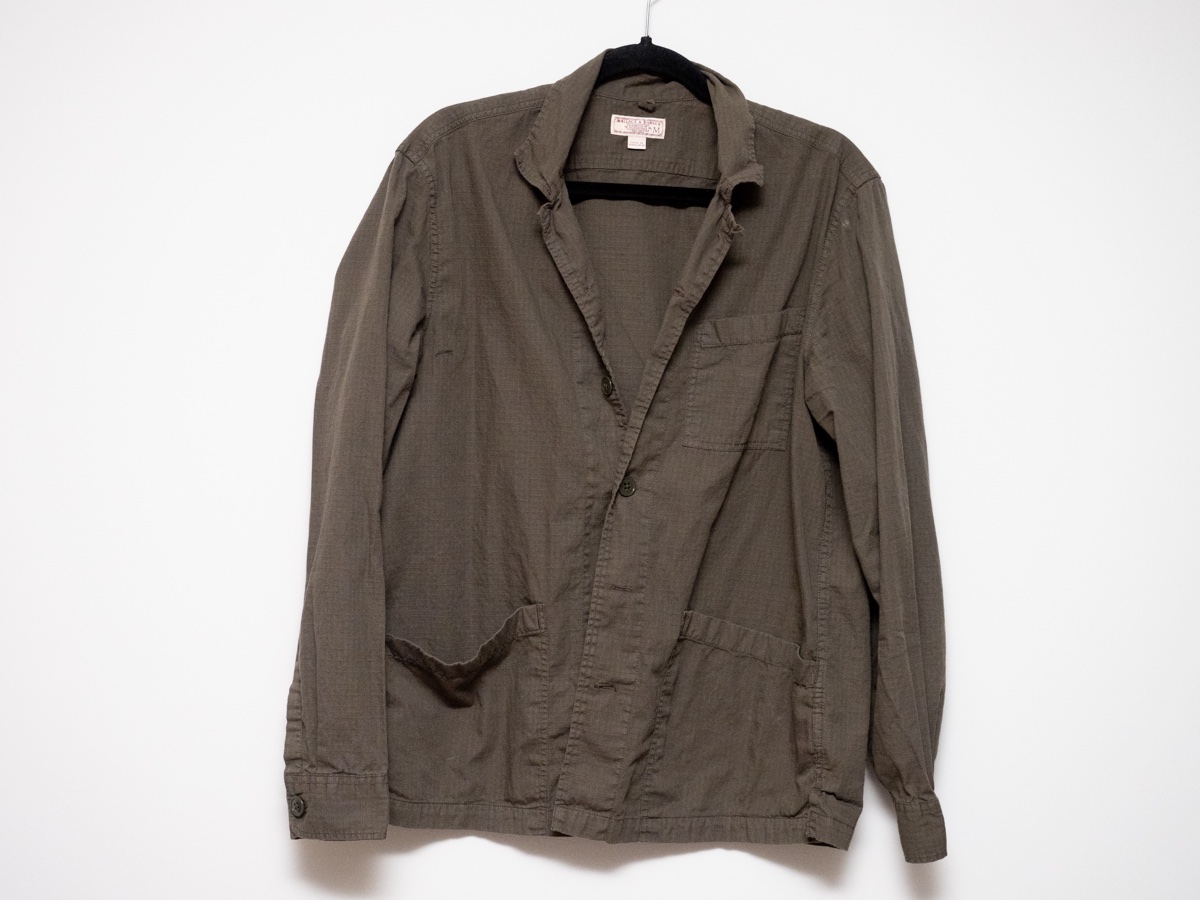
The collar, a hundred years on
The contrast collar is the one feature all four sources agree on, the single spec that survives every contradictory definition. Everything else about this jacket, the boxy cut, the hip length, the snap front, the pockets you could smuggle produce in, hasn’t changed since Carhartt stitched it. So the entire audit takes one look. Corduroy on canvas, leather on cotton, anything that doesn’t match the body: whatever hangs by your door already fills the slot this trend is hiring for, the same way half of the 2016 revival turned out to be in your drawer.
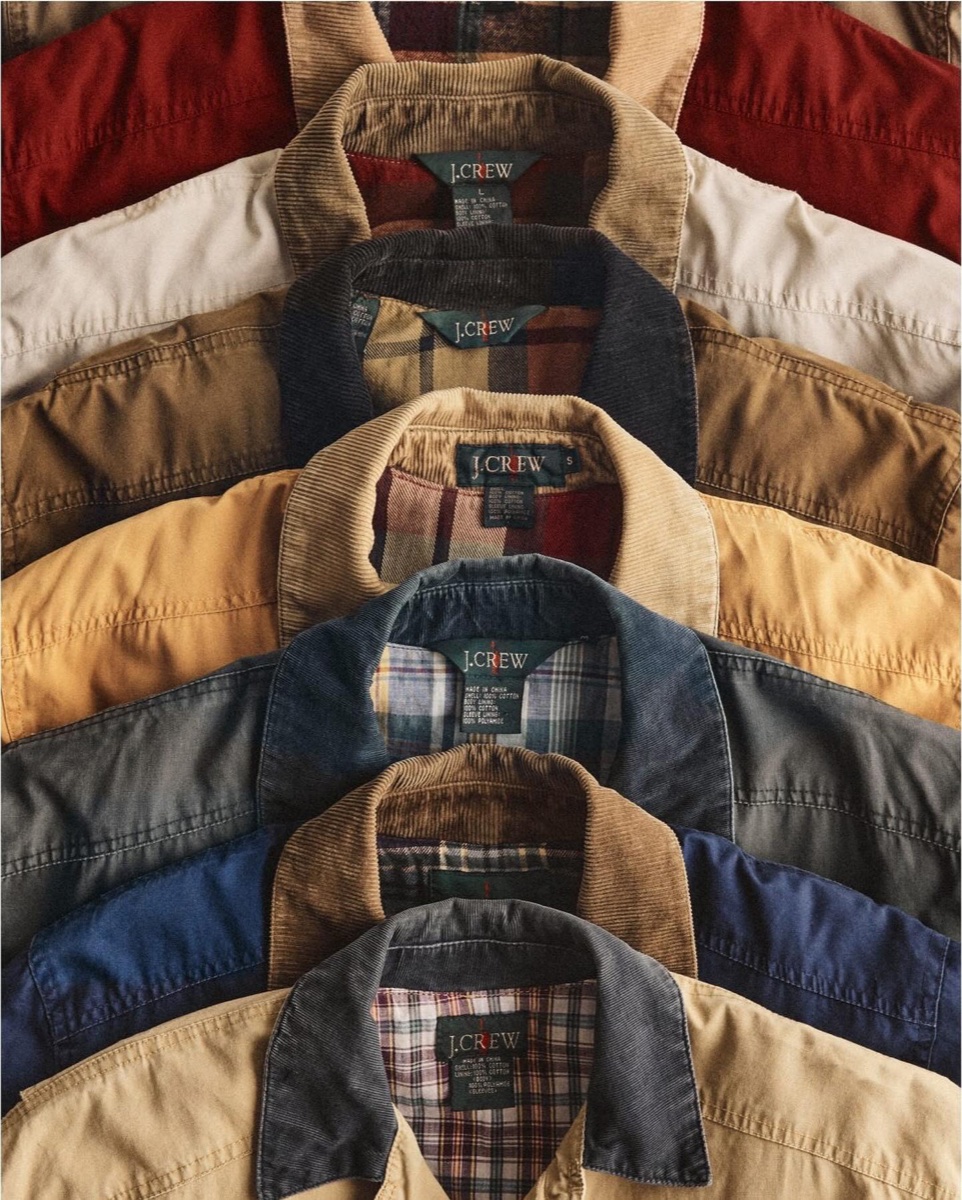

And if your closet check comes up honestly empty, fine, but read the tags before the names, because this category doesn’t hold price even before the season starts. We charted when fall discounts actually land, and outerwear rarely rewards the early. The J.Crew canvas barn jacket in that August roundup listed at $278. First week of August: $67.