Does Leaving Items in Your Cart Get You a Discount? The Coupon Is on a Timer, No Trick Required
Retailers publish the schedule for chasing you after you walk away. Read next to the manuals their email software hands them, the famous 65 percent turns out to belong to meal kits, and a fall coat tops out around 20.
 ·
· 
The version of this trick that makes the rounds every fall works like a staring contest. You fill a cart with the coat you’ve been circling, walk it right up to the edge of checkout, and leave. Somewhere behind the storefront, the legend goes, a merchant flinches. He watches you drift off, holds out as long as his margins can bear, then comes jogging down the digital sidewalk waving a coupon: fine, you win, take 20 percent. The appeal is obvious. For once, the pressure runs the other way.
Nobody behind the storefront is watching you leave. What’s watching is a timer that started when you stopped clicking, and the coupon it may eventually release was written, priced and scheduled long before you opened the tab. The chase is a mail-merge template. The flinch is a send delay.
Nobody on this desk baited a cart to test this, and no retailer was probed. Everything below comes from the manuals sellers write for each other, read on September 21, 2026, plus one study that spent 2025 timing the chase across 120 retailers.
What actually happens when you walk away from a cart?
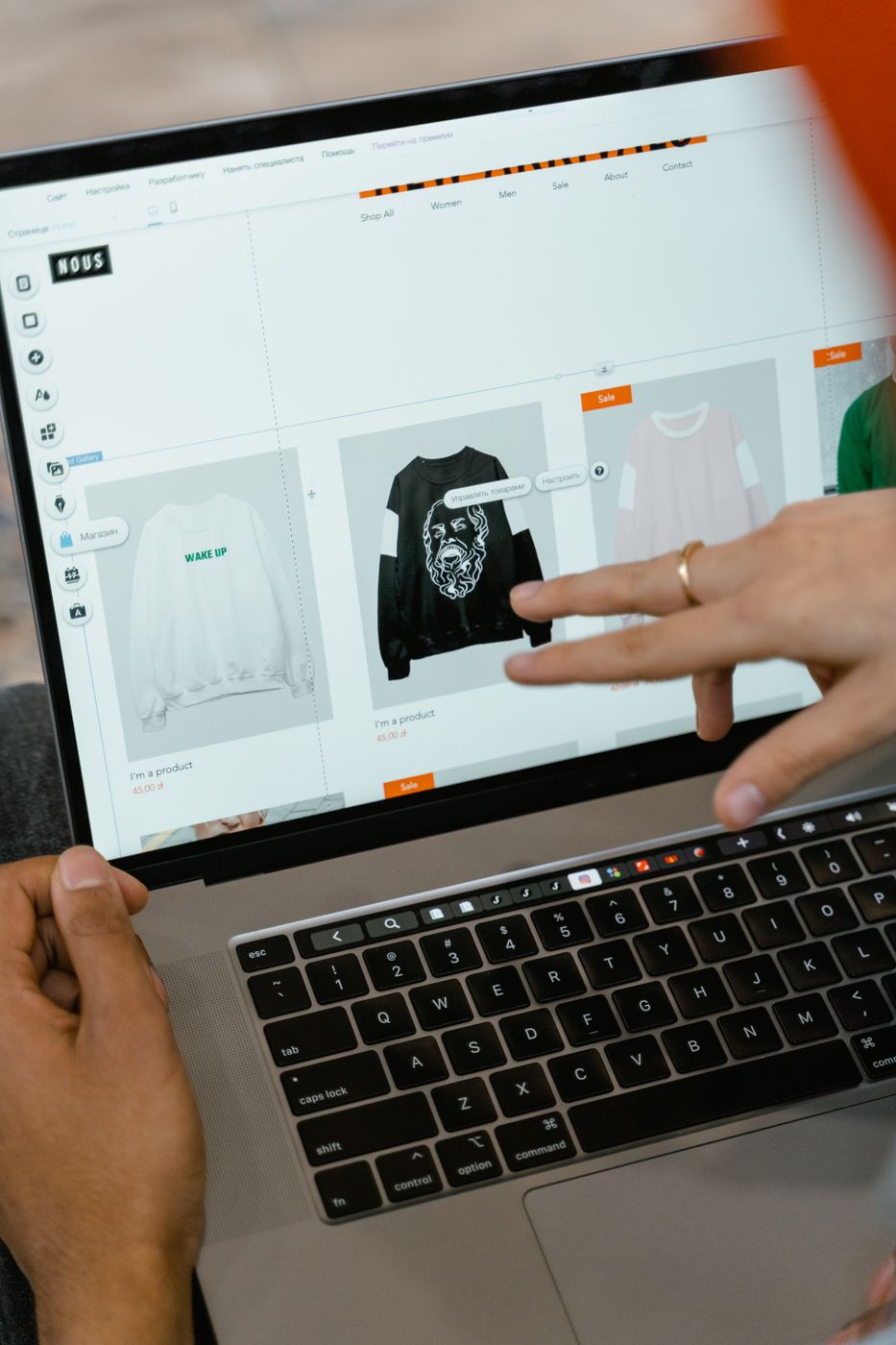
A cart turns into an “abandoned checkout” after roughly ten minutes of inactivity, in the words of Shopify’s merchant manual, and it only counts if the store already knows how to reach you. Call that the ten-minute rule. The manual defines the event as a checkout left incomplete “even though the customer has provided their email information,” and that clause carries the whole economics of the move. Stores don’t chase carts. They chase addresses. Type a phone number instead of an email and the same page is blunt: the message can’t be sent.
The scale explains the automation. Baymard Institute, which has been averaging abandonment studies since 2006, puts the mean across 50 of them at 70.22 percent of all carts. In its US survey, 42 percent of shoppers said they’d abandoned because they were “just browsing / not ready to buy.” Walking away isn’t a malfunction. It’s the default outcome of a cart, which is why no human is assigned to mourn yours, and why a queue of software does it instead.
How long is the wait, and what actually shows up?
The waiting schedule is public, because the sellers’ side prints it. Klaviyo, which sells exactly this automation to clothing brands, tells merchants in its own guide to send the first reminder two to four hours in and keep it bare. No offer. The discount is assigned to the second email, and the guide’s argument for building a series at all is that multiple emails bring “69% more orders” than one. So the hour-three message with no coupon in it is not a store failing to take your hint (we’ve checked our own inboxes against the diagram, and the fit is embarrassing). It’s rung one of a ladder, performing as drawn. The pause you’re tempted to read as suspense is a setting called a delay, and the playbook recommends it.
The category timings come from the other document worth naming: a Decodo tracking study, published this May, that followed about 1,500 products across 120 retailers in more than 40 countries through 2025. Its schedule reads like a train timetable.
| Category | First offer usually lands | Typical opening offer | Names in the study |
|---|---|---|---|
| Fast fashion | 4 to 12 hours | 10 to 15 percent, or free shipping | ASOS, H&M, Boohoo |
| Mid-market clothing | about 48 hours | around 20 percent | Levi’s, Madewell, Gap, Banana Republic |
| Beauty | about 24 hours | sample bundles, rarely a coupon | Sephora, Ulta, Glossier |
| Furniture and home | 24 to 48 hours, deeper at 7 to 14 days | 10 percent plus free delivery | Wayfair, West Elm, IKEA |
| Electronics | often never | price-drop alerts instead | Best Buy, Newegg |
| Meal kits and subscriptions | within hours | 40 to 65 percent off a first box | HelloFresh, Blue Apron |
| Luxury | never | nothing | Net-a-Porter, Prada |
Only after the timetable does the news make sense. The number that traveled out of that study into this summer’s consumer coverage, Fortune ran it in July under a revenge-on-the-bots headline and a UK trade title picked it up in June, was “up to 65 percent.” Read the table again. The 65 belongs to HelloFresh and Blue Apron first boxes, an acquisition price war with nothing to say about your coat. In clothing, the tracked ceiling is roughly 20 percent, near hour 48, from the mid-market names above. Beauty mostly won’t coupon at all. Luxury sends nothing.
Who never gets the email?
Guests who never type an address get nothing, and the ten-minute rule’s own page lists the other ways the message dies before sending. If you complete the purchase first, no email. If the payment errored, if the store can’t ship to your address, if everything in the cart went out of stock, if the checkout got flagged as high risk, no email. Read that list backwards and a profile appears: the only person who reliably gets chased is a deliverable, in-stock, low-risk shopper who handed over contact details and then left. That’s the entry fee. You aren’t gaming the machine anonymously. You’re enrolling in it, one deliverable address at a time.
Which is also why the standard privacy advice cuts against the standard savings advice. Gabriele Vitke, the Decodo product marketing lead who fronted the study, told Fortune that shoppers hunting lower first prices should browse logged out: “Different device, different account.” Do that, though, and the cart email can’t find you. Pick one game.
Should you abandon carts on purpose?
Honestly, it often works, and it costs nothing but patience to try. A one-in-five discount for typing an email and closing a tab is a better hourly rate than most couponing, and the study’s own lead won’t oversell it either way. “You can both win and lose. It really depends on the category you’re shopping in,” Vitke told Fortune. That’s the fair version.
The lose column is documented too. The item can sell out while you perform indifference, and fast-fashion shelves don’t hold still (the same tracker logged Zara at 4.11 price changes a week). The coupon that does arrive is still a coupon, with the usual exclusions fine print attached, and about 20 percent is not a rare number in clothing: the same mid-market brands run seasonal markdown calendars that go deeper, on dates you can read in advance. And then there’s the sentence the playbook says out loud. Klaviyo warns its merchants that “offering discounts to repeat cart abandoners can work against you by training them to wait for a discount before buying.” Call it the training clause. It’s written as advice to the store, and it means the software can tell the difference between a shopper who wandered off and one who keeps performing the wander. The same flow that schedules your coupon can filter you out of it, the way bounce-back coupons quietly define who was never meant to win.
So if you’re going to run the play, run it the way the documents describe. Type the email, get as far as the shipping page, close the tab, and give it two days. Skip the hour-three reminder. The better rung is scheduled under it. Check the table first, because in beauty you’re waiting for a sample sachet and in luxury you’re waiting for nothing.
Or skip the choreography altogether. The email was never a prize for cleverness. It’s a receipt for being reachable, priced by category, sent on a timer, and cancellable the moment the timer’s owner decides you’ve learned to expect it. Let the cart die, read the markdown calendar instead, and spend the two days not thinking about the coat. The one move no recovery flow has an answer for is a shopper who was, in Baymard’s phrasing, just browsing.