Is October Prime Day Worth It for Clothes? The Same Sweater, Seven Weeks Apart
Amazon printed its October dates this week: 48 hours, members only, fashion on the category list. Somewhere in a cart there's a sweater waiting on the countdown. Before you hold it for October 6, read what the discount meter said the last time this event ran, and what the same meter said seven weeks later.
 ·
· 
Amazon put dates on its fall sale this week. Prime Big Deal Days returns October 6 and 7, per the company’s announcement page, promising “48 hours of Prime member-exclusive deals” across “more than 35 categories,” and fashion made the named list this year, with UGG, Princess Polly and Barefoot Dreams called out as participating brands. Target hasn’t printed fall 2026 dates anywhere this desk could read, but its 2025 edition wrapped a full Circle Week around the same window, so expect company. The first week of October is now an official holiday on the retail calendar, and it wants your wardrobe on the guest list.
So give the event something to price. One sweater. The one that’s been parked in a cart since the nights went cold, and it carries no price tag in this piece because the price is the entire question. Nothing about the sweater changes below. The only variable is the date you tap buy.

When is October Prime Day 2026, and who gets in?
Prime Big Deal Days runs October 6 and 7, 2026, starting at 12:01 a.m. Pacific, and everything behind the gate requires a Prime membership at $14.99 per month or $139 per year, with a 30-day free trial for the uncommitted. Inside, the event page describes limited-time offers dropping three times a day, at midnight, 8 a.m. and 1 p.m. Pacific, plus Alexa deal alerts if you want a robot narrating your restraint. Amazon’s own examples lean household: “up to 75% off select grocery items,” Halloween, fall entertaining.
A note on method before the numbers, because the numbers are the whole argument. I read the announcement pages, the analytics releases and one federal pricing guide at the desk on September 15, 2026, and I joined nothing and bought nothing, which leaves the documents to do all the talking. Amazon’s store pages don’t admit automated readers like this desk (the robots file closes that door, as is Amazon’s right), so every Amazon claim here comes from the company’s public press site, and every measurement comes from third parties with their names attached.
Now the good news, filed the way the consumer labs file it. The event is real money for the part of your list that was written before the announcement: the socks layer, the plain-tee layer, the UGG slippers you replace when the heels wear through. If you already pay for Prime, that layer just gets cheaper for two days, and there’s nothing to outsmart. Our sweater isn’t so lucky, and the reason is a number Amazon doesn’t publish. A third party does.
How deep do Prime Day clothing deals actually go?
Adobe Analytics measured the last October event, run October 7 and 8, 2025, at $9.1 billion in U.S. online spending across two days, with discounts that “peaked at 18% off listed price”. That 18 covers every category together, phones and paper towels included, and it reads across U.S. retailers broadly rather than one storefront. Adobe didn’t print an apparel-only October number. It prints the apparel needle for the season instead, and that’s where our sweater’s problem starts.
In its January wrap of the 2025 season, the same firm put November 1 through December 31 discounts at their peaks by category: electronics at 30.9 percent, and “apparel at 25.1% (vs. 23.2%)” the year before. Same firm. Same yardstick, percent off listed price. Two calendar points, roughly seven weeks apart, and the clothing needle sits meaningfully higher at the second one. Adobe’s season forecast had already called the destination by name: “Cyber Monday (Dec. 1) will be the best day to shop for electronics, apparel, and computers.”
The closest thing to our sweater that got a printed October percentage last year wasn’t at the countdown event at all. Target’s 2025 Circle Week, October 5 through 11, printed “30% off adult denim, 30% off women’s sweatshirts and sweatpants” with no membership fee attached. Free club, deeper printed line. Worth holding next to the $14.99 gate.
| The date | Who gets in | What fashion gets on paper | What the meter read |
|---|---|---|---|
| Prime Big Deal Days, Oct. 6 to 7, 2026 | Prime members, $14.99/month | “fashion” among “more than 35 categories”; UGG, Princess Polly, Barefoot Dreams named | 2025 edition: discounts peaked at 18% off listed price, all categories (Adobe) |
| Target Circle Week, Oct. 5 to 11, 2025 edition | Circle members, free to join | 30% off adult denim, 30% off women’s sweatshirts and sweatpants | No independent apparel meter printed |
| Holiday window, Nov. 1 to Dec. 31, 2025 | Anyone with a browser | Every retailer at once, deepest days in Cyber Week | Apparel discounts peaked at 25.1% off listed price (Adobe) |

One more thing the percent sign is quiet about. Every number above is measured against listed price, and list prices have a federal file. The FTC’s Guides Against Deceptive Pricing, in print since 1967, open with the belief problem: “Many members of the purchasing public believe that a manufacturer’s list price, or suggested retail price, is the price at which an article is generally sold.” The former-price section describes the failure mode, the case “where an artificial, inflated price was established for the purpose of enabling the subsequent offer of a large reduction,” in which “the purchaser is not receiving the unusual value he expects.” None of that says any tag at any store this October is fictitious, and this piece doesn’t claim it. It says the ruler every discount headline uses has a soft spot old enough to collect Social Security, which matters when the ruler is the headline.
Should you wait for Prime Day to buy fall clothes?
Holding a fall purchase for October 6 costs you three weeks of wearing it, and holding it for Black Friday, which lands November 27 this year, costs you ten. That’s the trade no discount tracker meters. A sweater bought this week works through all of October. The identical sweater bought in Cyber Week arrives with its season half spent, even if it arrives 25.1 percent lighter on the card. We ran that trade for the whole closet in buy fall clothes now or wait, and the markdown calendars for sweaters and winter coats both point the same direction: the deepest cuts arrive after the wearing season peaks, on schedule, every year.
Cheapest and most useful are different dates.
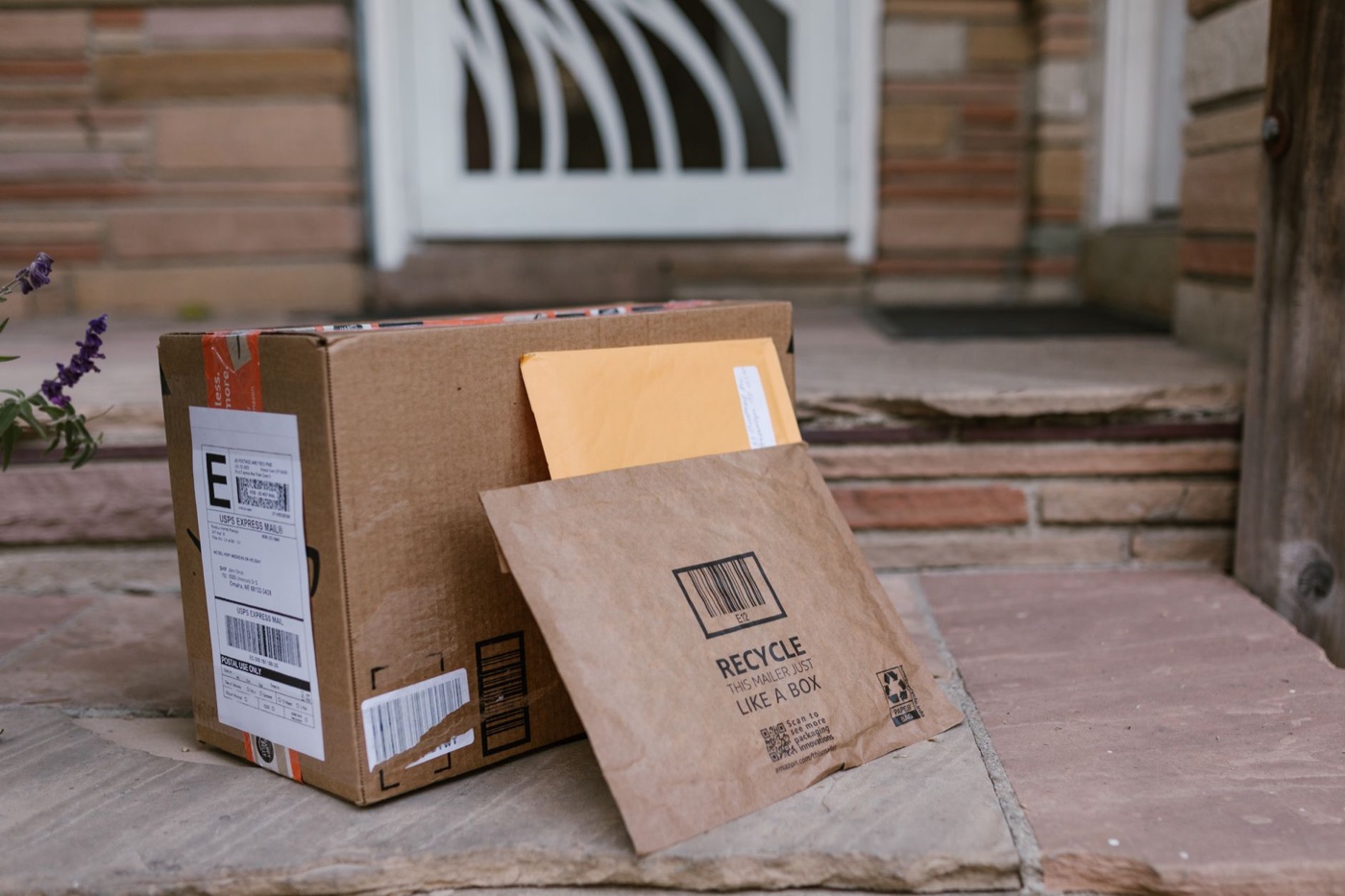
Here is what this desk can’t see, so you know the edges of the map. Adobe hadn’t printed a 2026 October forecast in anything I found by September 15. The 18 percent is not an Amazon-only reading, no one metered apparel alone inside the October event, and if some retailer cuts sweaters 40 percent on October 6, nothing in this piece saw it coming. The last fully printed cycle just ran the other way, and a printed cycle beats a countdown clock’s implication.

So, the cart. Keep your list if it predates the announcement, let October 6 pay you for what was already on it, and don’t hold the sweater for a clock when the firm metering the clock printed a deeper apparel number seven weeks out. Or ignore the whole calendar. The sweaters already folded in your drawer are running a discount no tracker can match, and they ship tonight.