Why Is TJ Maxx So Cheap? The One Sentence TJX Didn't File Until 2025
TJX reports second-quarter earnings on the morning of August 19, so I spent the day before reading what it has told the SEC since 2005: where the racks come from, how the list of sources got reordered, and the small admission that showed up in the annual report only last year. Plus what Compare At means, per the tag's own author.
 · · Updated August 23, 2026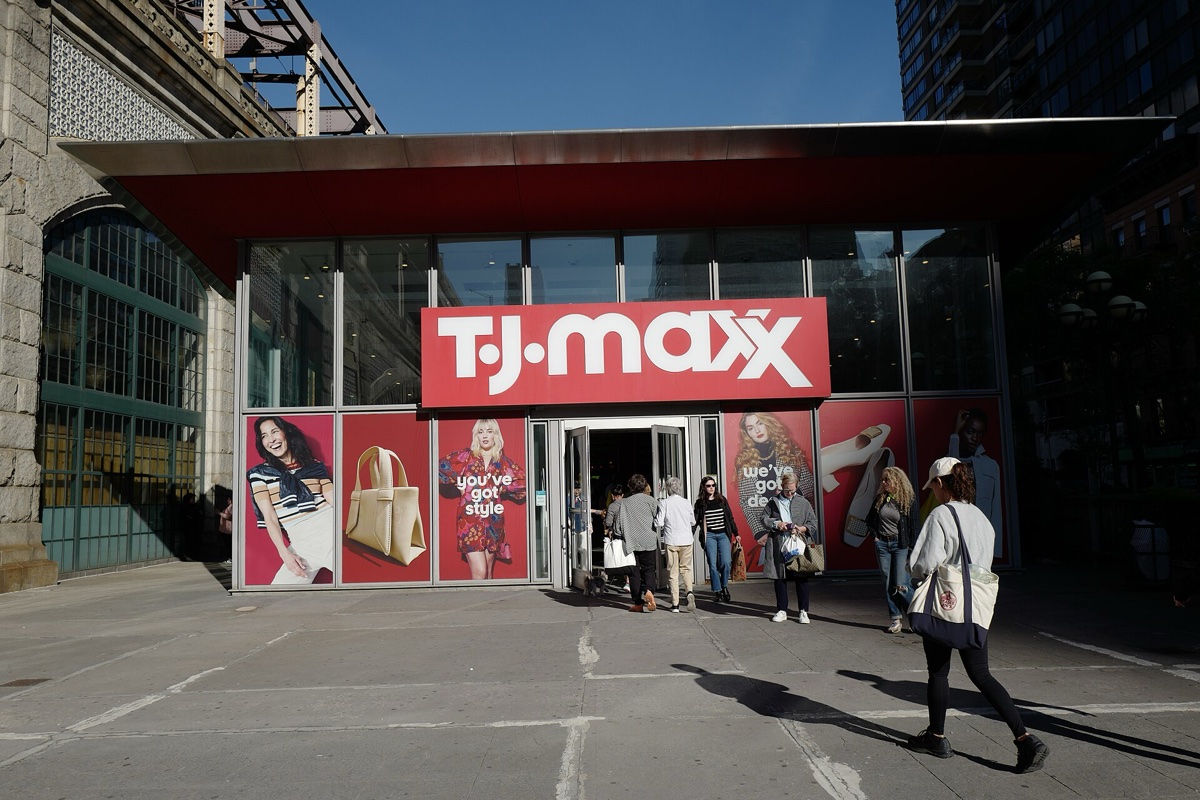
On August 19, before the market opens, TJX reports its second quarter, and the boilerplate at the bottom will carry the sentence it has been publishing in one form or another for 21 years: prices “generally 20% to 60% below” what full-price stores charge. The 2005 annual report says it. The one filed this March, covering the year to January 31, 2026, says it too, now with the words “on comparable merchandise” tacked on the end. That’s the answer to “why is TJ Maxx so cheap” as the company would like you to hear it, and it holds for about ten seconds, until you ask what “comparable” is doing in there.
I haven’t shopped a TJ Maxx for this piece. I read the filings, which is a different sport, and slower.
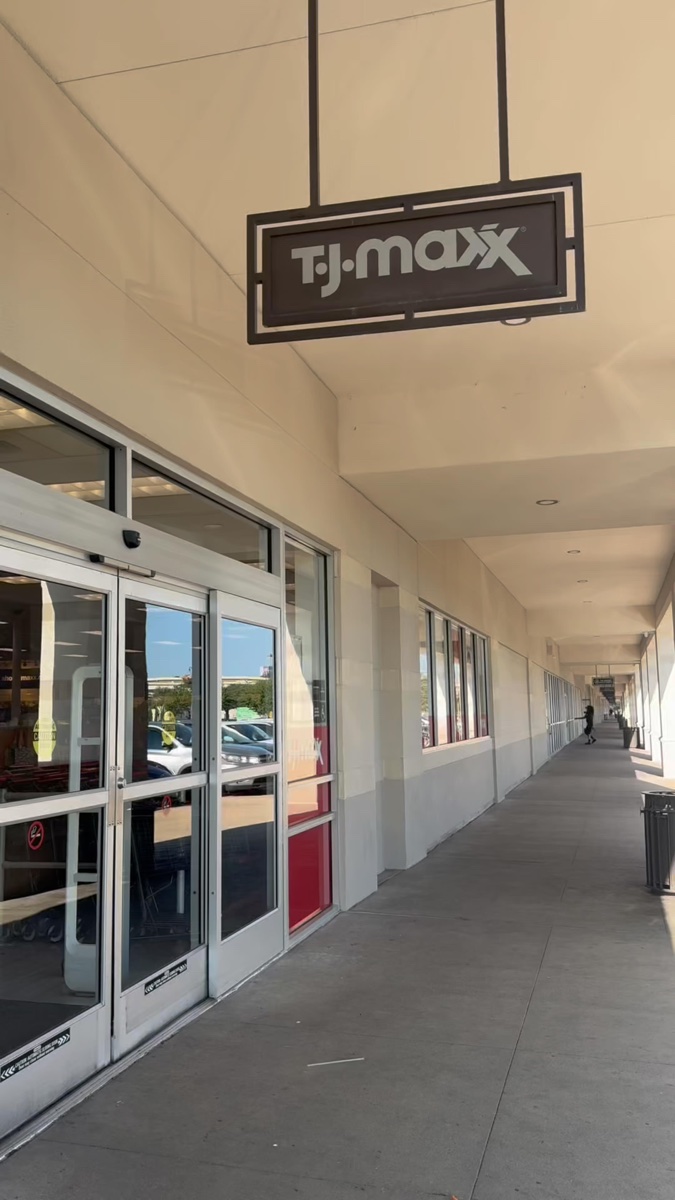
Start with the honest part, because there’s a lot of it. TJX runs 5,214 stores, 1,348 of them TJ Maxx, and keeps over 1,400 buyers who “generally remain in the marketplace for goods throughout the year,” shopping some 21,000 vendors. The company’s own word for the model is opportunistic. When a brand overproduces or a department store cancels an order, that inventory has to go somewhere fast, and TJX is where it goes. In August 2022, with the industry drowning in late stock, CEO Ernie Herrman told analysts about “extraordinary off-price buying opportunities in the marketplace,” and CNN’s Nathaniel Meyersohn wrote the plain explainer of how that flood reaches the racks. None of that is a trick. A $98 sweater someone else couldn’t sell is still a $98 sweater.
Where does TJ Maxx’s merchandise actually come from?
TJX’s annual reports name four kinds of deal behind the racks: closeouts, special production direct from brands and factories, order cancellations, and manufacturer overruns. Closeouts aren’t the whole list, and the order of that list has moved. The report filed in 2015 listed “order cancellations, manufacturer overruns, closeouts and special production direct from brands and factories.” Special production, last of four. By the report filed in 2021 the list had been reshuffled: closeouts first, “special production direct from brands and factories” second, cancellations and overruns third, and it has read that way since. Special production, as far as I can tell, is the polite name for a factory running a batch that was never destined for the brand’s own store. It’s also the item TikTok swears you can spot because the tag number ends in 1, a theory Kate Franke tested for Good Housekeeping last October and could neither confirm nor kill. Unproven, then. But not invented.
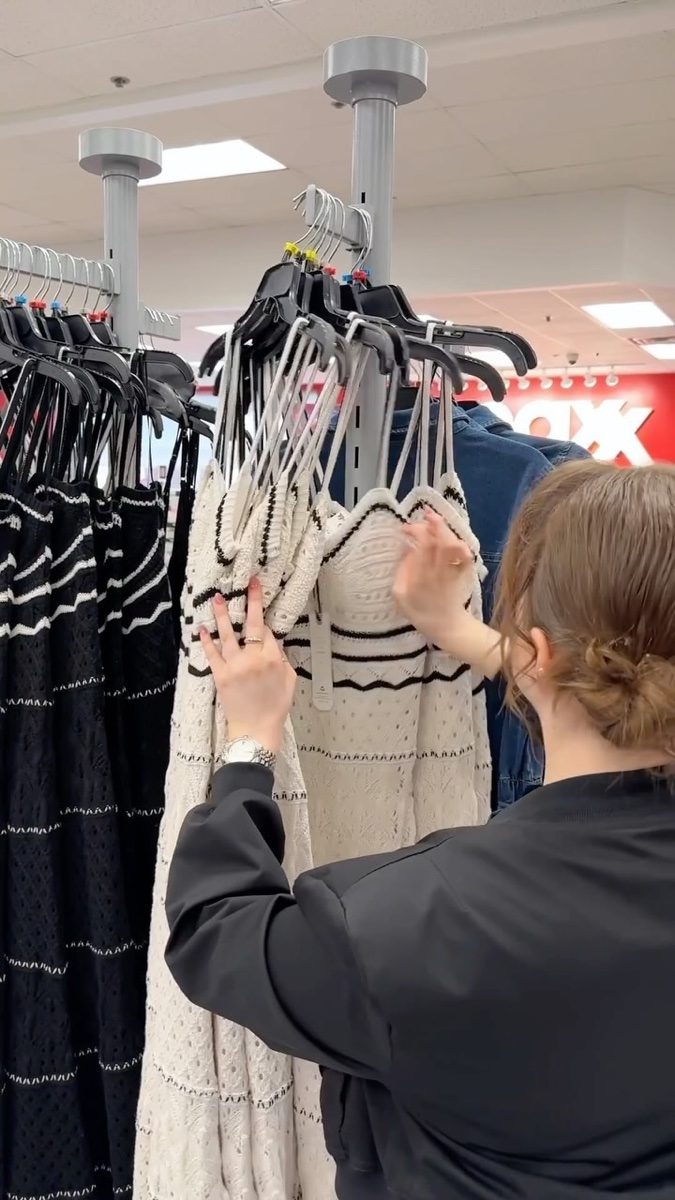
Then, in the annual report filed in April 2025, a new sentence appeared right after the lines about in-house and licensed brands and goods TJX develops itself: “Collectively, these represent a small percentage of our product/merchandise mix.” I checked. It isn’t in 2015, 2017, 2018, 2019, 2021, 2023 or 2024. It shows up in 2025 and again this year. Maybe that’s a company finally putting a size on the store-brand question, or maybe it’s one that felt, around the time TikTok started decoding its price tags, that it needed to. I don’t know which. I do know what the sentence covers: house labels and the goods TJX develops itself get the “small percentage.” Special production for a brand name, the 1-tag thing, isn’t in that sentence at all.
What does “Compare At” mean on a TJ Maxx tag?
A Compare At price is TJ Maxx’s own estimate of what a comparable item sells for elsewhere, not a price the item ever carried in a TJ Maxx. The company’s comparison-pricing page calls those numbers “references to regular retail prices of the same or similar items at full-price department or specialty retailers,” and adds that “where identical items are not available, we compare to products of a similar type, quality and style.” Similar. It’s the Nordstrom Rack footnote with the hatches reordered, and like Rack’s it has been to court. In July 2015 Staci Chester and Daniel Friedman sued in federal court in California, back when the definition was blunter still, “our buying staff’s estimate of the regular, retail price at which a comparable item … may have been sold.” TJX told CBS that “transparency is important to us,” then settled, roughly $8.5 million in store credit for California shoppers who’d bought a Compare At item between July 2011 and December 2017, with, as usual, no admission of anything.
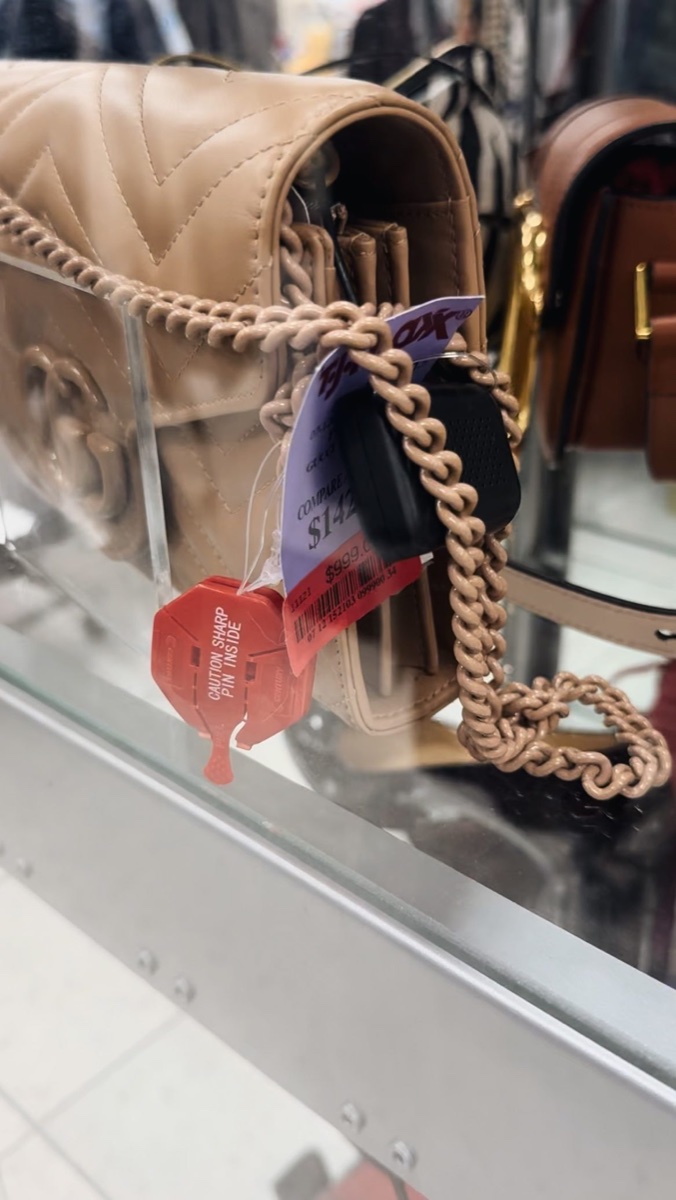
So, is TJ Maxx good quality. Depends which of those three sources you’re holding, and the Compare At line can’t tell you, because that number was written by the seller about a similar item, somewhere, at some point. The brand’s own website can, in about a minute on your phone. Search the style name on the tag. If it’s there at full price, you’ve got a closeout or an overrun, and the discount is real. If the brand has never heard of it, you’re holding special production, and the Compare At was written about its cousin. Buy it or don’t, but buy it at the bottom number, and let TJX explain the top one to the analysts on the 19th.