Are Corduroy Pants Warmer Than Jeans | Robert Kaufman's Spec Sheets Weigh In
Corduroy is the loudest pants trend of fall 2026, and most people trading their denim for it assume the swap buys warmth. Both industries already print the number that settles this, ounces per square yard. We lined up one converter's corduroy sheets against one jeans maker's denim range and let the scale talk.
 ·
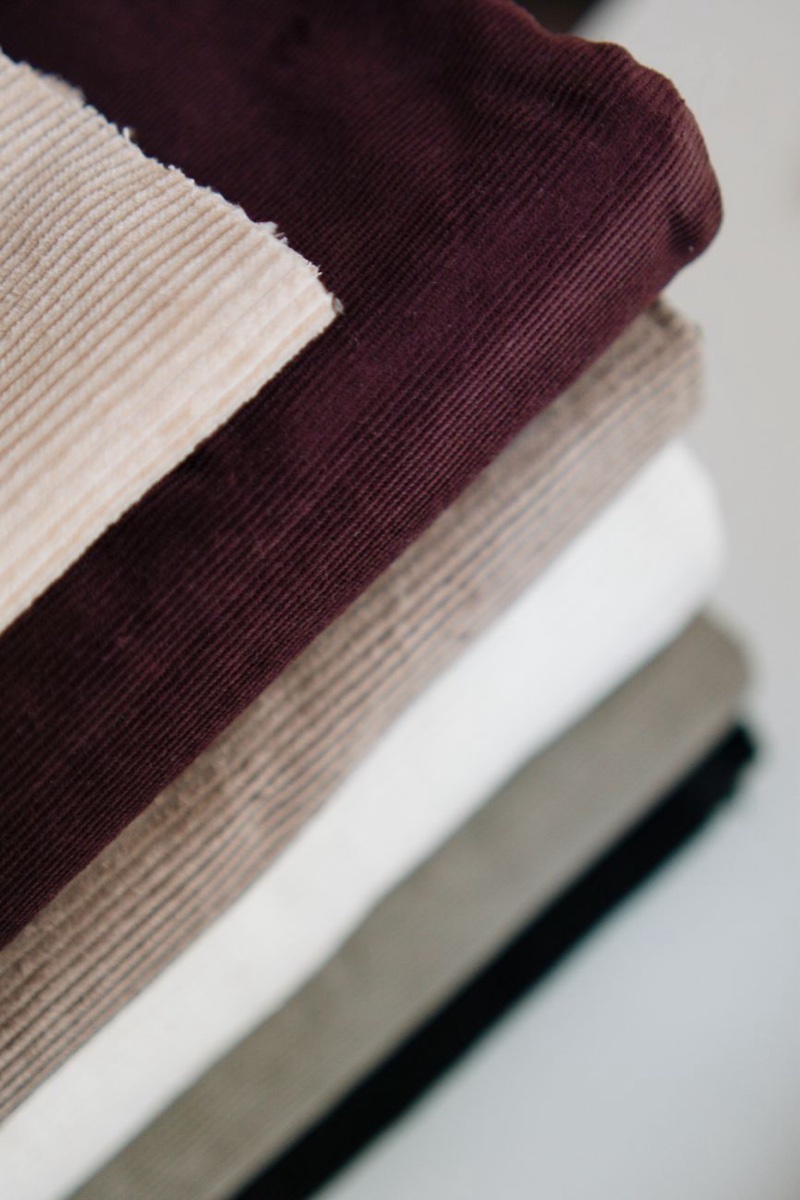
4.46 is a number you will not find on any corduroy rack this month. It sits on a spec sheet at Robert Kaufman, the Los Angeles fabric converter, where it describes their 21-wale needlecord: 4.46 ounces of cotton per square yard. That’s shirt territory. And a lot of the fine-ribbed trousers being sold this season as your jeans’ winter replacement are cut from cloth in exactly that range.
Corduroy pants are fall 2026’s most repeated purchase instruction. Who What Wear’s shopping desk put corduroy and chocolate brown jeans at the top of the season, with Gigi Hadid and Emily Ratajkowski wearing the proof, and the same chorus runs through most of the fall 2026 trend lists we’ve been cross-referencing since August. Underneath the styling language sits an unexamined assumption, and it’s doing a lot of the purchase justification: cords are what jeans become when the weather turns. Thicker. Warmer. Wintrier.
You can argue about that in adjectives forever, which is what the forums answering this query currently do. Or you can shrink the whole debate to the one object both industries already print, the weight line, and read it. (We did the reading so you don’t have to open eight spec sheets.)
How heavy are corduroy pants compared to jeans?
Corduroy runs from 4.46 to 8.25 ounces per square yard across the three corduroy qualities Robert Kaufman lists, while Todd Shelton, a New Jersey maker that prints a weight on every pair of jeans it sells, stocks denim at 11, 12 and 13 ounces. Those two ranges don’t even touch. The garment trade closes the gap a little: Taylor Stitch printed “9-oz” on the archived page for its indigo corduroy camp pant, and Gustin sells a 12-ounce Japanese Bedford cord as a $89 five-pocket, though a Bedford cord is woven with its ribs flat rather than cut, so it’s corduroy’s denser cousin rather than the thing itself.
| Cloth | Where the number is printed | Weight | Converted |
|---|---|---|---|
| 21-wale needlecord | Robert Kaufman spec sheet | 4.46 oz/sq yd | ~151 gsm |
| 14-wale corduroy | Robert Kaufman spec sheet | 8.1 oz/sq yd | ~275 gsm |
| 8-wale corduroy | Robert Kaufman spec sheet | 8.25 oz/sq yd | ~280 gsm |
| Corduroy camp pant | Taylor Stitch product page | 9 oz | ~305 gsm |
| Bedford cord five-pocket | Gustin product page | 12 oz | ~407 gsm |
| “Lightweight 11” selvedge | Todd Shelton product page | 11 oz | ~373 gsm |
| “Classic 12” denim | Todd Shelton product page | 12 oz | ~407 gsm |
| “Original 13” selvedge | Todd Shelton product page | 13 oz | ~441 gsm |
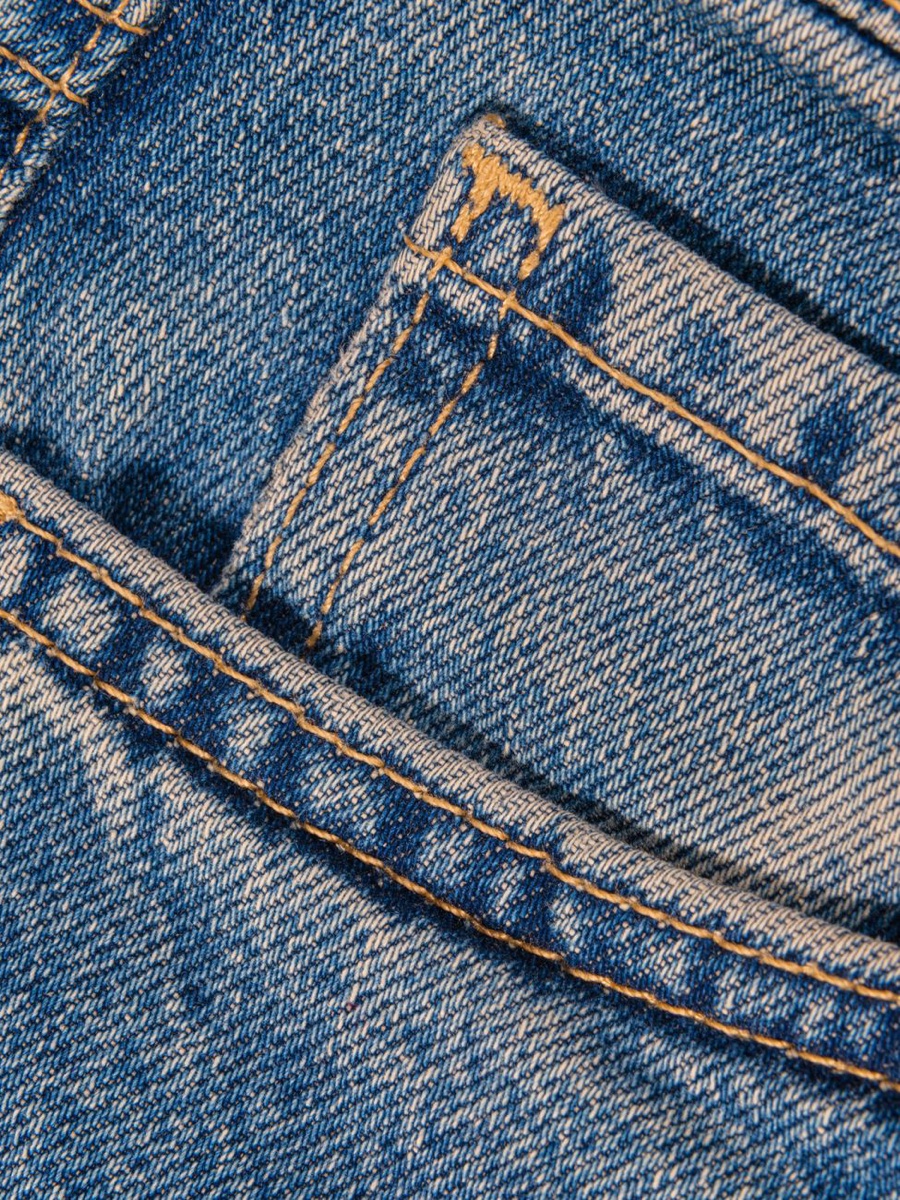
One conversion makes the columns comparable: an ounce per square yard is about 33.9 grams per square meter, so multiply by 34 and you’re close enough. Now read the table bottom-up. The denim that Todd Shelton names “Lightweight 11” outweighs the heaviest true corduroy on Kaufman’s books by nearly three ounces. The needlecord at the top carries barely a third of the cloth in a 13-ounce jean. Nothing about the word corduroy adds ounces, and the documents, not us, are making that call.
Does a higher wale count mean a warmer corduroy?
Wale count tells you how many ribs sit in an inch of cloth, and that’s all it tells you. Kaufman’s 8-wale weighs 8.25 ounces and its 14-wale weighs 8.1, a 0.15-ounce difference across what sounds like a doubling of chunkiness. The 21-wale drops to 4.46. So the spec that corduroy pages do volunteer, the one we unpacked in our 8-wale corduroy explainer, is a texture rating. Not an insulation rating.
The mills themselves get vague exactly where you’d want digits. Brisbane Moss, weaving corduroy in Lancashire since 1858, labels its 8-wale 3101X “Heavyweight” and its 10-wale 3124 “Mediumweight” on their public pages, adjectives doing a number’s job. If a heritage mill describes weight in grades while a quilting-trade converter publishes it to two decimal places, you can guess which document the brand copywriter had open.
Why does corduroy feel warmer than denim, then?
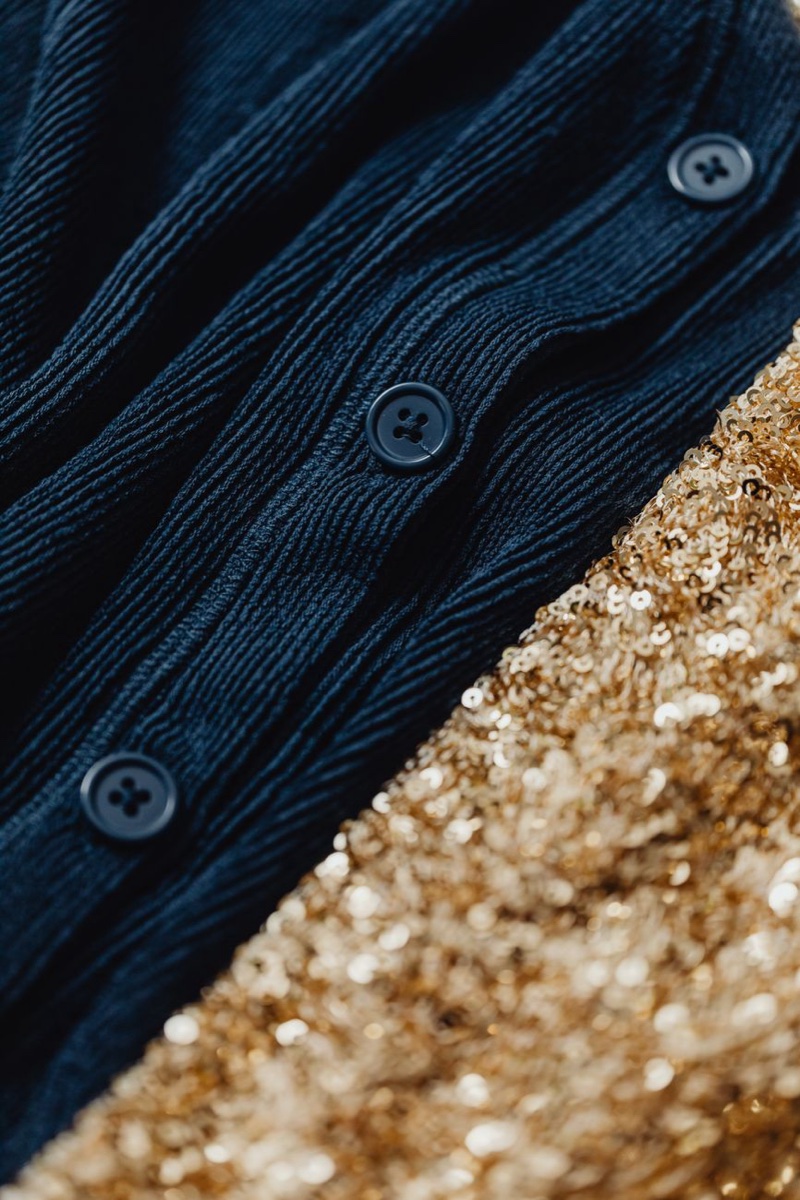
Corduroy is a cut-pile weave. Extra filling yarns are woven in, slashed open and brushed up into the velvet ribs you can flatten with a thumb, and that pile stands off the base cloth, holding a layer of still air against you and meeting your skin as fuzz instead of flat twill. Denim has no pile at all. So at equal weight, a cord will read warmer on contact and insulate a little better in still conditions, which is why your hand keeps telling you the trend is right even while the scale keeps telling you it’s oversold.
Here’s where we owe you the limits of this desk. Every number above was read off a mill’s or seller’s own page on October 6, 2026, from Seoul. We weighed nothing, wore nothing through a cold snap, and can’t tell you how either fabric behaves at a windy bus stop, where moving air strips a pile’s advantage faster than a spec sheet can describe it. Both cloths here are also 100% cotton, which holds its warmth only while it’s dry. And the warmth question has a blunt answer neither fabric wins: L.L.Bean’s flannel-lined Double L jeans page promises “heavyweight 100% cotton denim” lined “in the softest flannel for cold-weather comfort,” and a lining beats a pile without trying.
What should you check before buying corduroy pants for winter?
Run the product page through this before you pay the season’s trend tax.
- Hunt for a printed weight, in ounces or gsm, anywhere on the page. Sellers who have a good number tend to print it. (We multiply ounces by 34 to get gsm, and so can you.)
- Treat the wale count as a styling choice. An 8-wale and a 14-wale can be the same cloth by weight, and a needlecord can be half of either.
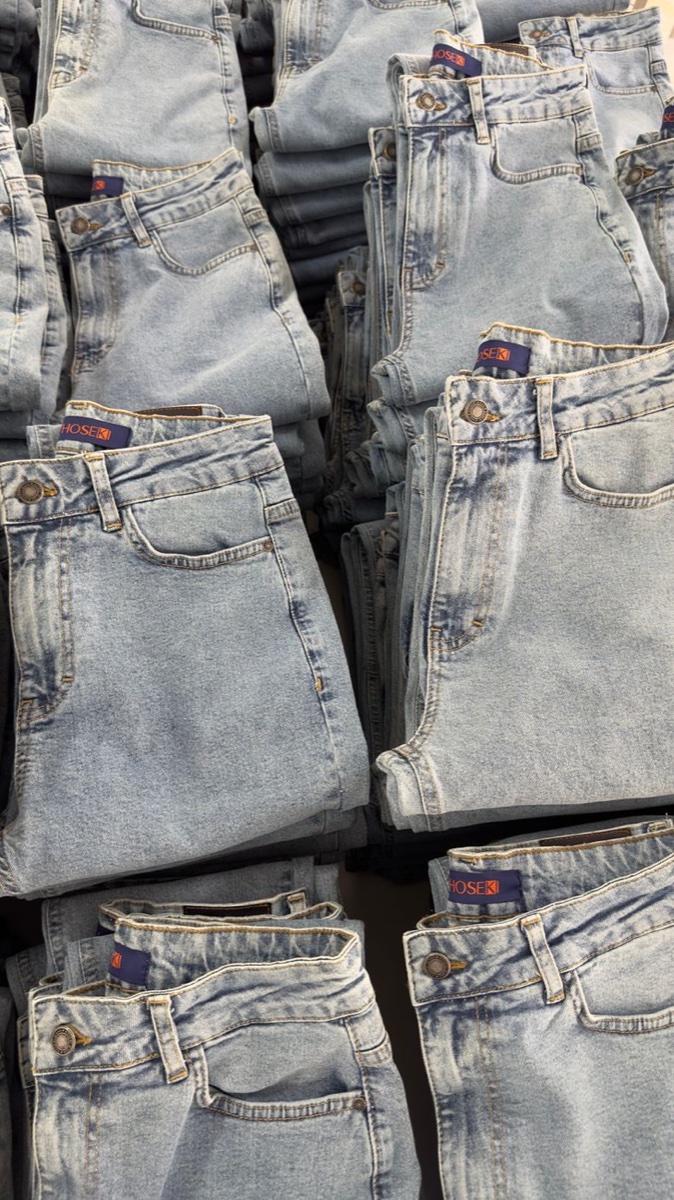
- Weigh the swap against what you already own. If your jeans are ordinary mid-weight denim, a fine-wale trouser is probably less cloth, not more.
- Give the pile credit for feel, not for February. Soft hand and still-air warmth are real, and they’re also exactly what a store’s heated fitting room is designed to flatter.
- If warmth is the actual job, search the page for the word “lined” and skip the fabric debate entirely.
Buy the ounce line when it’s printed. When it’s not, that silence is also information.