Best Time to Buy Boots? We Read 5,101 Listings Before the Season Opened
The calendar sites say February and March. One of them also says fall, a few scrolls later. So on Tuesday morning, September 8, we pulled the boot counts at the three retailers that would load for us, wrote down who was already discounting what, and noted the two chains that wouldn't show us their racks at all.
 ·
· 
Search “best time to buy boots” and what comes back is a stack of calendars. One tells you most retailers start discounting winter boots in February and March. The same page, a few scrolls later, says the best time to buy is actually the fall. A third swears by end-of-winter clearance, and a sneaker chain’s blog would like you to hold out for Black Friday. There are more boot calendars out there than we could ever fact-check, so I stopped reading them and we ran a narrower test instead: on one morning, Tuesday, September 8, pull the printed numbers off every boot rack that would load for us, and write down who was discounting what before the season had properly opened. Three retailers let us in. Two didn’t. Between the readable racks: 5,101 listings.
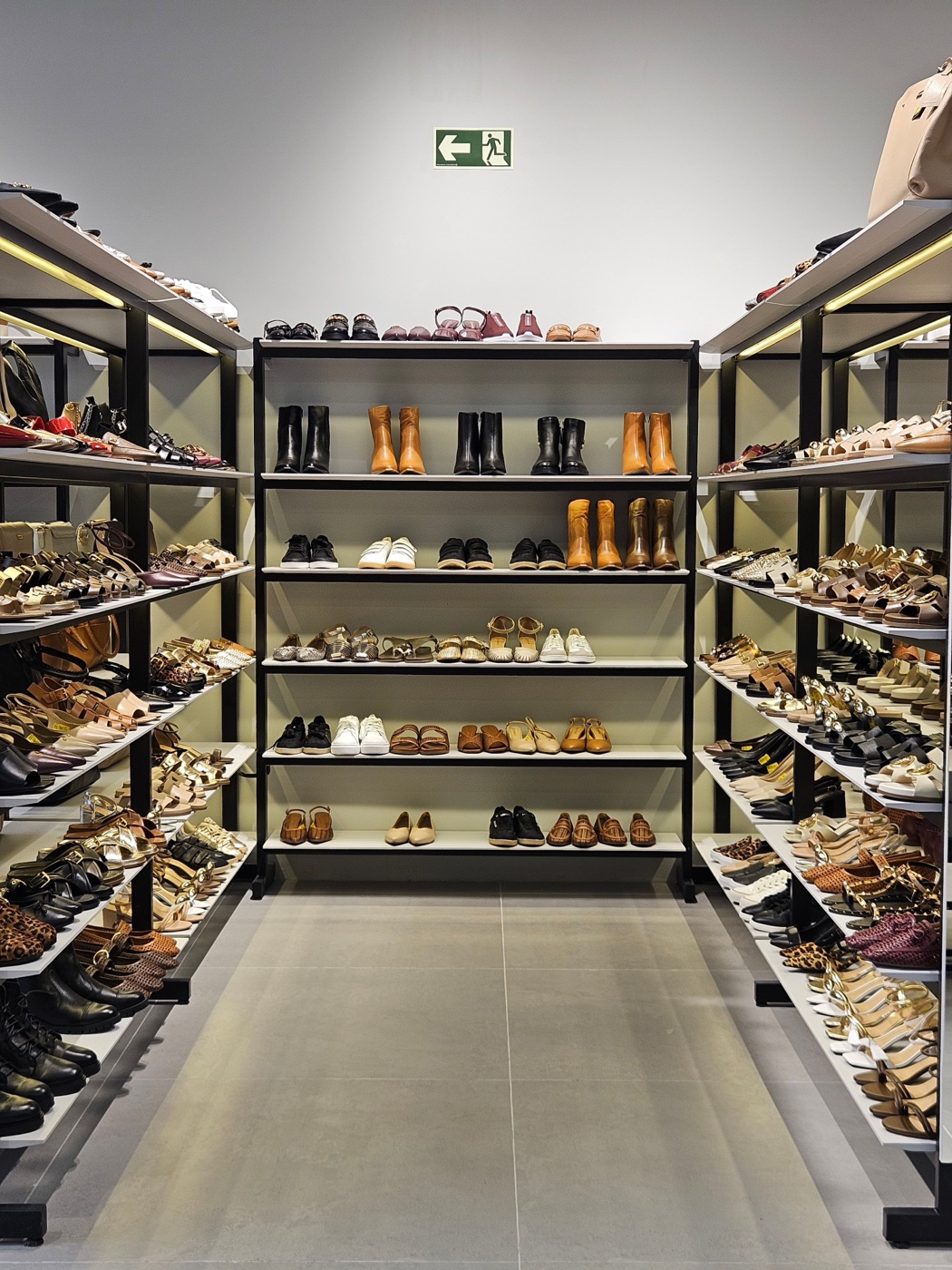
The good news first, since there may be a cart involved. The markdowns the calendars promised for deep winter were already running. Nordstrom’s women’s boot category listed 4,827 items that morning. Flip the same category to sale and it returns 907, roughly one boot in five, and the tags weren’t shy: a Sam Edelman Wren knee-high at $149.99 against a $250 anchor, Nordstrom’s own Banks tall boot at $143.98 from $239.95, a Stuart Weitzman at $556.50 from $795. Steve Madden’s boot collection carried 249 styles, and 69 of them printed a price under their own anchor, some by a lot. $139.95 boots at $49.99. A $199.95 style at $69.99. And the site’s Labor Day banner, “30% off select styles with code WEEKEND,” was still hanging there on Tuesday, a day after the holiday in its name, which fits the deadline behavior we tracked at J.Crew through the weekend.
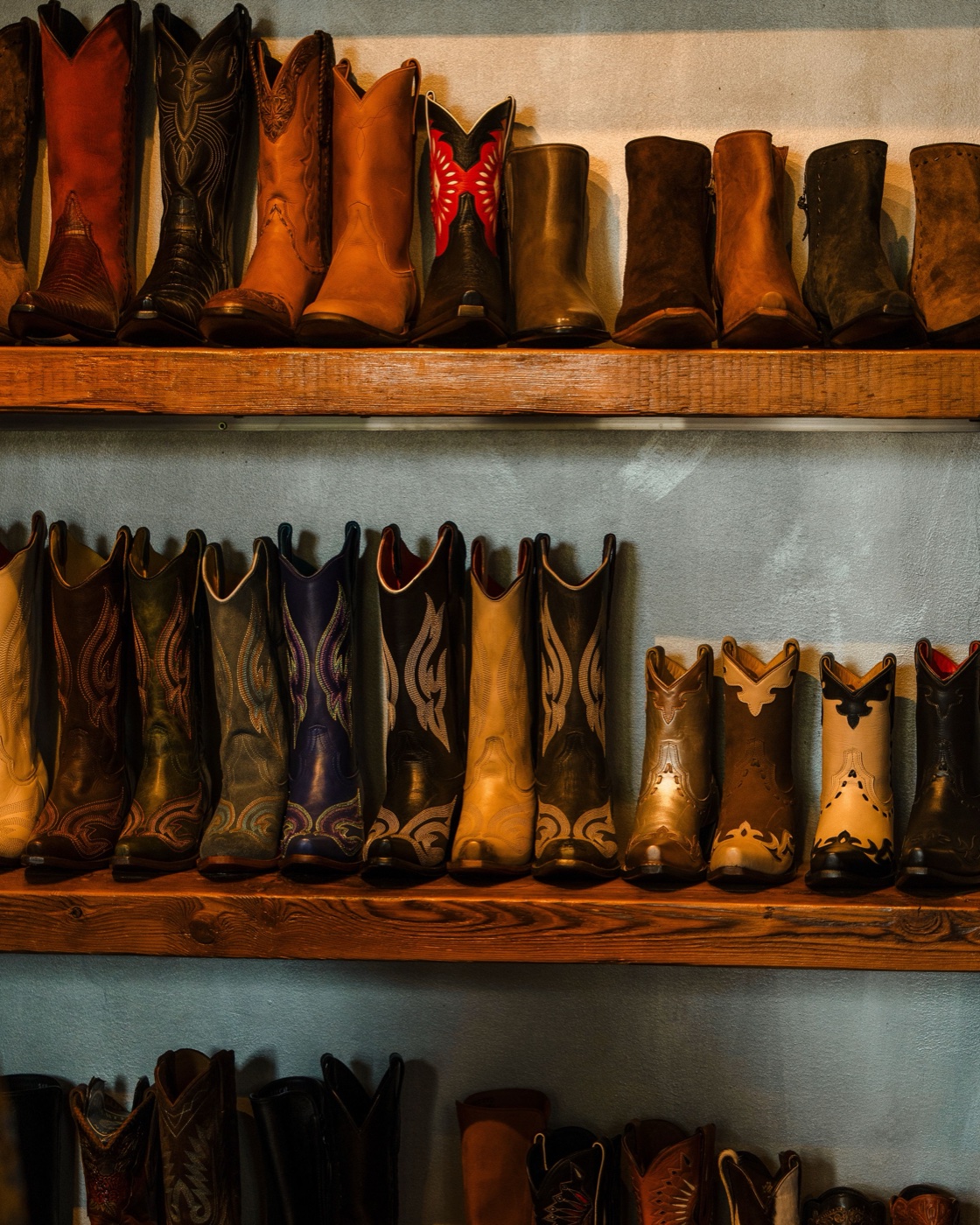
Now the news standing behind that. Madewell’s boot wall runs exactly 25 listings right now, $128 to $498, and not one of them prints a was-price. The whole wall starts at full. Could Nordstrom’s 907 all be last year’s styles? The page doesn’t say, and we won’t guess, but the one wall where age is legible, because everything on it is new for fall, is the wall where nothing has moved a dollar.
And here’s what nobody would print. Nordstrom offers sale filters at 20, 30, 40, 50, 60 and 70 percent off, and prints a count next to none of them. Madewell prints no was-prices at all, so a restrained markdown policy and a wall that simply hasn’t cracked yet look identical. DSW answered my visit with a CAPTCHA, Macy’s with a flat 403, which leaves two of the biggest boot floors in the country unread here, and ungraded. The calendar sites print months and not a single count.
Everyone in this story is withholding a number except the racks that opened.
What is the best month to buy boots?
No month printed on the September 8 racks behaves like a best month: Nordstrom already held sale prices on 907 of its 4,827 women’s boot listings, Steve Madden on 69 of 249 styles, while all 25 of Madewell’s fall boots sat at full price, $128 to $498. The useful split runs between boots, not between months. Our own read of the federal footwear index still stands, January cheapest on average and October dearest, but an index averages the whole shoe floor, and an average can’t tell you which boots are doing the discounting. If the pair in your cart is sitting on a sale rack today, September already beat the calendar, and waiting buys you a size lottery, not a better print. If it’s a new-fall style, nothing on any of these pages suggests a named month will move it before it stops being new, and when the cut finally lands, our sale-versus-clearance read found the deepest one hiding on a plain everyday sale page rather than under any event banner.
The desk caveats, in the open: these are one-load reads of public category pages, taken between 10:45 and 11:15 in the morning, Eastern time, and a sale facet counts whatever each retailer defines as sale, definitions we can’t see into. Nothing went to checkout, so codes and exclusions stayed untested, and we haven’t zipped up one of the 5,101.

Our September sale ledger will keep logging what moves. The stack of calendars will keep saying February, and by February they’ll even be right, the way they were right last February. Calendars answer when. The racks we read on a Tuesday in September had already answered which.