Copenhagen Street Style Trends: Sixteen Opinions, Not a Season
Three outlets watched the same August week on the same Copenhagen curbs and filed sixteen trend calls between them. ThreadGloss logged every one, checked which names repeat, and found a number the galleries never print.
 · · Updated September 6, 2026
 Election returns are the model a street style report borrows. The polls close on the Copenhagen curbs, the outfits are the ballots, and the results arrive with a certified air: capri leggings carried the week, mustard swept the city, the people have spoken. Even the sentence rhythm of a trend list sounds like a returning officer reading out winners.
Nobody counted any ballots. ThreadGloss did, across the three big reports filed on the same city in the same August week, and the tally reads less like returns and more like sixteen exit-poll guesses. Who What Wear’s Ava Gilchrist filed nine street style trends on August 7. Marie Claire UK’s Natalie Hammond filed four, also August 7. Refinery29 Australia’s Carmen Azzopardi filed three on August 4. Sixteen calls total. The number of trends that appear on two of the three lists is zero.
Zero out of sixteen. The verdict is already in the headline, and the rest of this page is the receipts. One disclosure before the counting: ThreadGloss wasn’t on those curbs and hasn’t bought any of it. A desk count is the one service none of the galleries offer.
What did the Copenhagen street style trend lists actually name?
Gilchrist’s nine calls were capri leggings, bandanas, Bermuda shorts, raglan shirts, fringe accents, stripes, pointed-toe mules, pencil skirts and mustard yellow. Hammond’s four: minimal leather jackets, kitten-heeled flip-flops, lace dresses and turquoise. Azzopardi’s three: experimental shoes (Margiela Tabis, toe dividers, Vibram Five Fingers), statement headwear that she says has “graduated from baker boy caps to straw cloches and chainmail coifs,” and what she files as unexpected textural moments, meaning feathered pins and elbow-length gloves.
Written out in one place, those sixteen names are the whole dataset. Read them side by side and the lists describe three different fashion weeks, which is strange, because the photographers were standing on the same curbs.
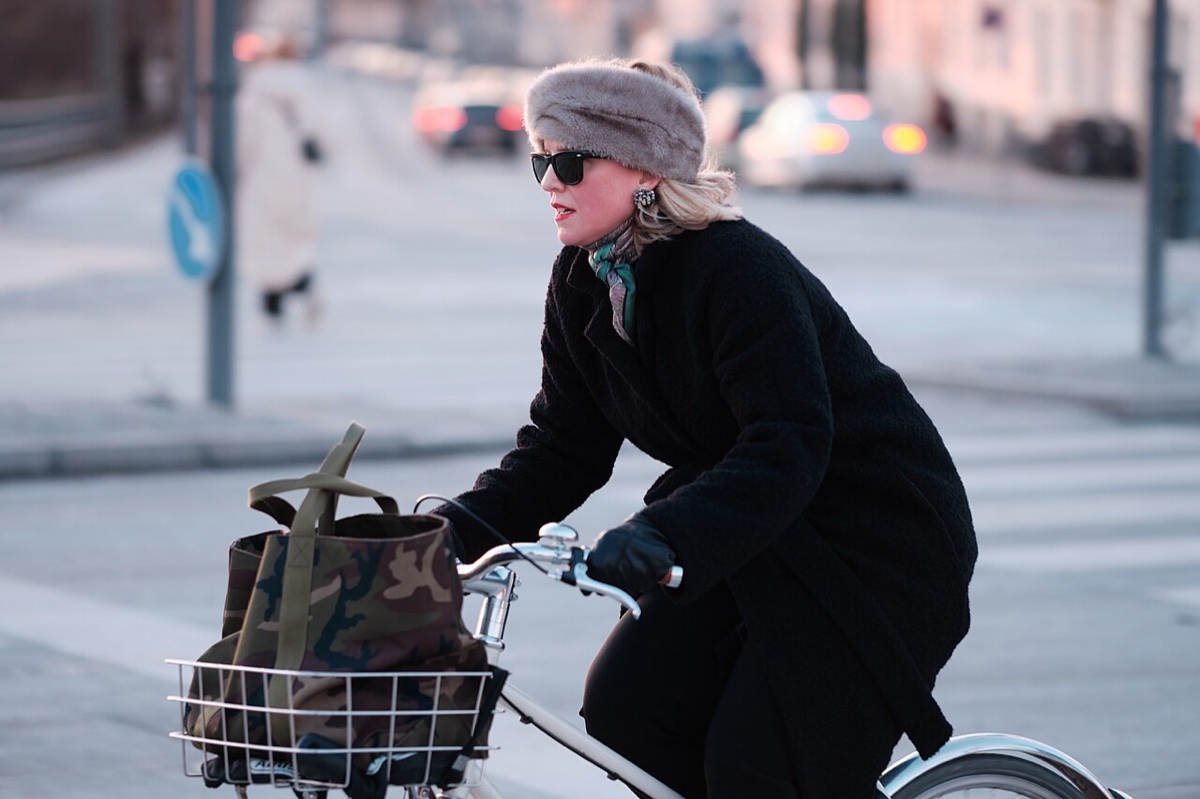
Which trends made more than one of the lists?
Zero trends repeat across the three lists, and the collisions are sharpest exactly where the categories overlap.
| The call | Who What Wear | Marie Claire UK | Refinery29 AU |
|---|---|---|---|
| Shoe of the week | Pointed-toe mules | Kitten-heeled flip-flops | Tabis, toe dividers, “freaky” hybrids |
| Color of the week | Mustard yellow | Turquoise | No color call |
| Something on your head | Bandanas | No headwear call | Straw cloches, chainmail coifs |
| Entry price | Bandana money | £29.99 Zara dress to £400 Toteme flip-flops | Etsy chainmail to Rabanne |
Three lists crowned a shoe of the season and crowned three different shoes. The color contest is a direct contradiction: Gilchrist has mustard yellow washing over the city, while Hammond watched turquoise crop up “on dresses, sequinned tees and fringed clutch bags,” and calls it the week’s winning pop shade outright.
Both writers were reporting what they saw, and there’s no reason to doubt either of them. A week of thousands of outfits will hand a photographer evidence for any thesis she walks in with, and nine or four or three slots is an editorial taste sample, not a measurement. The limit runs both ways, and it caps this page too: a tally of sixteen published calls measures the lists, not the streets.
Which Copenhagen trends do you already own?
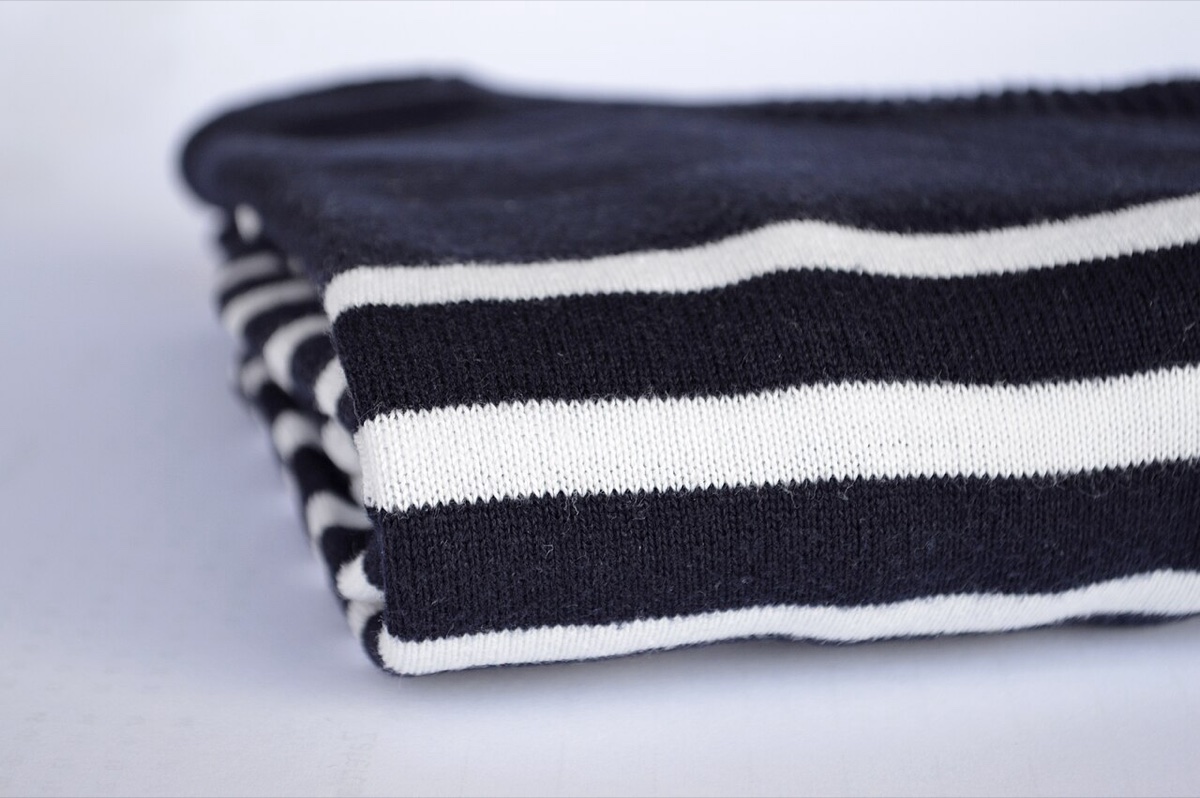
Five of the sixteen calls describe a normal, slightly boring closet: stripes, Bermuda shorts, pencil skirts, raglan tops and a minimal leather jacket. Gilchrist logs the stripes as Breton cardigans and football jerseys, and Hammond’s leather call is explicitly dialled-back, bells and whistles removed. A reader who owns a striped shirt, tailored shorts and any leather jacket bought since 2020 is wearing three of the sixteen trends right now, at a cost of zero. That math makes this a check-your-drawer situation before it’s a checkout one.
Even the trends pitched as daring have a boring twin on a hanger somewhere. Pencil skirts, in Gilchrist’s telling, were “once reserved for secretaries and ’60s socialites,” which is another way of saying an interview skirt now counts as fashion week material. Raglan shirts are baseball tees. Bermudas are office shorts from two summers ago. The renaming is doing most of the work, and it’s worth learning to spot, because a trend you already own is a trend you don’t fund.

The other half of the tally is photo-native. Capri leggings, which even Gilchrist admits are “marred in controversy.” Chainmail coifs. Fringe that sheds on train seats. A £400 kitten-heeled flip-flop from Toteme, a real item Hammond links, for a shoe genre whose defining trait is looking like a £4 one. Those pieces exist to win a street style photo, a contest most readers aren’t entered in. The lists’ own price tags make the case for skipping: the wearable half costs nothing and the photogenic half costs £400.
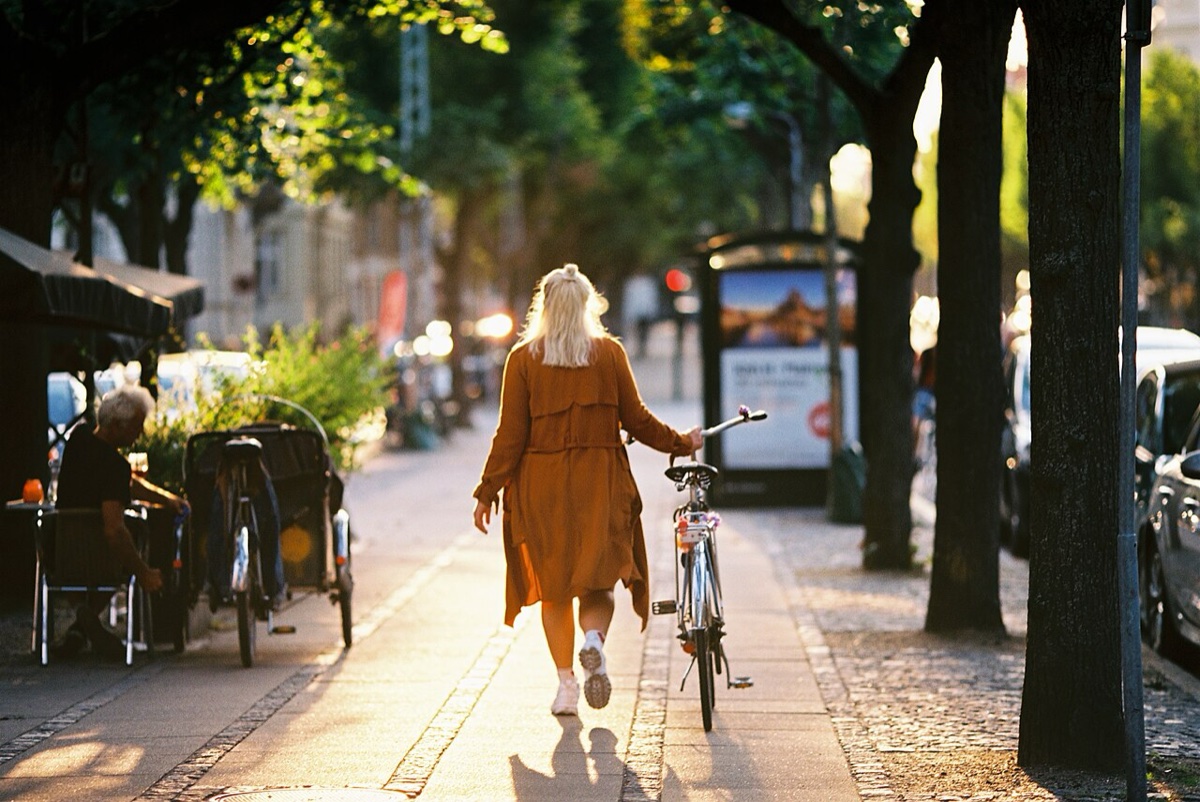

Why can’t three outlets watching the same streets agree?
Every one of these galleries ends in a shopping module, and Who What Wear states the arrangement plainly at the top: “when you purchase through links on our site, we may earn an affiliate commission.” Hammond’s trends each come with three retail links, and Grazia’s winter edition ran shop-now buttons under every look. None of that makes anyone dishonest, and the disclosure sits right there. A street style trend list is still a storefront, and a storefront has no incentive to mention that the other stores disagree.
The recycling is quick, too. Before the week’s galleries had cooled, Who What Wear had already published a follow-up repackaging five of the same street style calls as pre-fall dressing, with the teaser “Bermuda shorts are here to stay.” One week of outfits, two shopping lists, and the second one cites the first as precedent. A single photographer’s Tuesday on Bredgade becomes a “trend” with what looks like a paper trail.
The churn is the tell that lasts. Grazia’s list from this same fashion week’s winter edition had polka dots as one of four trends to try. By August, Gilchrist files stripes as the print “replacing polka dots as the pattern du jour.” Six months from crowned to deposed. Gilchrist also offers the theory that Copenhagen is “a litmus test for new trends: if it makes an appearance, it’s a bona fide thing.” By that standard all sixteen calls pass, including the ones that contradict each other. A test nothing can fail is a vibe.
Here’s the method, for anyone who wants to re-run the count. ThreadGloss pulled the three reports covering the same week, logged every named trend once, merged renames only where two outlets used the same garment noun, and scored a trend as confirmed only when it appeared under a second independent byline. Sixteen candidates went in. Zero came out.
The method also states what would overturn the verdict: one more list naming capri leggings or mustard yellow moves that call from opinion to signal, and the tally gets rerun the moment it happens. Until a second byline shows up, sixteen opinions is what the streets of Copenhagen decided, which is to say they didn’t.