Fake Scarcity Season: An August 'Sold Out by September' List, Re-Read After the Deadline
On August 8, Who What Wear named 13 very specific fall items likely to be sold out by September. September arrived. I pulled all 20 product links on the morning of September 3 and copied down exactly what each shelf printed. Some of it kept the promise. The pattern in which half did is the part worth your time.
 ·
· 
“Its new crushed velvet styles will be sold out by September.” The editor gave that sentence two more words, “trust me,” and filed it under a headline built for panic: If You Panic When Things Start to Sell Out, Order These 13 Highly Specific Items Right Now. That was Who What Wear on August 8, a tightly curated list of items “likely to be sold out by September.”
September arrived. On the morning of September 3, with the deadline expired and Labor Day weekend two days out, I pulled every product page on that list and copied down what each shelf printed: sold out, waitlist, low stock, add to bag. I haven’t bought or touched any of it. This is a desk read of 20 links, and the raw score isn’t the interesting part. The interesting part is which half of the list came true, and it took me until the waitlists to see the sorting variable.
The method fits in a sentence. The same public page reader we used to score a September 1 sellout guarantee on deadline day ran fresh against all 20 links on September 3, and what each page printed is the only evidence in this file. Five pages turned the reader away. They’re marked below, not guessed at.
Sold out, as promised
Three entries printed a hard stop on September 3: Citizens of Humanity’s 90’s French high-rise jean in the Amherst wash, Posse’s Esme mini dress, and Reformation’s Stella satin coat. The $248 jean’s page reads “Sold out” over an email field that promises to write when it’s back. The $550 plissé mini says “Out of stock” over a notify-me button. The satin coat prints “join the waitlist” beside every one of its six sizes, XXS through XL. (One parser note: the coat page rendered its Mole colorway rather than the Almond the list linked, so the cleanest claim is that a Stella coat colorway is gone, not the whole style.)

Score those for the editor. She named them in early August, and by the deadline the shelves agreed.
Still here, one of them 40 percent off
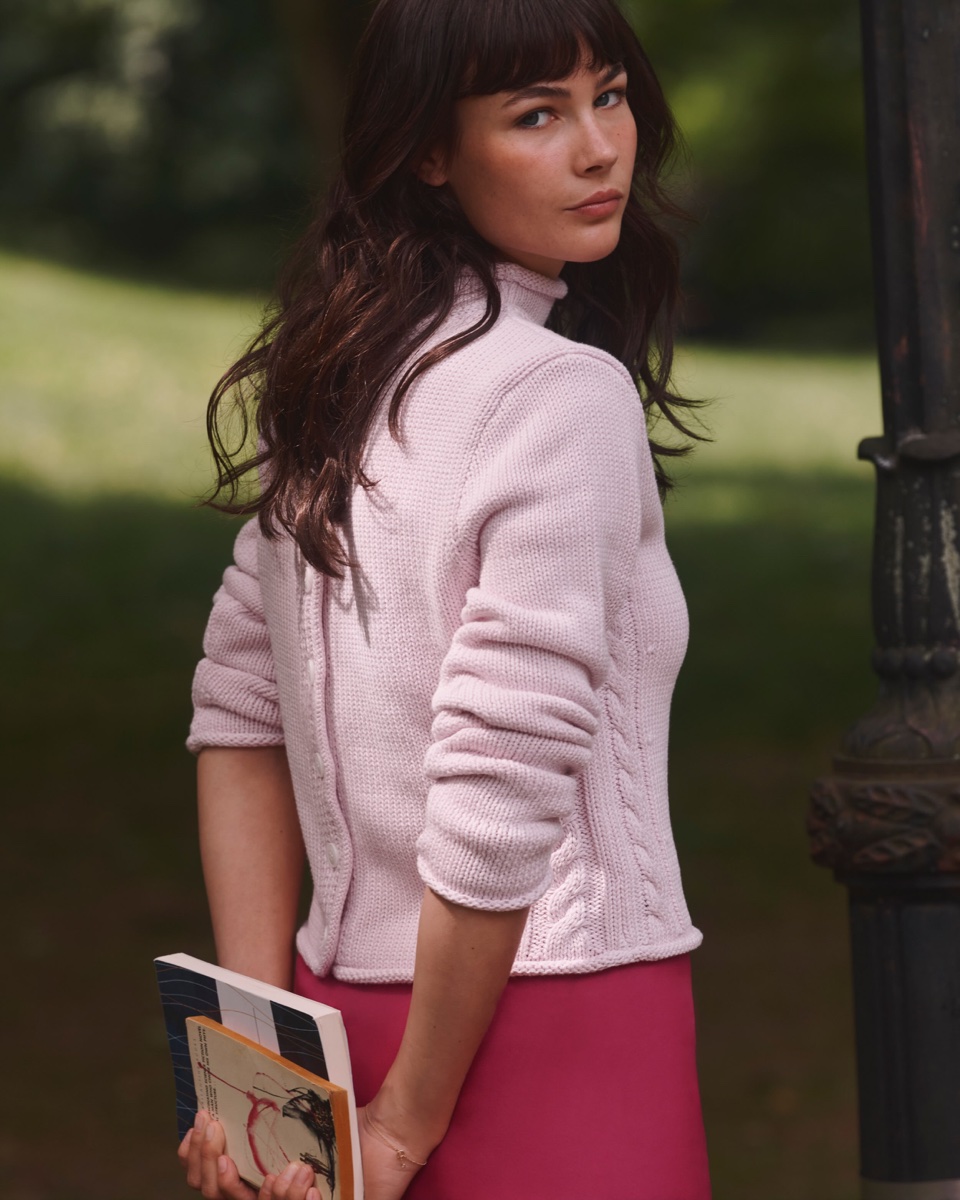
Seven products on the list still printed an add-to-cart button on September 3, and the J.Crew Rollneck reversible cardigan, the most hyped of them, sat under a site banner reading “The Labor Day Event: 40% off your purchase*.” Both linked colorways, Mediterranean Olive and Faded Lilac, printed Add to Bag at $118, a “best seller” badge, and a 4.8-star average across 147 reviews. The asterisk is J.Crew’s, and I couldn’t verify which items the promotion excludes. What I can verify is the pairing on one screen: the sweater you were told to panic-order in August, and a 40-percent-off event on the same screen 26 days later.

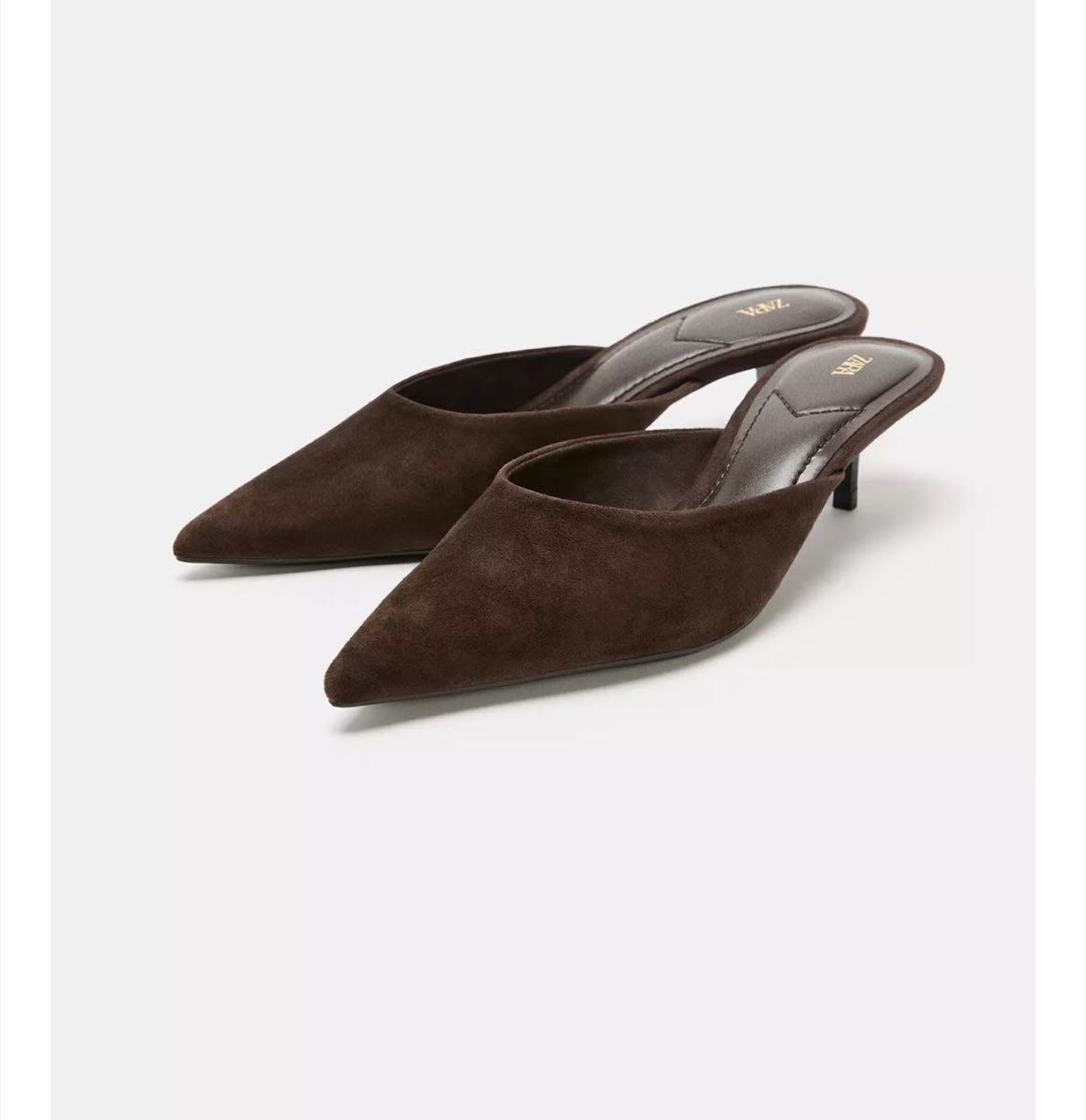
The rest of the still-here column is unbothered in smaller ways. Zara’s blue suede mules ($75.90) and red leather lace-up flats ($79.90) both print Add to Cart. A.L.C.’s Faye dress lists $495 with sizes 00 and 12 gone and seven others orderable. The Ugg Tasman deconstructed slipper sits at Shopbop for $130 with free delivery promised by Tuesday. Dôen’s Irsa short will sell you an XS, S, or M, though L and XL are marked unavailable. Posse’s Esme strapless dress ($690) is orderable with an “Only 3 left” counter. And Margaux’s Fonteyn flat is a split ruling: Nordstrom, the linked retailer, told my reader it had “noticed some unusual activity,” while Margaux’s own site lists 12 Fonteyn colorways at $325, cobalt suede among them.
If you were waiting on any of these, the calendar just handed you leverage, not a loss. We walked through the now-or-wait math for fall purchases in August, and this list keeps landing on the same side of it.
Sold down to the waitlist
Three more entries spent the deadline in a middle state where most sizes print “join the waitlist” and the survivors print “low stock.” Reformation’s Blaine flat shows 13 sizes, every one of them waitlisted or low. Its Stella cropped jacket in black waitlists XXS, XS, S, and XL, with M and L flagged low. Staud’s Sami silk top waitlists four of five sizes. Only the M would ship. (Staud’s Vito top printed both of its sizes above a waitlist module without saying which applied, so I’m not scoring it.)
Here’s the full board, August’s claim against September’s shelf:
| Item, as listed Aug 8 | Linked shelf | What the page printed Sept 3 |
|---|---|---|
| Citizens of Humanity 90’s French jean, Amherst | citizensofhumanity.com | “Sold out,” $248, notify-me field |
| Posse Esme mini dress | posse.com | “Out of stock,” notify-me button, $550 |
| Reformation Stella satin coat | thereformation.com | “join the waitlist” on all 6 sizes (Mole colorway rendered) |
| Reformation Stella cropped jacket, black | thereformation.com | 4 sizes waitlist, M and L “low stock” |
| Blue suede shoes (Zara, Reformation, Margaux) | 3 retailers | Zara mules Add to Cart at $75.90. Blaine flat: all 13 sizes waitlist or low. Nordstrom blocked, brand site sells 12 Fonteyns at $325 |
| Staud Sami silk top | staud.clothing | 4 of 5 sizes waitlist, M ships |
| Staud Vito silk top | staud.clothing | 2 sizes above a waitlist module, ambiguous |
| Dôen Irsa short | shopdoen.com | XS, S, M orderable. L, XL unavailable |
| J.Crew Rollneck cardigan, 2 colors | jcrew.com | Add to Bag, $118, under a “40% off your purchase*” banner |
| Zara red lace-up flats | zara.com | Add to Cart, $79.90, “FEW ITEMS LEFT” |
| A.L.C. Faye dress | alcltd.com | $495, sizes 00 and 12 sold out, 7 orderable |
| Ugg Tasman deconstructed | shopbop.com | $130, free delivery by Tuesday |
| Posse Esme strapless / satin pants | posse.com / Mytheresa | “Only 3 left” at $690 / Mytheresa blocked |
| COS purple merino scarf | cos.com | Access Denied to automated readers |
| Valesque crushed velvet Thea tote | net-a-porter.com | Access Denied to automated readers |
| Polo Ralph Lauren half-zip | saksfifthavenue.com | page would not load for the reader |
Line the columns up and the sorting variable finally shows itself. The editor’s confidence can’t be it, since her urgency ran uniformly hot across all 13 blurbs. The items that vanished are small-batch propositions: one wash of one jean, a plissé dress from a small Australian label, a satin colorway, a silk top. The items that shrugged are made at industrial depth, by Zara, by J.Crew in seven colorways, by Ugg through Shopbop’s warehouse. Urgency prose reads the same on every product. Inventory doesn’t. A sellout warning tells you about the supply curve behind the product, or it tells you nothing.
To be fair to the editor, three clean sellouts and three waitlist-outs across the ten entries whose shelves I could read is real signal, better than a coin toss. And September 3 is a snapshot, not a verdict for all time. When we audited Leset’s Kyoto pants, a colorway that was two-fifths sold out in mid-August came back in every size by September 1. Sellouts breathe. Three entries, including the tote that shipped with “trust me” attached, I couldn’t re-read at all, because their retailers block automated readers.
Is fake scarcity illegal?
Inventing scarcity is illegal on both sides of the Atlantic. The FTC’s September 2022 staff report Bringing Dark Patterns to Light lists false low-stock messages, the “only two left in stock” variety deployed when stock is plentiful, among the deceptive practices it can act against. In the UK, the Competition and Markets Authority secured a court order against Viagogo that prohibits misleading claims about availability and popularity, and in November 2025 it opened a pressure-selling enforcement drive aimed at countdown timers and “last chance” messaging, with investigations into 8 businesses and advisory letters to roughly 100 more.
Notice what the law can’t reach here. An editor’s prediction is opinion, not a stock counter, and none of the badges on this list is provably false from the outside. I can’t audit whether Zara’s “FEW ITEMS LEFT” flag on both pairs of shoes describes three units or three hundred. What a reader can audit is the part I just did: whether the warnings came true, on the date they named.
What is fake scarcity called?
Fake scarcity is classified as a “deceptive pattern,” the term maintained by the Deceptive Patterns project (formerly darkpatterns.org), which defines it as pressuring a user with “a fake indication of limited supply or popularity.” The FTC files it under dark patterns; the CMA calls the wider family pressure selling. Retail’s own word for the genre is urgency messaging, and it spans everything from stock counters to an editor’s dated guarantee.
The honest cousin of all this is scarcity that’s simply true. The Amherst jean wasn’t running a countdown clock. It just left.
So, the tote. The item that opened this file, the Valesque crushed velvet Thea with the personal guarantee, lives at Net-a-Porter, and on September 3 that page answered my reader with two words: “Access Denied.” That’s a bot filter, not a sellout, and your browser will likely load the shelf fine. But from the auditing chair it’s a clean ending. The editor said trust me. The page declined to comment.