How Long Should a Winter Coat Last? Eleven Warranties, 44,807 Wardrobe Items, and One Table That Pays Out
Three different industries have been made to write down, in years, how long a coat is good for: the brands that sell them, the households that own them, and the trade that settles up in cash when a cleaning goes wrong. We lined all three numbers up against the same $300 wool coat. They don't overlap.
 · · Updated September 2, 2026
How long? Everything else about a winter coat gets printed somewhere: the fiber percentages on the inner seam, the care rules on the second label, the price on the first. The one number that would actually settle whether a $300 coat, 33 percent wool or better, is a fair deal in the first week of September, a number of years, isn’t printed anywhere at the register.
The number does exist in writing. The test this desk applies is simple: a lifespan figure only counts if somebody’s on the hook for it, and by that test there are exactly three sources on file. Brands put lifespans in warranties, where the wrong number costs them repairs. Households reported lifespans to a national waste survey, item by item. And the drycleaning trade keeps a table of coat lifespans that decides, in dollars, what a ruined coat was worth. We read all three so the numbers could argue with each other. We haven’t worn any of these coats, and this isn’t a review of one. It’s a read of what eleven warranty pages, one survey of 44,807 garments, and one claims table were willing to sign.
What does a winter coat warranty actually cover?
Eleven outerwear warranty pages cover manufacturing defects and exclude ordinary wear, so Canada Goose, The North Face, Marmot and Mackage all name fading, frayed cuffs or “overall deterioration” as things you pay for yourself. The brands go first, since they’re the ones asking for the $300, and their pages were read one clause at a time.
| Brand | The written promise for a coat | Wear and tear? |
|---|---|---|
| Canada Goose | “Lifetime of the product” for insulated outerwear; 2 years for the rest (read on the official AU page, August 18) | Not covered |
| Moncler (US terms of sale) | Defects that show within 24 months of delivery; claims cut off at 26 | Not covered |
| The North Face, US site | “Limited Lifetime,” meaning “the practical and reasonably expected lifetime of the product” | Not covered; fading and “overall deterioration” named |
| The North Face, UK site | Two years. Same parka. | Not covered |
| Arc’teryx | “Practical Product Lifespan,” which “does not mean for your lifetime” | Not covered |
| Fjällräven, North America | Limited lifetime, “not necessarily your lifetime,” decided by a Warranty Specialist | Not covered |
| Marmot | “Practical lifetime of the product” | Not covered; loss of water repellency named |
| Mackage | “Practical lifetime of the product” | Not covered; frayed cuffs, fading, damaged zipper parts all listed as normal wear |
| Patagonia | No number. Wear repaired “at a reasonable charge” | Repairs, for a fee |
| Barbour, UK terms | Twelve months from delivery | “Fair wear and tear” excluded |
| L.L.Bean | One year of returns; defects “considered” after | Not covered |
| J.Crew, Everlane | No warranty. 30 days | n/a |
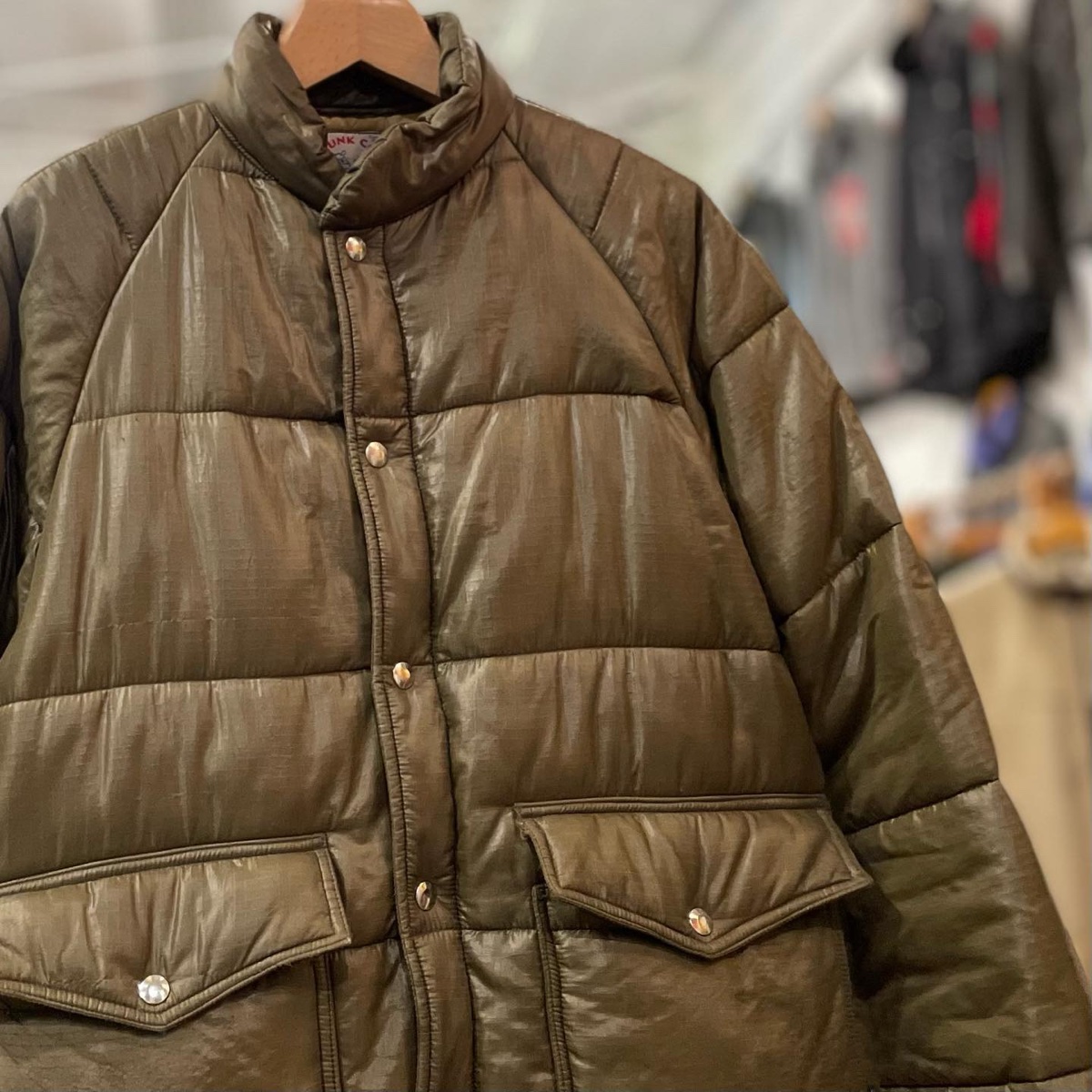
Columbia, Eddie Bauer and Aritzia blocked the reads, and Uniqlo’s pages gave up a returns window and nothing else, so none of them made the table. What did make it splits two ways. The fixed promises run one year to two, which puts Barbour’s twelve months next to Moncler’s twenty-four on the same shelf where a coat is being sold as a decade-long companion. And the word “lifetime,” the one every heritage-outdoor brand reaches for, gets defined further down the page as the coat’s own lifetime, which The North Face says arrives once the gear has “followed care instructions, and its age is showing.” So the lifetime warranty expires the winter the coat starts to look old, which was the question being asked in the first place. One more coordinate for scale: the same North Face parka is warranted for life in Ohio and for two years in Manchester.
A second number comes from people with no coat to sell.
How long do people actually keep a winter coat?
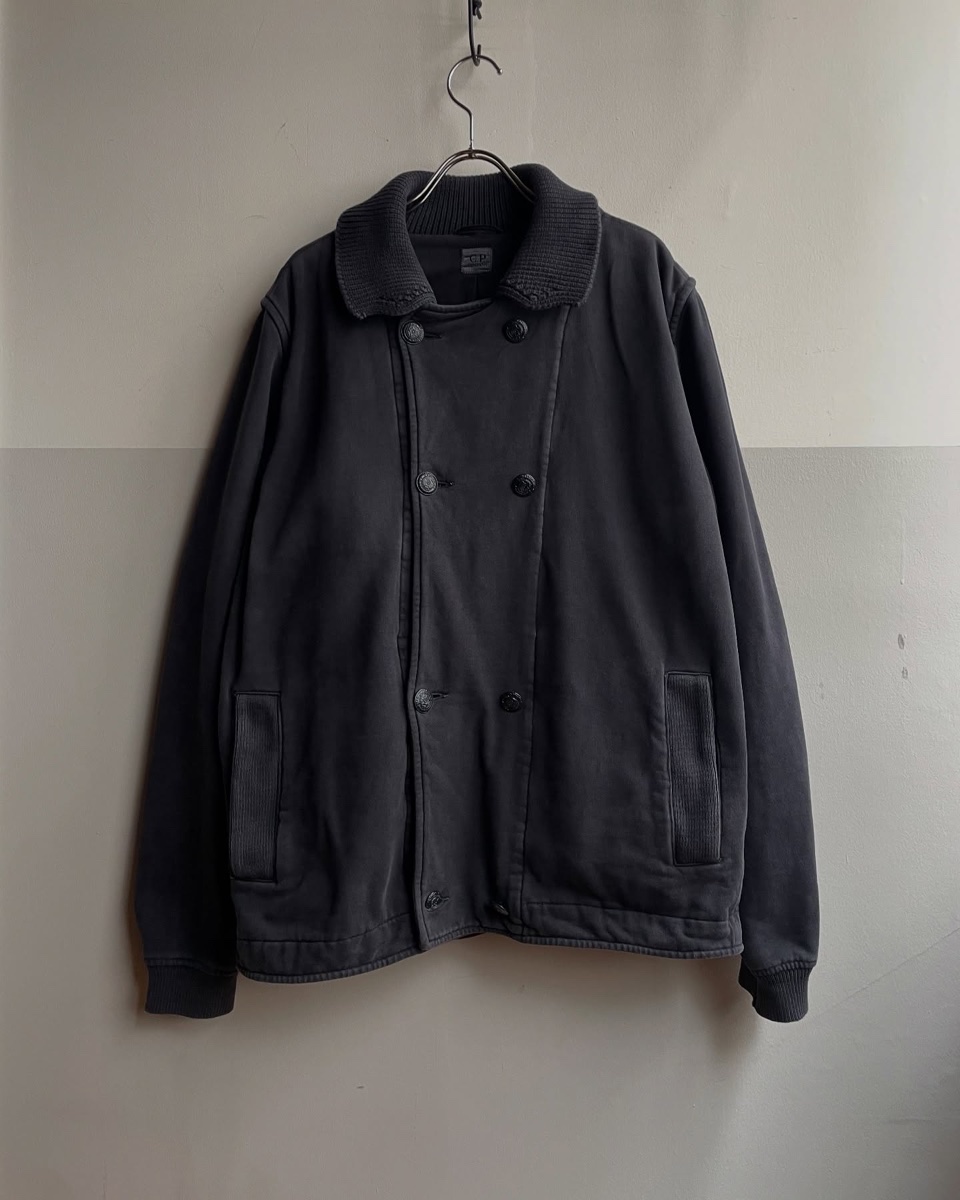
Non-padded coats run 6.3 years in British wardrobes, the longest-lived category in WRAP’s 2021 survey of 44,807 garments, against 4.3 years for the average item of clothing. In October and November 2021, WRAP, the UK waste charity, asked 6,000 adults about specific items hanging in their closets: when did you get it, how much longer will you wear it. The report ranks non-padded jackets right behind coats at 6.1 years, with padded coats and jackets at 5.4, so every outerwear category beats the wardrobe average by at least a year. The sub-numbers carry more instruction than the headline. Secondhand items were on track for 5.4 years against 4.0 for new ones. A repair, paid or DIY, added 1.3 years on average. Padded coats were being worn 17 times between washes, the highest of anything surveyed, which probably helps explain the lifespan. A five-country study (Laitala, Klepp and Henry, 46,857 garments) lands on the same side: coats were the oldest things in the wardrobe, wool outlasted cotton by 1.2 years, and anything over $100 was kept two years longer than the cheapest tier.
A third number is the one that moves actual money.
How long does a wool coat last?
A wool coat’s life expectancy is four years in the Fair Claims Guide, the table the drycleaning industry uses to settle up when a cleaner ruins a garment. The guide, published by the Drycleaning & Laundry Institute, assigns every textile a “life expectancy” in years, and the reprinted table reads, for outerwear: wool coats, 4. Down, 3. Cotton and blends, 3. Leather and suede, 5. Ski jackets, “including down,” 2. Fur gets ten. Past its number, a garment slides into what the guide calls residual value, and the payout shrinks accordingly. Nobody quotes this table in a lookbook, but it’s the only lifespan figure on this page that gets tested against a check.
Each source carries a limit worth naming before the lineup. A warranty measures a brand’s appetite for claims, not a coat’s endurance. The survey numbers are what owners predicted about their own closets, and owners flatter themselves. The claims table is a depreciation schedule, built to price disputes, not to describe the best possible coat. None of the three is the truth alone. The argument between them is the information.
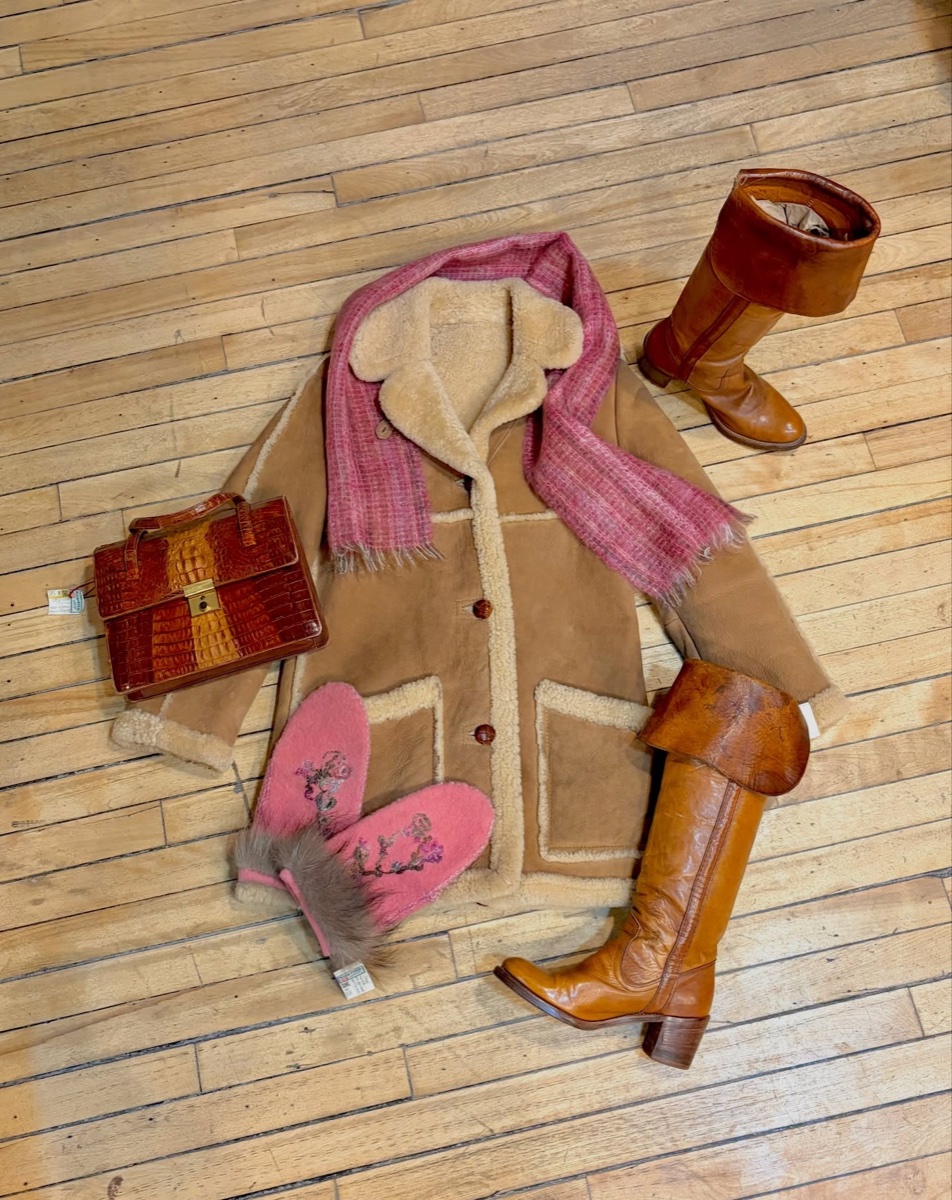
So line them up for the wool coat on this month’s racks. The sellers’ version of its life: one to two years in writing, or “until it looks old.” The version somebody has to honor with cash: four years, per the table that pays. Your closet, statistically, will beat both at six and a bit. There are two ways to name what you’d be buying this September, and only one of them was priced by people who lose money when they’re wrong, so the math here runs on the four. Four winters on $300 is $75 a winter before a single wear is counted, and if that reads fine, buy it, in the sale window if you can wait. If the coat already in the closet is on its third winter, the survey says its owner gets two or three more, and a tailor’s visit buys about one extra. The cuffs will announce the finish line. Frayed cuffs, conveniently, is the precise condition Mackage’s page files under normal wear, so on that one date, everybody’s numbers finally agree.