Is 2-Ply Cashmere Good? I Read Six Cashmere Sweater Pages and Only Two of Them Print the Number
The swing tag says two-ply like it's a grade. So I went to the product pages of six cashmere sweaters, from a $50 crewneck to a $630 one, to see who publishes the ply at all and what the two who do put next to it.
 ·
· 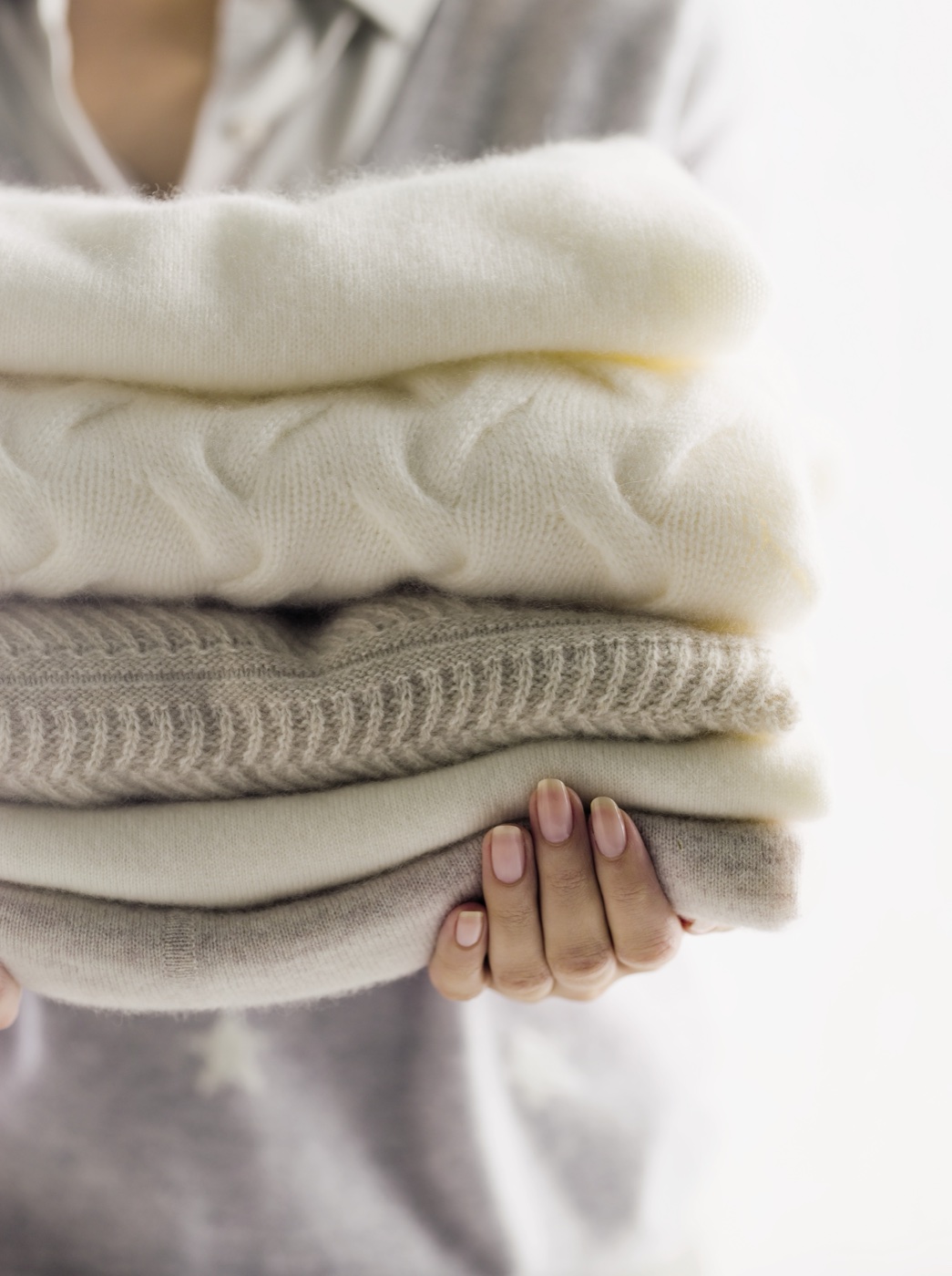
The cashmere landed on the shop floor this week, and with it the little cardboard swing tag. Two-ply. It hangs next to the price like a grade, and if you ask why one sweater is $148 and the next one is $50, two-ply is the answer you get, said the way people say Grade A or 100 percent.
So I spent an afternoon reading product pages instead. Six cashmere sweaters, $50 to $630. We haven’t worn any of them, and this is a desk read of what the brands themselves publish.
What does 2-ply cashmere actually mean?
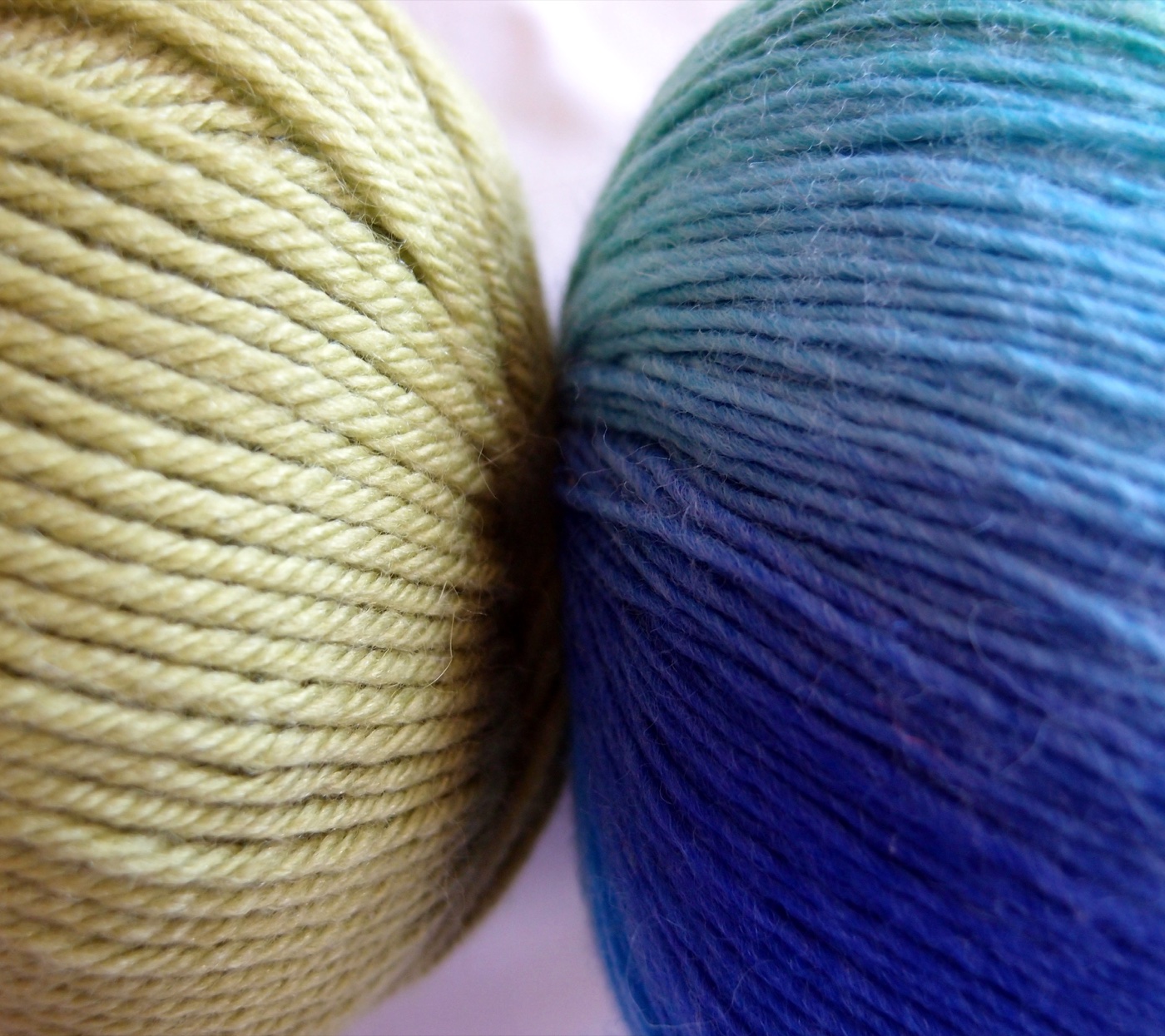
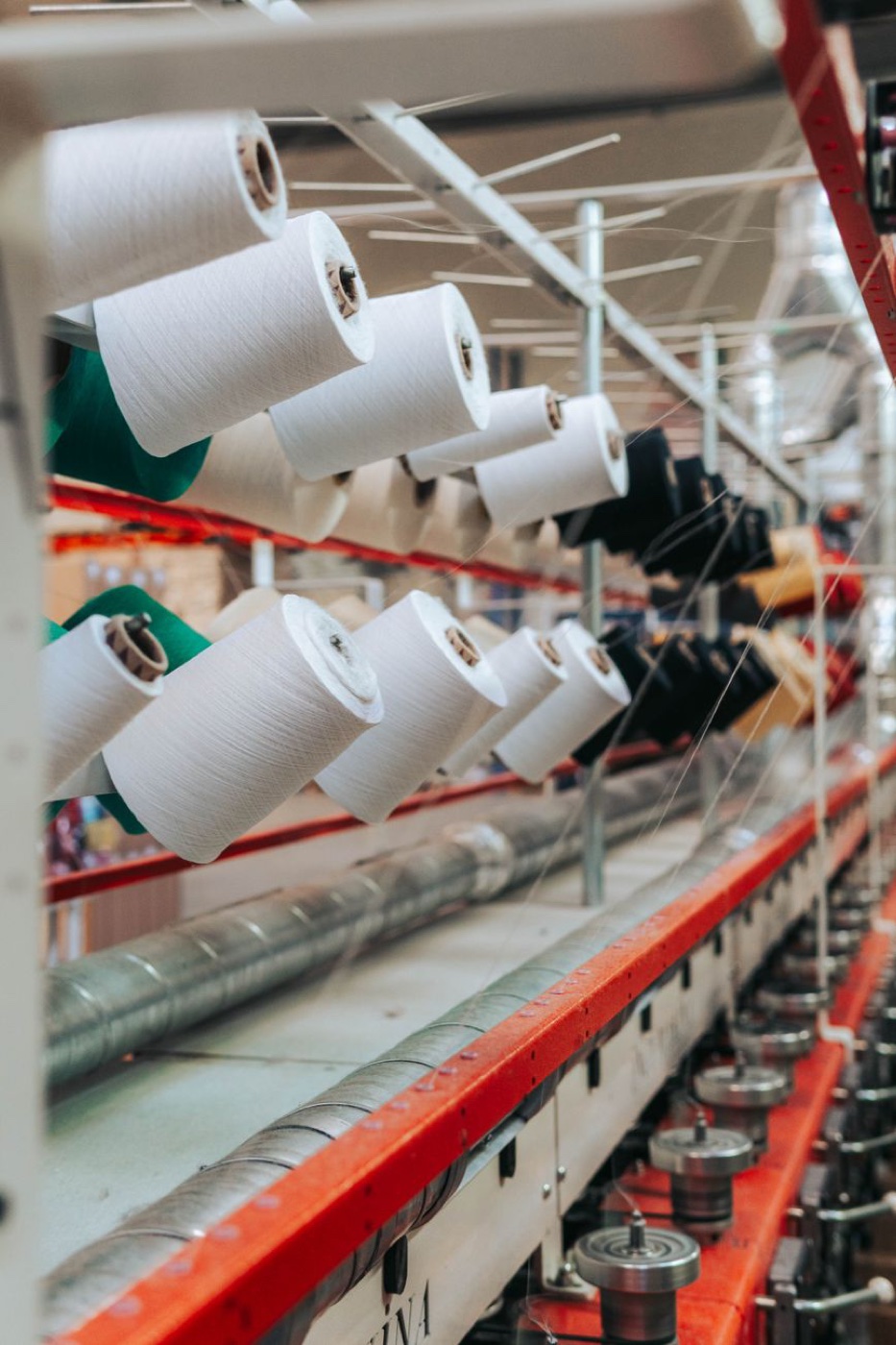
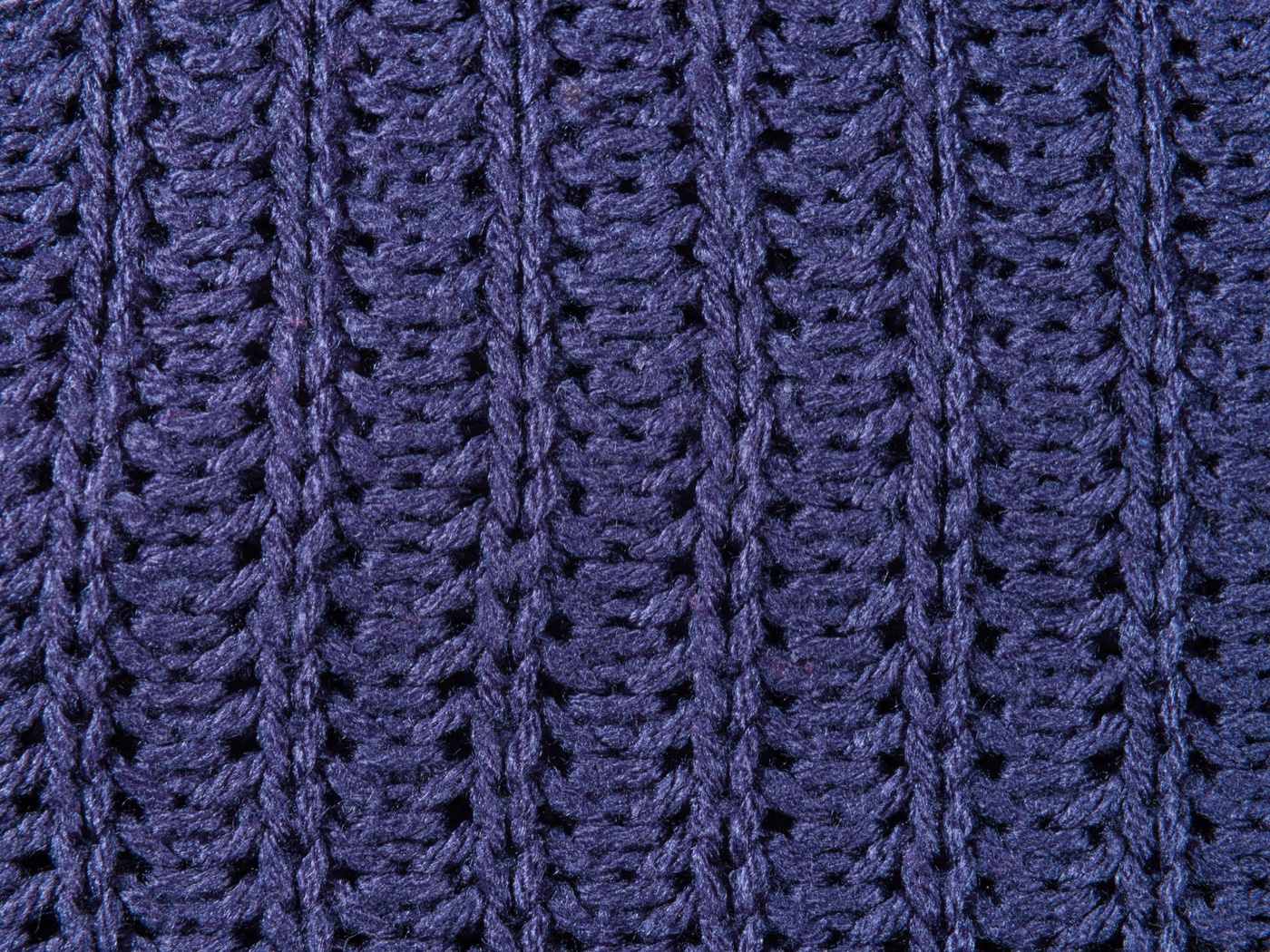
Ply counts the strands twisted together into a single yarn, so 2-ply cashmere is two threads spun into one before a stitch gets knitted. Simon Crompton at Permanent Style says it in the plainest words I found: “The number refers to the yarn used: 2 ply means two threads (‘ends’) twisted together in the yarn, 4 ply means four of them, and so on.”
Look at the word inside his brackets. Ends. That’s the word the people ordering the yarn use, and it turns out to matter.
Is 2-ply cashmere better than 1-ply?
Two of the shops selling cashmere say no in writing. GOBI answers the question in its own buying guide with “Not necessarily. A higher ply means more warmth, but fiber quality matters more for softness and longevity.” Colhay’s, which knits in Hawick and charges $630 for a crew neck, writes that gauge, “as with ply, this has no bearing on quality,” and gives the example of a 3-ply cashmere silk that is still a warm weather garment because the yarn itself is thin.
Then there’s N.Peal, also in the business of selling cashmere, whose guide to spotting the bad stuff states flatly that “High quality cashmere will always be 2-ply (made with two pieces of cashmere yarn so that you cannot see through the wool).” Three sellers, two positions. Nobody is lying, they’re describing different things, and only one of them is describing quality.
| Sweater | Price | Ply or ends | Gauge | Micron / length | Weight |
|---|---|---|---|---|---|
| Naadam The Essential $75 Cashmere Sweater | $75 | 1 end | 12 | not stated | 225 to 275g |
| Colhay’s cashmere crew neck | $630 | 2-ply | 12 | 15.5 micron / 38mm | c.300g |
| Quince Mongolian Cashmere Crewneck | $50 | not stated | 12 | 15.8 micron / 34 to 36mm | not stated |
| Everlane The Cashmere V-Neck | $120 | not stated | not stated | “Grade-A” only | not stated |
| J.Crew cashmere classic-fit crewneck | $148 | not stated | not stated | not stated | not stated |
| Lands’ End women’s cashmere crewneck | $189.95 | not stated | not stated | not stated | not stated |
Read the top two rows against each other, because they’re the only two on the list that let you. Naadam’s materials page calls them ends and files the $75 Essential at 12 gauge, one end, 225 to 275 grams, under the line “Fun fact…the more ends, the heavier the material.” Colhay’s puts “2-ply, 12 gauge” and “c.300 grams (mid-weight)” on the crew neck page. Same gauge, one ply apart, roughly 25 to 75 grams between them. Different fibre and different mill and different finishing, so I wouldn’t take that arithmetic to the bank, but it’s the only same-gauge comparison the published numbers allow, and it points at weight rather than at grade.
The bottom four rows are the ones most people are actually shopping. Quince prints micron and fibre length and gauge and no ply, which is more disclosure than anyone else on the list and still not the number on the swing tag. Everlane’s V-neck says “100% Grade-A Cashmere” and stops. J.Crew’s $148 crewneck says “100% cashmere. Hand wash. Imported.” The Lands’ End page, at $189.95, doesn’t give a single construction figure either. Four of six sweaters, and the ply is not on the page you buy from.
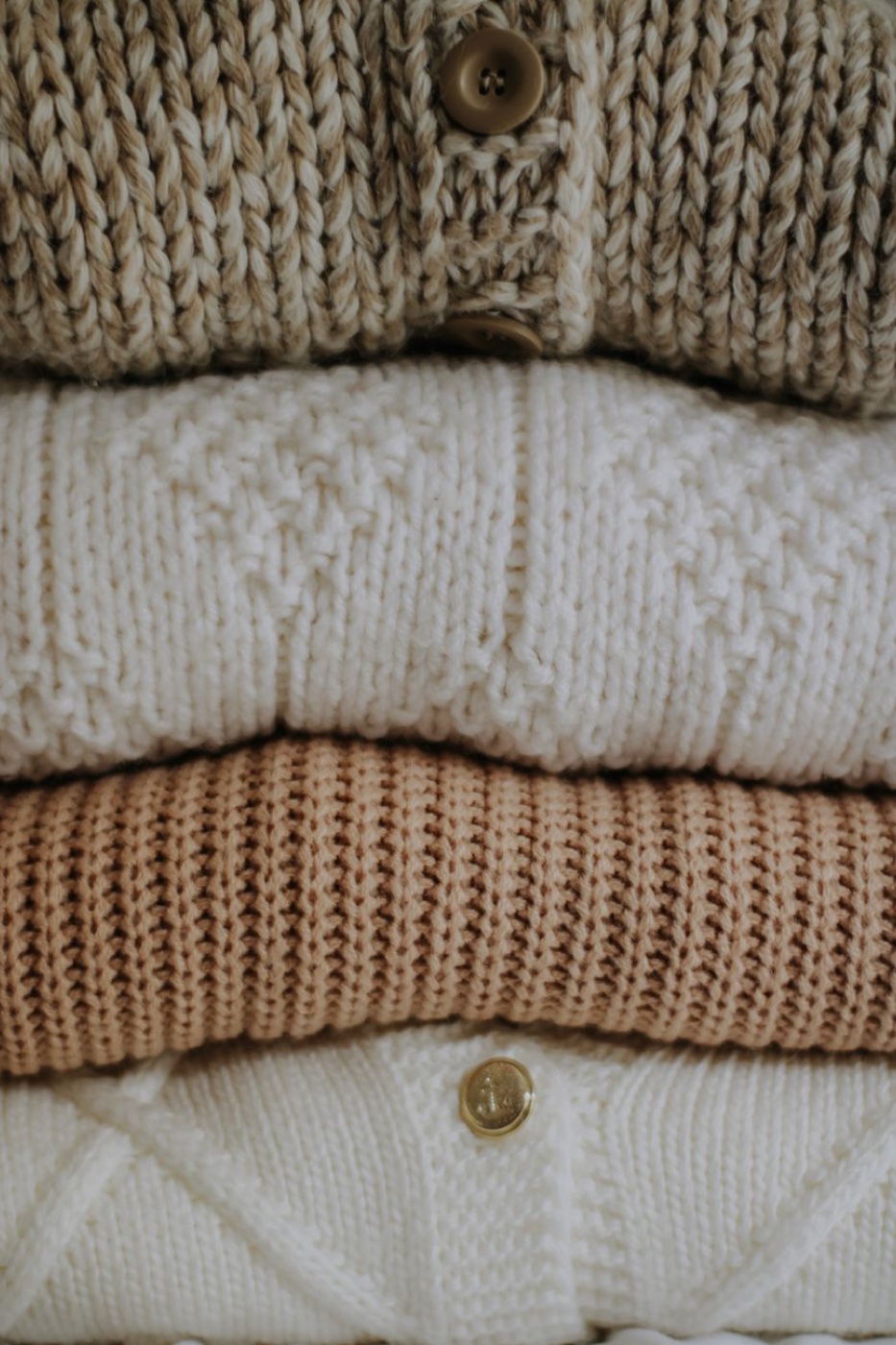
Which leaves the tag. Two-ply is a real specification and it’s worth something, and what it’s worth is grams: a heavier sweater, a denser hand, a bit more yarn in your hands for the money. It is not a report card on the fibre. The things that decide whether the sweater still looks like a sweater in March are the micron and the staple length and how tightly it was knitted, and Quince is the only brand here that prints two of the three, for $50.
So when the assistant says two-ply, the useful follow-up is how many grams, and you will mostly get a blank look, because the brand didn’t print that either. Buy the sweater because you picked it up and it felt substantial and it fit. Skip it because it didn’t. The number on the cardboard was never going to settle it.