Is Shipping Protection Worth It? The $2.98 Box Buys Something Real, but Not What the Checkout Implies
The line item shows up pre-ticked between subtotal and total, and it isn't postage. We read the protection pages behind four fashion checkouts, then read the federal rules that were sitting there before any checkbox existed. One order stays fixed the whole way through: a fall parcel that never arrives. Only the document underneath it changes.
 ·
· 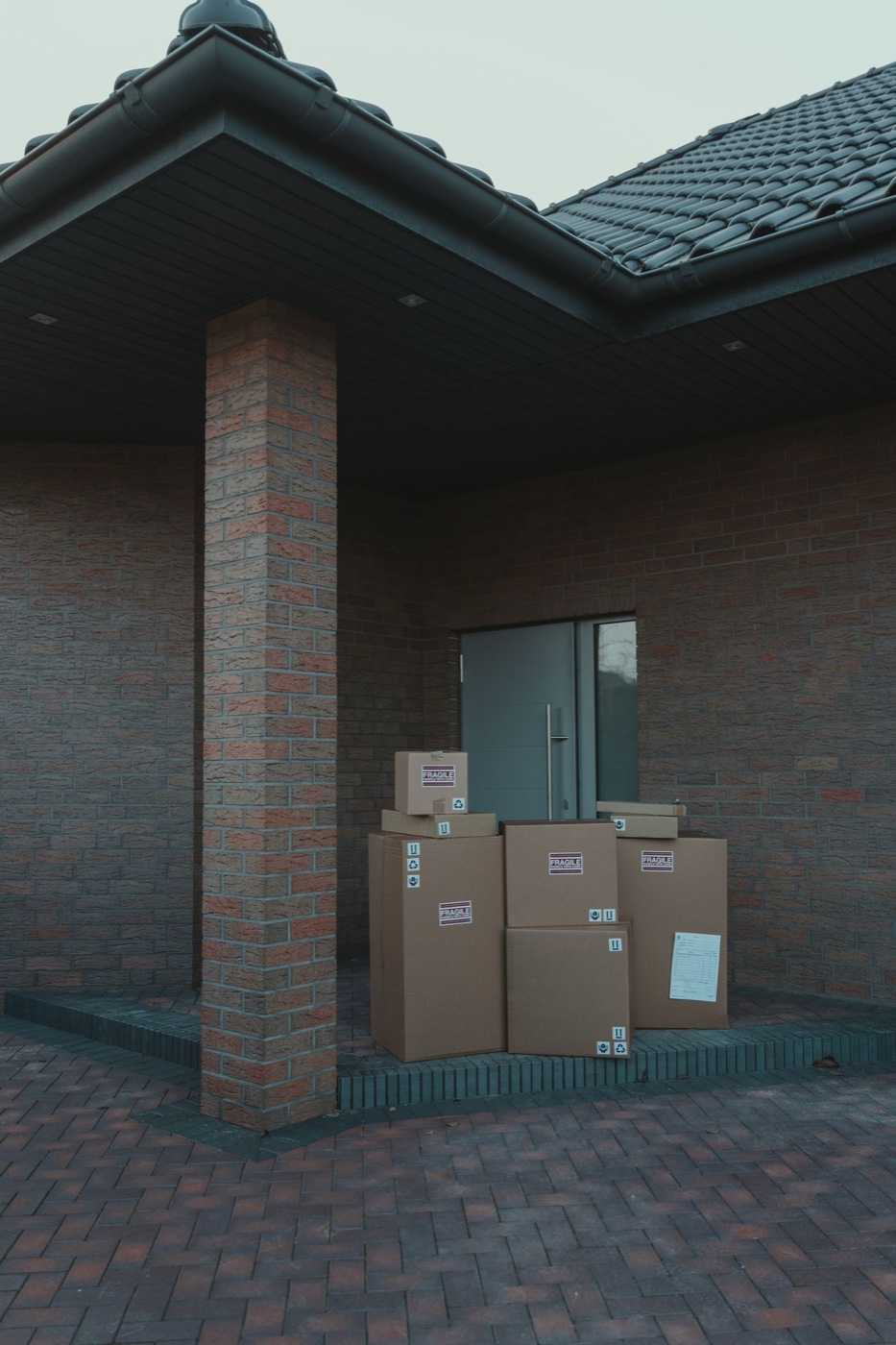
The shopper we have in mind wants one thing at 11:40 on a Sunday night: to get a fall order through checkout without paying for anything extra. The boots are in the cart, the address is autofilled, and then a small line settles in between subtotal and total, already ticked. Shipping Protection, $1.98 or $2.98 or a sliding percentage, depending on the store. At first glance it reads like postage, or a tax, or some piece of machinery the order can’t ship without. It’s none of those things.
A pre-ticked protection line is a product. Somebody wrote terms for it, somebody set its price, and somebody decided the default state of the checkbox would be on, not off. Which means the honest way to evaluate it isn’t to ask how scary porch theft feels at midnight. You read the product’s own paperwork, the way you’d read a warranty. So that’s what we did, across four fashion retailers’ printed pages, on September 15, from a desk that has never filed a protection claim and didn’t buy one to test.
To keep the comparison honest, we held one imaginary order constant: boots, bought online in the United States, tracking stalls, box never shows.
Only the document changes.
What does shipping protection actually cover?
On Thursday Boot Company’s package protection page, coverage means a replacement shipment if your item is in stock, or store credit if it isn’t, and the page says plainly that the charge itself is nonrefundable. The definitions run on short clocks. A package qualifies as lost after 7 days with no tracking update inside the contiguous US, or once it’s been marked delivered for 48 hours without appearing. A damage claim has to be filed within 3 days of delivery, with photo or video proof on request, per the retailer’s own protection page.
Notice the currency. The paid product resolves in replacement or store credit. Cash is not on the menu the page prints, and the fee that bought the coverage stays paid either way. If you provided a slightly wrong address at checkout, coverage is off. If you wanted to add protection after ordering, you can’t.
Here’s the fair counterargument, and it deserves its paragraph: the fear this product answers is not invented. Boxes really do vanish from porches, carriers really do scan things delivered that aren’t, and for a few dollars on a $160 pair of boots, a guaranteed reshipment with no argument is a genuine service. If your building’s package shelf is a known crime scene, the math can work. The question was never whether the product does anything. It’s whether you already own most of what it sells.

That checkbox is also now a court exhibit. In DeMarco v. DNVB, Inc., a proposed class action over Thursday Boot Company’s checkout, the plaintiffs describe a $2.98 Shipping Protection fee added by default under a free shipping banner, and argue the risk it insures was already borne by the carrier and the seller. In December 2025 a federal judge in Manhattan declined to dismiss the deception claim, writing that adding fees for shipping protection at the end of the transaction could plausibly mislead an average consumer, per Rebecca Tushnet’s write-up of the ruling. Allegations are not findings, and the company is defending the case. But the theory the court let through is exactly the question of this article: what did the fee add?
The same box, with Route riding on it
Route is the biggest third party behind these checkboxes, and its policy page is more generous than Thursday’s on one axis and stricter on another. Lost means the package was never reported as delivered and 7 days have passed since the last tracking update for domestic orders, 20 for international, and you get 30 days from that last update to file, per Route’s package protection policies. Stolen has its own etiquette: the package was marked delivered but you didn’t receive it, and the claim can be filed no sooner than 5 days after the delivery date, no later than 30. Damaged means the item is unusable, evidence required.
Read the stolen clause again with your calendar open. Five quiet days is the buffer where Route expects the box to surface behind a planter or at a neighbor’s, and it happens to be the same 5 day wait Princess Polly asks of shoppers before its team will even open a missing package conversation. The clocks in this industry agree with each other. None of them run on your sense of urgency.
The same box, with no protection line at all
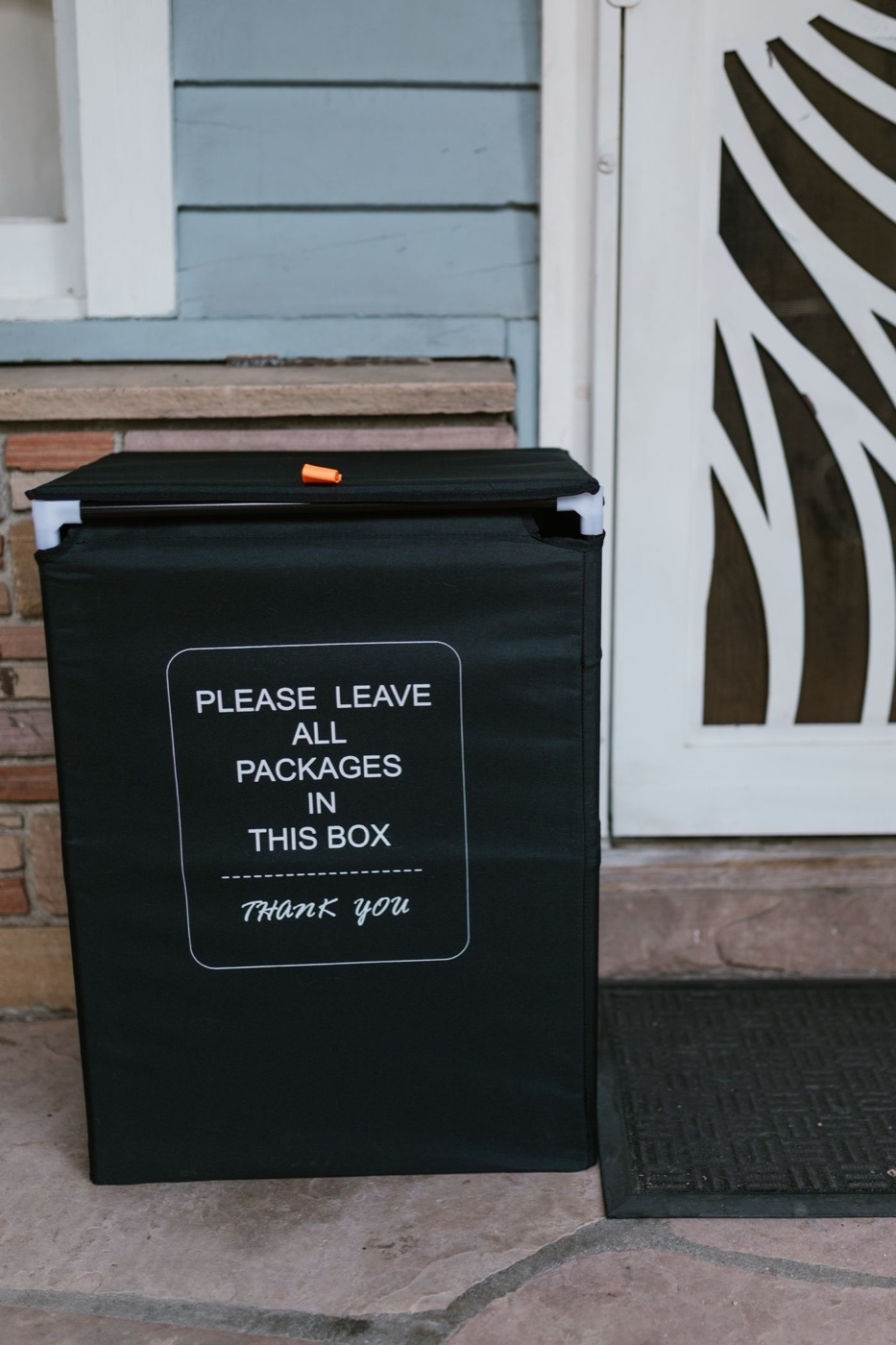
Princess Polly doesn’t sell a checkbox on its US shipping pages, and its support article shows what the unpaid version of this service looks like. First the choreography: check behind bins, pot plants, fences, under doormats, then with building management and neighbors, then wait the 5 days. After that, the sentence that actually governs: missing package claim refunds are at the discretion of Princess Polly, per its own support page. Discretion is the entire product difference. A protection plan converts a favor into a term.
Fashion Nova’s help center runs the same shape, asking you to reach out once a package has sat in transit for 7 or more days since the last tracking update. History adds a footnote here: in April 2020 Fashion Nova paid $9.3 million to settle FTC charges over slow shipments and for compensating people with gift cards instead of the refunds the mail order rules require, per the FTC’s press release. The regulator’s position in that settlement is worth keeping: when a seller can’t deliver, the default remedy is your money, not a stored balance that keeps you shopping.
Do you need shipping protection if you paid with a credit card?
Under the Fair Credit Billing Act, charges for items that weren’t delivered as agreed count as billing errors, and the FTC’s consumer pages say such errors must be disputed in writing within 60 days of the first statement carrying the charge. During the dispute you don’t have to pay the contested amount. A separate federal rule, the same Mail, Internet, or Telephone Order Rule behind an order that hasn’t shipped, requires sellers who miss their promised window to get your consent for the delay or send a full refund, which the FTC’s page distinguishes from a gift card or store credit.

Line those clocks up against the paid ones. Three days to document damage at Thursday. Five to thirty days for a stolen claim at Route. Sixty days, in writing, for the card dispute you didn’t pay extra for, and the remedy is cash back onto the card. The gap the fee genuinely plugs is narrow and real: a box scanned as delivered and then taken is delivered in the carrier’s data, and card issuers handle that scenario case by case, which is where a no-questions reshipment earns its keep. For a box that plainly never arrived, the free machinery is older, slower, and stronger.
| Standing on | What the page promises | Your deadline | What you get back |
|---|---|---|---|
| Retailer protection fee (Thursday) | Reshipment if in stock, else store credit; fee nonrefundable | 3 days for damage, lost per tracking clocks | Replacement or store credit |
| Route protection | Refund or reorder once definitions are met | Stolen: days 5 to 30; lost: 30 days from last update | Refund or replacement via Route |
| No add-on (Princess Polly) | Investigation after a 5 day wait | Before support closes the case | Discretionary |
| Credit card, FCBA | Billing error dispute for goods not delivered as agreed | 60 days, in writing | Charge removed from the card |

What we couldn’t read, and didn’t print
Our sample is the pages that opened. Oh Polly’s order protection article sits behind a help domain that returned 403 to this desk, so its terms aren’t in the table. UPS’s declared value pages timed out twice and its terms PDF wouldn’t extract, so we quote no carrier liability figure here, even though the DeMarco plaintiffs lean on exactly that layer. Capital One Shopping stayed unread for the same reason it did in our cash back portal audit. A fee this small deserves scrutiny this cheap, and the honest version of that scrutiny names what it couldn’t reach. Nothing in this piece says any retailer’s page is unlawful, and the lawsuit above is an accusation mid-flight, not a verdict.
So, the homework version of the advice: before you pay the $2.98, open the store’s protection page, find the three clocks that would govern your actual porch, and decide whether the delivered-then-stolen gap describes your building. Or skip the homework. Untick the box, pay with the credit card already in your hand, and let the sixty day clock you’ve owned all along do the worrying.
Sources read September 14 and 15, 2026, US routing except where noted: Thursday Boot Company’s package protection and FAQ pages, Route’s package protection policies in its shopper help center, Princess Polly’s delivered but not received support article, Fashion Nova’s help center shipping entries, the FTC’s consumer guidance on billing disputes and unordered products, the FTC’s April 2020 Fashion Nova press release, and Rebecca Tushnet’s February 2026 case note on DeMarco v. DNVB, Inc. Robots rules were checked for every domain before reading; blocked or broken pages are disclosed above rather than summarized from memory.