Is White Fox Good Quality | Don't Count the TikToks, Count the Cotton
White Fox hoodies are everywhere this October, and so is the question of whether they survive a wash. Everyone argues from anecdotes. We went to the one place the brand speaks in numbers, its own product pages, and read 30 of them line by line. The rack has more secrets than the comment section.
 ·
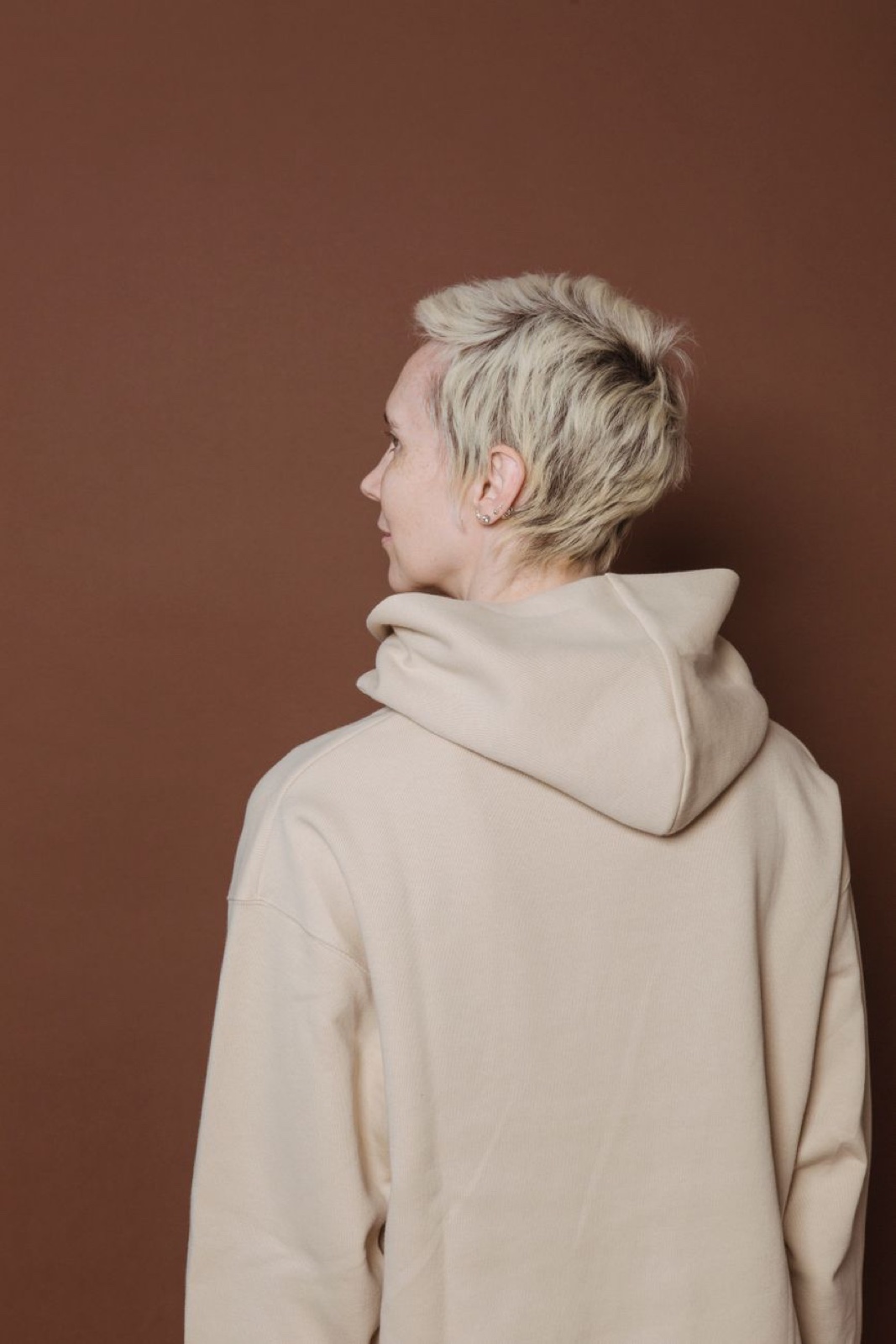
There are three popular ways to answer this question, and none of them survive contact with a checkout page. The TikTok haul can’t help you, because the person filming it has owned the hoodie for forty minutes. The star rating can’t help you either, because a 3.5 average blends fabric complaints with shipping delays and sizing regret into one number that describes nothing. And the Reddit thread cancels itself out, with one commenter swearing their hoodie has survived two years and the next one mourning lettering that peeled on wash one.
We’re in the same position you are. This desk works from Seoul, we have not bought a White Fox hoodie, washed one, or rubbed a cuff between two fingers, and we won’t pretend otherwise. What we can do is read, and White Fox publishes more than it probably intends to. On October 6, 2026 we pulled up the hoodie rack on the brand’s US store, 192 products deep, and read 30 distinct styles’ pages line by line, the way you would if you had an afternoon to burn instead of a feed to scroll.
The short version: the question “is White Fox good quality” turns out to be unanswerable as asked, because there’s no single White Fox hoodie. There’s a $69.99 price tag stretched over at least five different fabrics.
Are White Fox hoodies good quality?
White Fox’s own US product pages, read on October 6, 2026, print a fiber line on 16 of the 30 hoodie styles we checked, and the numbers swing from 90% polyester to 60% cotton at the same price. The clearest case is the Offstage Hoodie, one name, one $69.99 price, sold in colorways that are materially different garments:
| Offstage colorway | Materials line as printed | Price (US store) |
|---|---|---|
| Onyx | 65% Polyester 35% Cotton | $69.99 |
| Ocean | 65% Polyester 35% Cotton | $69.99 |
| Azure | 65% Polyester 35% Cotton | $69.99 |
| Mineral Grey | 65% Polyester 35% Cotton | $69.99 |
| Glacier Grey | 65% Polyester 35% Cotton | $69.99 |
| Moon | 50% Cotton 50% Polyester | $69.99 |
| Volcanic | 51.5% cotton 48.5% polyester | $69.99 |
| Cupcake | 53% Cotton 47% Polyester | $69.99 |
| Bubblegum | 60% Cotton 40% Polyester | $69.99 |
Pick the Bubblegum and you get a cotton-majority fleece. Pick the Onyx and nearly two thirds of your hoodie is polyester. Same pose. Same name. Same money. The With Love Always hoodie goes further, printing 90% Polyester 10% Cotton at $69.99, while the Season 7 and the archive Lexi sit around an even 50/51% cotton split.
The other 14 styles print no fiber content anywhere on the rendered page. We checked the full page text, not just the description block, and the words cotton and polyester simply don’t appear on pages like the Vivid Light or the printed Vol. 1 line. What those pages offer instead is copy, “crafted with a soft fleece interior,” an adjective where a number should be. The absences cluster, too. The styles that skip the Materials line skew heavily toward the printed, appliquéd and diamante-studded end of the rack, which is exactly the end where owners report trouble.
Is White Fox fast fashion?
White Fox is a Sydney-based online fast fashion retailer, founded in 2013, and the quality conversation around it is not new. In October 2025, reporting in The Greek Herald collected customer complaints about peeling lettering, thin fabric, poorly sewn pockets and garments damaged within a wash or two, including one shopper’s “$40 tee went down the drain” after a single wear. The brand gave that article no response. On ProductReview.com.au, the aggregate sat at 3.5 stars across 2,190 reviews when we checked this week.
Here is the counterweight, and it matters more than the pile-on suggests. A fabric blend that changes by colorway isn’t a scandal in itself. Heather and marle shades are usually spun around polyester, print bases hold a graphic better with synthetic content, and mills quote different cloths for different dye runs. Zara and H&M racks do the same dance. Polyester isn’t a slur either. A 65/35 poly-cotton fleece pills differently, dries faster and often holds its shape longer than a loosely knit cotton. None of the numbers above prove that any White Fox hoodie is badly made, and 2,190 reviews averaging 3.5 means a large crowd of people who are perfectly happy. What the numbers do prove is narrower and more useful: you can’t know which of five fabrics you’re ordering unless you scroll to the Materials line of your exact colorway, and on nearly half the rack there’s no line to scroll to.
Are White Fox hoodies worth the money?
At $69.99 on the US store, a White Fox hoodie costs more than some sellers who print every number they have. Los Angeles Apparel sells a 12 oz scour fleece zip-up for $80 and prints the weight and the blend, 99% cotton 1% polyester, in the first two sentences. Their 9 oz fleece pullover is $50, blend printed, 98% cotton. We’re not telling you the LA Apparel hoodie is better, we haven’t washed that one either. We’re pointing at the disclosure gap: one seller hands you weight and fiber before you pay, the other sometimes hands you a fiber line and sometimes hands you “soft fleece interior.”
Fabric weight is the number White Fox never prints. Not one of the 30 pages we read carries a gsm or ounce figure, so the thin-fabric complaints that fill the reviews can be neither confirmed nor refuted from the page. That silence is the real tax on your $69.99. You’re paying mid-market money with entry-market information, and the gap is where the one-wash horror stories breed. If you want the fuller method for reading a knit’s page before buying, we walked through it on a merino jumper label check, and the same discipline applies at Shein price points, where the review count is the thing doing the lying.

Is White Fox a good brand?
The verdict here belongs to you, because the deciding fact changes with every colorway in your cart. Our reading gives you the two-minute version of the homework. Open your exact product page, your exact color, and scroll past the styling copy to Materials. A printed blend in the 50 to 60% cotton range puts you in the better half of the rack. A 65% or 90% polyester line isn’t a defect, but it’s a different garment than the cotton one your friend reviewed, and their two-year hoodie tells you nothing about yours. No Materials line at all, and you’re shopping blind on the exact section of the rack, the printed and embellished styles, where the peeling-lettering complaints concentrate. We’d treat that as the page answering your question by refusing to.
We can read pages from here, but we can’t run your washing machine. That’s the honest limit of a desk in Seoul. What we can tell you is what the rack told us on October 6: five fabrics, one name, sixteen Materials lines, fourteen blanks, zero fabric weights. The hoodie costs $69.99.