Are Shein Reviews Real? Shein's Own Terms Price One at '17 Points'
A star average is laid out like a reading off a gauge. It is the output of a policy instead, and most of those policies are published. We read six of them on September 12, including the one that says what a review earns and the one that says who may take a review back down.
 ·
· 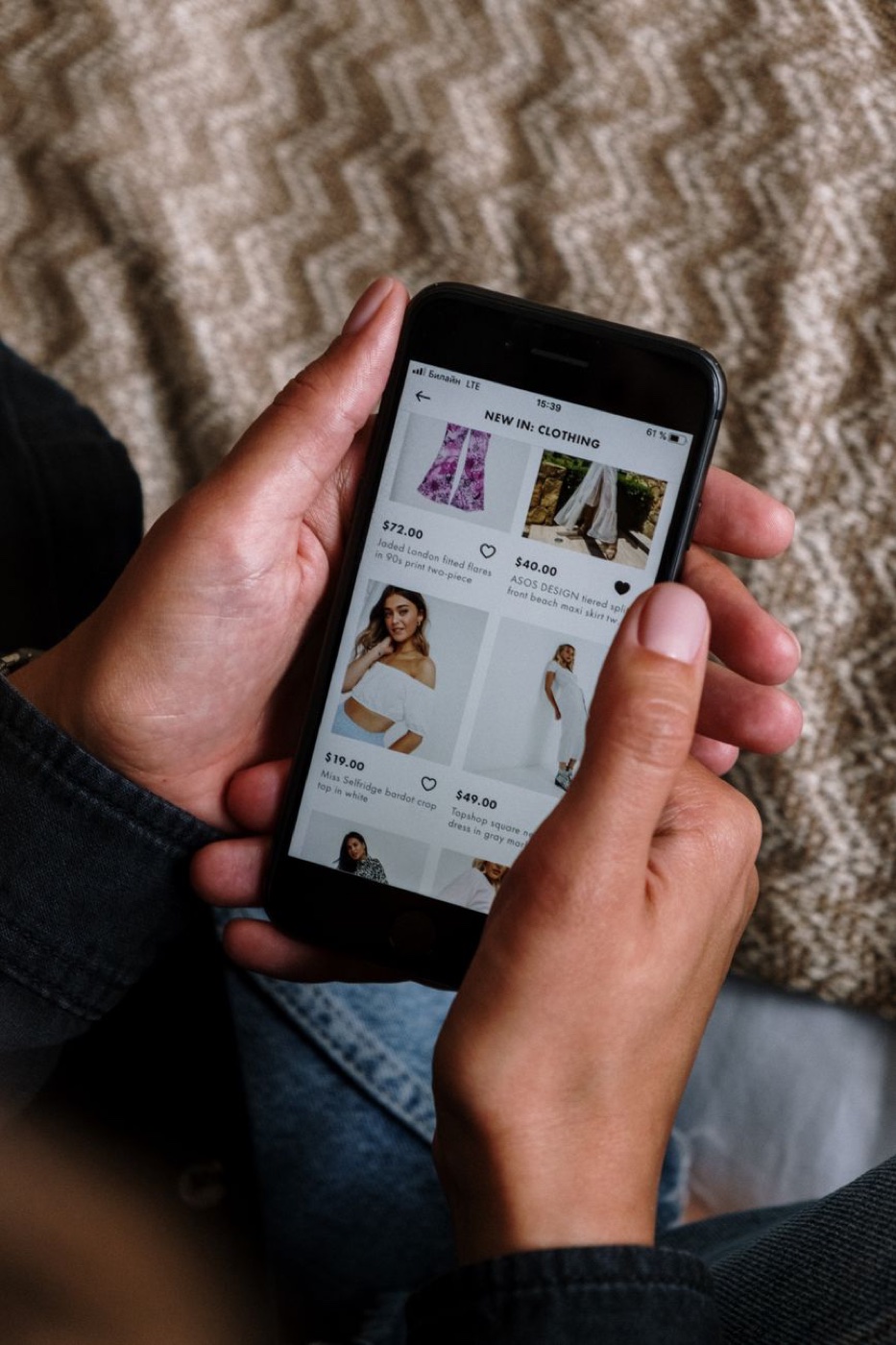
A star average is laid out like a gauge. Four point six out of five, a rating count beside it standing in for a sample size, the whole thing parked above the price in a slightly smaller font. Nothing about that layout was borrowed from garment testing. It was borrowed from instruments.
You are not reading an instrument. You’re reading the output of a review policy, and the useful thing about review policies is that a lot of them are published documents you can open.
So we opened them. On September 12 we read the two federal documents governing product reviews in the United States, the authenticity policy of the software company running reviews on a large share of fashion and beauty pages, and the terms two retailers publish about their own review systems. Nobody here posted a test review or bought anything.
How each one reached us, since that’s the part a reader can’t check later. Opened cleanly: Shein’s Bonus Point Terms, 6,437 characters of text, the Bazaarvoice Authenticity Policy at 19,512, Everlane’s terms at 36,318, and the two federal texts from govinfo’s CFR files at 15,116 and 73,155. Sephora’s own ratings and reviews help page returned a 403 to us, twice, as did its community forum, and Nordstrom’s customer reviews page answered with a shell carrying no text. Where we needed Sephora, we’re using Retail Dive’s reporting and saying so in the sentence.
Are Shein reviews real?
Shein publishes a price list for reviews in its own Bonus Point Terms, effective February 10, 2025. A review earns 5 points. A review with a photo of the product earns 10 more, for 15. A review that includes size information earns 2 more, for a maximum of 17 points per item. Points are also earned at roughly 1 per dollar spent, and they come off the next order, up to half of the total.
Two clauses do more work than the point values. The first is the return clause: if you earned points from an order and then send something back, “any Points earned from the order will be deducted, on a pro-rated basis, from your Points balance,” and the balance can go negative until you earn it back. The review that praised the dress pays only as long as you keep the dress. We’ve covered how store-credit currencies claw themselves back on a return before, and this is the same machinery aimed at something else.
The second is what the document lacks. Across all 6,437 characters, the terms never say what one point is worth in dollars, and never say a review earned this way will be marked as earned when it appears. We can’t tell you what Shein’s app shows next to those reviews, because we didn’t render a Shein product page.

Do companies pay for reviews?
Paying for reviews is legal in the United States, and the rule that outlawed fake reviews defines the payment carefully enough to make that clear. 16 CFR 465, the FTC rule that took effect on October 21, 2024, defines “purchase a consumer review” at §465.1(m) as providing “something of value, such as money, gift certificates, products, services, discounts, coupons, contest entries, or another review, in exchange for a consumer review.”
Then §465.4 bans a narrower thing. What it prohibits is compensation “in exchange for, or conditioned expressly or by implication on, the writing or creation of consumer reviews expressing a particular sentiment.” Sentiment is the hinge. Pay everyone who reviews and you’re inside the rule. The moment the money starts sorting for the happy ones, you’re not.
Labeling is a separate document and a weaker one. The FTC’s Endorsement Guides at 16 CFR 255 say at §255.5 that a material connection “must be disclosed clearly and conspicuously,” and they define that connection to include “monetary payment or the provision of free or discounted products,” and to apply “regardless of whether the advertiser requires an endorsement in return.” But §255.0(a) tells you what the Guides are: “administrative interpretations of laws enforced by the Federal Trade Commission,” providing “the basis for voluntary compliance.” A rule and a guide are not the same instrument.
Can companies delete bad reviews?
Rule 465 forbids a specific misrepresentation rather than deletion as such. Section 465.7(b) makes it unlawful to represent that the reviews shown “represent most or all the reviews submitted” when reviews are being suppressed based on their rating or their negative sentiment. The rule then lists what doesn’t count, and the test is even application: a retailer may withhold defamatory content, personal information, content it reasonably believes is fake, or content “wholly unrelated” to what it sells, so long as the criteria run the same way regardless of sentiment.
The private policy is blunter than the federal one. Bazaarvoice’s Authenticity Policy, which governs the review software behind a great many fashion and beauty pages, tells its own clients that they “are prohibited from rejecting content, or causing it to be rejected, solely on the basis of star rating or review sentiment,” that “neither Bazaarvoice nor client may edit the content in any way,” and that if reviews are expired, “content should be expired based on date and nothing else.” It also lists what has to carry a badge, and the list includes anyone who submitted content “in exchange for monetary payment or other valuable remuneration (free samples, coupons, discounts, loyalty rewards, contests, sweepstakes, etc.).”
Loyalty rewards. Written into the badge list by the industry’s own platform.
| Document we read | On paying for reviews | On labeling | On removal or editing |
|---|---|---|---|
| Shein Bonus Point Terms, eff. Feb 10 2025 | 5 points, 15 with a photo, 17 with size info | Not addressed | Points deducted pro rata on a return |
| Bazaarvoice Authenticity Policy | Permitted if “transparently disclosed” | Badge required, loyalty rewards named | No rejection by star rating, no editing, expiry by date only |
| Everlane Terms of Use | Not addressed | Not addressed | License to “use, copy, modify” your review, perpetual and irrevocable |
| FTC rule 16 CFR 465 | Legal unless conditioned on sentiment | Required only for officers and managers | Suppression by rating is a misrepresentation |
| FTC Endorsement Guides 16 CFR 255 | Material connection triggers a duty | “Clearly and conspicuously,” by guide | Not addressed |
Everlane’s entry is the one worth sitting with. Its terms fold product reviews into “Feedback” and take a “non-exclusive, worldwide, perpetual, irrevocable, fully-paid, royalty-free, sublicensable and transferable license” to “use, copy, modify, create derivative works based upon and otherwise exploit” it. Nothing we read suggests Everlane rewrites reviews. The sentence you agreed to permits it, and says nothing at all about how reviews get displayed.

What happened the one time a fashion retailer got caught?
Fashion Nova paid $4.2 million in January 2022, in what the FTC called its first case involving a company’s effort to conceal negative customer reviews. Per the agency’s complaint, the retailer used a third-party review management interface that automatically posted four and five star reviews while holding lower-starred ones for approval, and from late 2015 until November 2019 it never approved or posted the hundreds of thousands that piled up behind that gate.
Three years later the money moved. In January 2025 the FTC sent payments totaling nearly $2.4 million to 148,351 customers who filed a valid claim. Divide one by the other. A suppressed review, in the only case where anyone has been made to pay for suppressing one, came to about sixteen dollars a shopper.
Meanwhile the disclosed version keeps scaling. Retail Dive reported in October 2025 that when Sephora gave app users early access to a LoveShackFancy fragrance on September 18, the page already carried 361 reviews, all of them labeled incentivized at the time the publication checked. In the same reporting, Sephora’s BB and CC cream category held 19,866 incentivized reviews out of more than 30,000 on September 22, and filtering them out tells you how many remain without changing the average at the top of the page. Sephora declined the publication’s interview and comment requests. Kaitlin Woolley, a marketing professor at Cornell’s SC Johnson College of Business who has studied the effect, told Retail Dive that incentives raise review volume and that “the incentive itself changes the content of what people write and then also the rating that they apply to it.”

What should you read instead of the average?
Read the filter before the number. On sites that badge incentivized reviews, the count surviving the filter is the real sample, and the average at the top isn’t recalculated when you use it. Read the badges next: Bazaarvoice’s policy requires a content origin tag when a review was first submitted somewhere else, which is how a product that launched last week arrives with four hundred reviews attached. Read the dates, since expiry by date is permitted and an average can quietly shed its oldest complaints.
Then read the one and two star text, which under rule 465 is the material a retailer is least free to remove selectively, and which tends to be where sizing and fabric complaints live. Our piece on what a retailer’s own size charts do and don’t promise covers the other half of that problem.
Here’s the limit. We read documents, not screens. Six rendered for us and several didn’t, we saw no Shein or Sephora product page ourselves, and a policy saying clients may not edit reviews is a promise rather than an audit. What the documents do establish is narrow and firm: the payment is legal, the labeling is mostly voluntary, and the removal rules are written by the companies being governed.
Which brings back the gauge. There’s no instrument there, and there never was, but that isn’t the same as the number being worthless. It’s a reading of how a company runs its review program, which is a genuinely useful thing to know about a company, and a very poor description of a coat.