Marshalls, Nordstrom Rack, Burlington: Three Return Counters, Three Rulebooks (the Fourth One Closed While I Was Reading)
Saks Off 5th's shoppers are scattering to the other off-price chains, and the counters they're landing at don't share a grammar. I pulled all the return pages on August 25: one prints dollar caps, one prints no caps at all, and one pays your receipt-less return at the lowest price the item ever hit.
 ·
· 
On August 25 I went looking for Saks Off 5th’s return policy and found a goodbye letter instead. The returns page is gone. In its place the site thanks you for your “incredible support,” notes that “our digital doors are closing,” and points to a store locator. The e-commerce arm was liquidated in bankruptcy court this January, and most of the physical stores are closing too.
Retail Dive says those shoppers aren’t quitting off-price, just relocating, mostly to Nordstrom Rack and the TJX stores. So I read the rulebooks waiting for them at the other three counters, same day, all from the stores’ own pages. We haven’t run anything through these registers. The fine print was enough.
| The counter | With receipt | Without receipt | Mail-back fee |
|---|---|---|---|
| Marshalls (in store) | Refund within 30 days | Merchandise credit + photo ID | $11.99 per package, online orders only |
| Nordstrom Rack | Refund within 40 days, store or online | No path printed | $9.95 per label, free in store |
| Burlington | Refund within 30 days | Credit at lowest selling price + photo ID | No mail returns printed |
Three stores, and the only rule they share is that a receipt is worth actual money. That’s the whole overlap.
What is Marshalls’ return policy without a receipt?
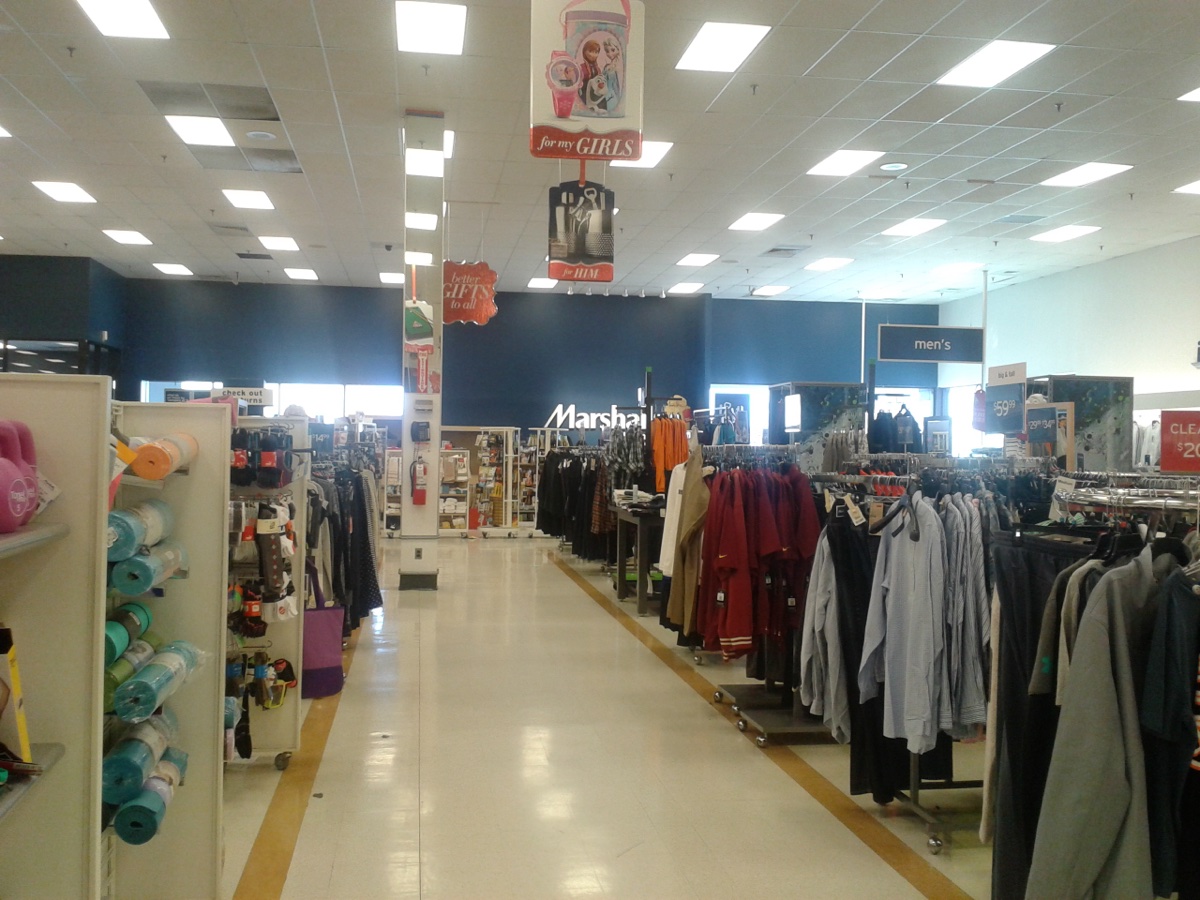
Marshalls pays no-receipt returns in merchandise credit only, and it wants a government-issued photo ID, your name, address and signature before printing the credit. The name on the credit has to match the ID. If that sounds familiar, it should: Marshalls and T.J. Maxx are both TJX, and the Marshalls policy pages print the exact caps I found when I read T.J. Maxx’s fine print: nothing over $1,000 comes back in store, no handbags or footwear over $499.99, no long occasion gowns, no opened beauty. Same 30-day store window, same 40-day online window, same $11.99 mail fee. One clause is the tell that this is house law, not chain courtesy: items bought at Marshalls “may not be returned to T.J. Maxx or any of our other sister brands.” Sibling stores, sealed doors.
What is Nordstrom Rack’s return policy after 30 days?
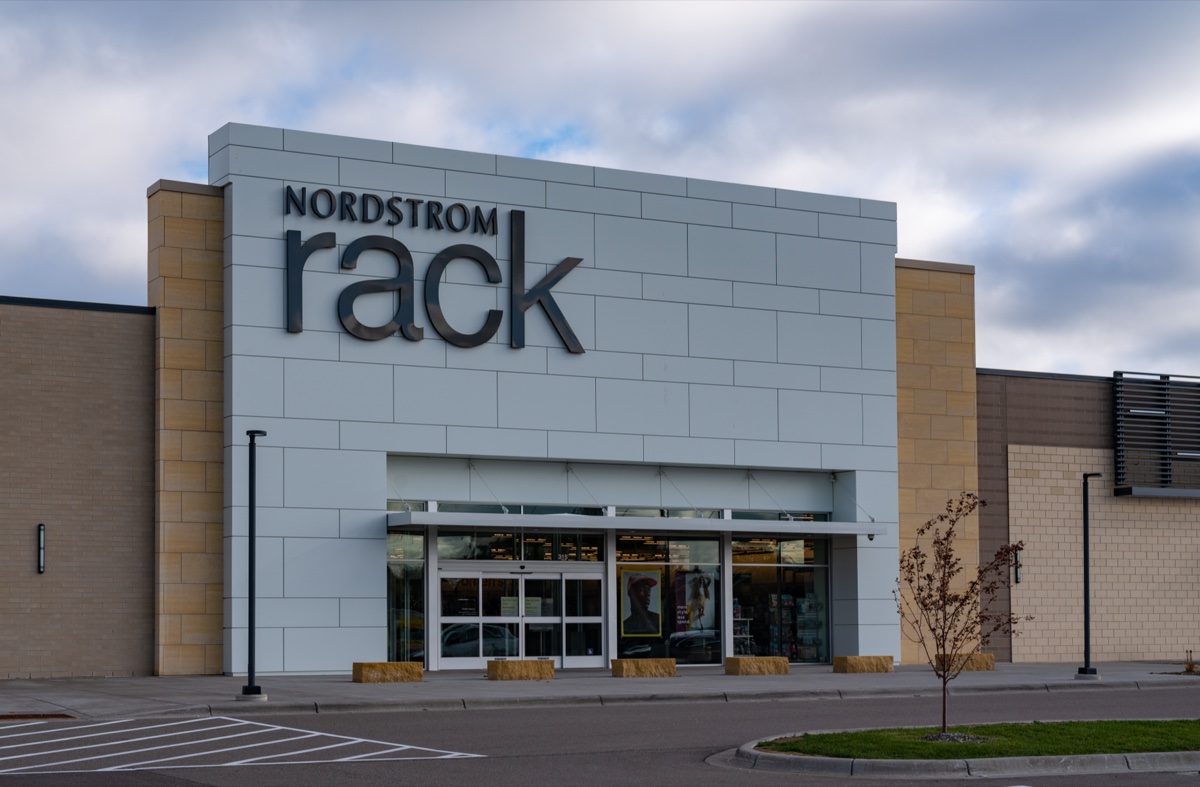
Nordstrom Rack runs a flat 40-day window on both store and online purchases, so day 31 still gets a full refund to your original payment. It’s the only clock here that doesn’t split store and online. And its policy page prints no dollar ceiling anywhere: no $499.99 line, no gown clause. That’s an absence, not a promise, and the page guards the door differently, with a receipt requirement, a Final Sale carve-out, and a warning that suspected resellers get refused outright. Where TJX seals its sibling doors, the Rack props its open: an eligible Rack purchase returns free at any Nordstrom Rack or Nordstrom store, and mailing it back instead costs $9.95 off the refund. I keep the running list of who charges for the mail door, and I’ve already argued the Rack’s quality panic is overblown. Its counter is the softest of the three. I didn’t expect that.
What is Burlington’s return policy without a receipt?
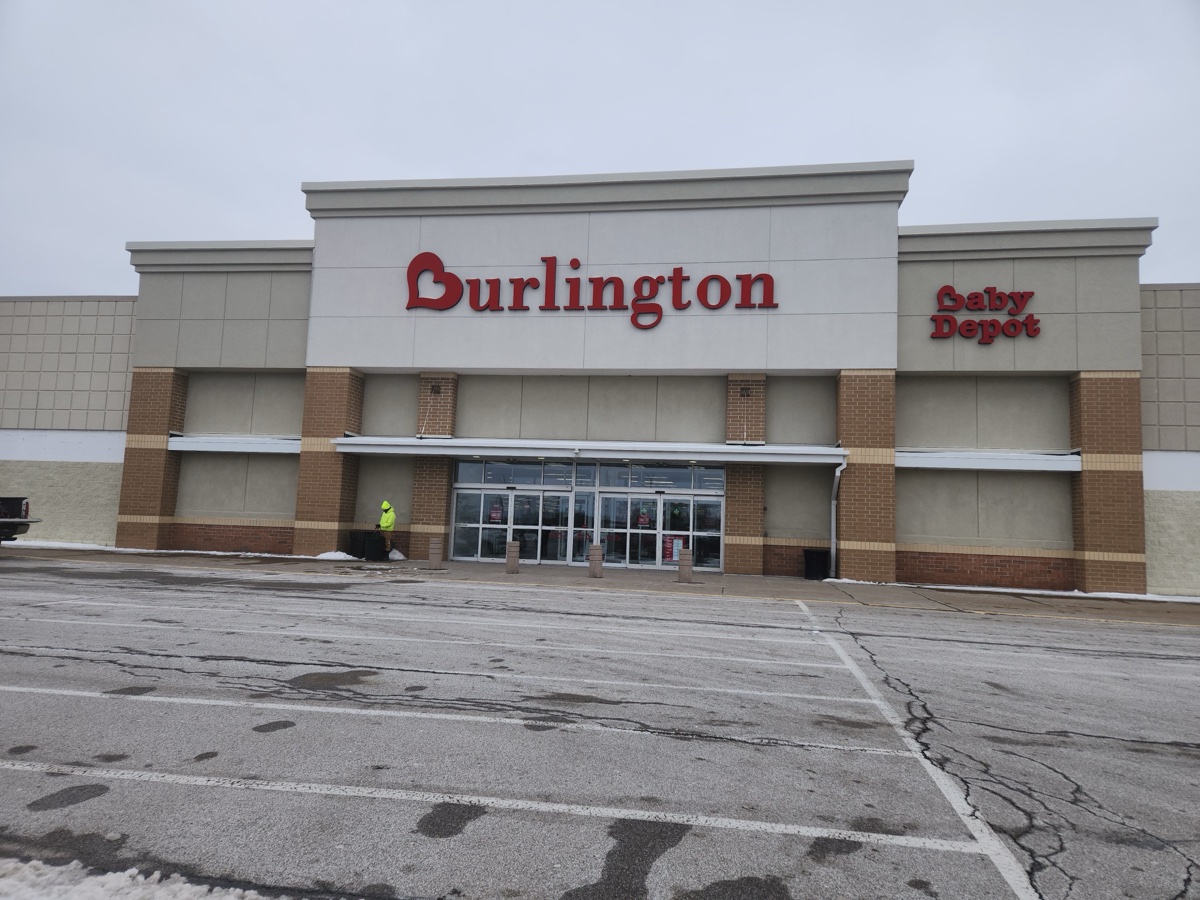
Burlington pays no-receipt returns in merchandise credit at the lowest selling price the item has hit, checks a photo ID, and runs the transaction through what its return policy calls “a third party verification process and system approval,” a processor that logs your ID information and return history where the law allows. Read that pricing rule twice, because in a markdown store it has teeth. The blazer you paid $59.99 for may credit back at its clearance floor. Receipted returns get 30 days for a real refund; after that it’s credit, and the jewelry counter runs its own regime: original store only, 30 days, stretched to 45 if you’re a loyalty member. That last one is the only place in all four rulebooks where a membership buys you time.
None of this is an argument to stay home. It’s an argument to match the store to your habit. If you buy piles and decide in your bedroom, the 40-day single-clock counter suits you better than the one that reprices your regret at clearance depth. If you lose receipts, off-price is a store-credit subscription no matter which door you pick. And if the migration has you trying a new chain this fall, read its counter before you trust your old reflexes. Somewhere between my first tab and my last, the fourth rulebook stopped being a rulebook at all.