Which Stores Charge for Returns in 2026? The Sentence Ten Help Pages Would Rather You Never Found
One retailer answers the fee question in four words. Another takes $11.99 off your refund. On August 20 we read ten returns pages line by line and copied out the sentence each one buries, before fall try-on season starts sending the boxes back.
 · · Updated September 1, 2026
“Are there restocking fees? No.”
Nordstrom asks itself that question and answers it in one word, on its own returns page, in its own FAQ. T.J. Maxx’s page lands on a different figure: $11.99 for “shipping and handling,” taken out of the refund before it reaches your card. Ten US retailers keep a sentence like one of those two somewhere on a help page, and the sentence is built to be skipped. Nobody quotes it in the checkout flow. It surfaces when the refund comes up short.
We read all ten pages on August 20 and copied the fee line out of each one, as each page stood that day. (Most news coverage of return fees dates from last December’s gift-return panic, and the pages have moved since. Policies rot faster than the articles about them.) The whole answer, up front: seven of the ten deduct a fee from a mailed-back refund, the fees run from Zara’s $4.95 to T.J. Maxx’s $11.99, the unit each store counts is stranger than the amount, and every retailer on the list with a physical door takes the same item back over the counter for free. What follows is the expansion, with the Labor Day orders that shipped in two sizes now sitting in hallways, waiting for a decision.
Which stores charge for returns in 2026?
Seven of the ten retailers audited here deduct a mail-back fee from the refund, running from Zara’s $4.95 to T.J. Maxx’s $11.99, while Nordstrom, Quince and Gap print no mail-back fee at all on the pages read for this table.
| Retailer | Mail-back fee | Window | The free route |
|---|---|---|---|
| Nordstrom | none (“Are there restocking fees? No.”) | “no time limits” | mail or any store |
| Quince | none | 365 days from delivery | mail (no stores) |
| Gap | no fee line on its policy FAQ | 30 days from delivery | store; “some Encore Members” get longer, for credit |
| Zara | $4.95 “per return request” | 30 days from shipment | any Zara store |
| H&M | $5.99 flat, “all mail-in returns” | postmarked 30 days from delivery | any US H&M store |
| J.Crew | $7.50 off your refund | 30 days | any J.Crew store, or a free exchange |
| Shein | first return per order free, then $7.99 | 30 days from delivery | Happy Returns drop-off, first round |
| Nordstrom Rack | $9.95 “per pre-paid shipping label used” | 40 days from order | any Nordstrom or Rack store |
| Macy’s | $9.99 plus tax for non-members | 30 days | in store, or free shipping for Star Rewards members |
| T.J. Maxx | $11.99 shipping and handling | 40 days from order | any T.J. Maxx store |
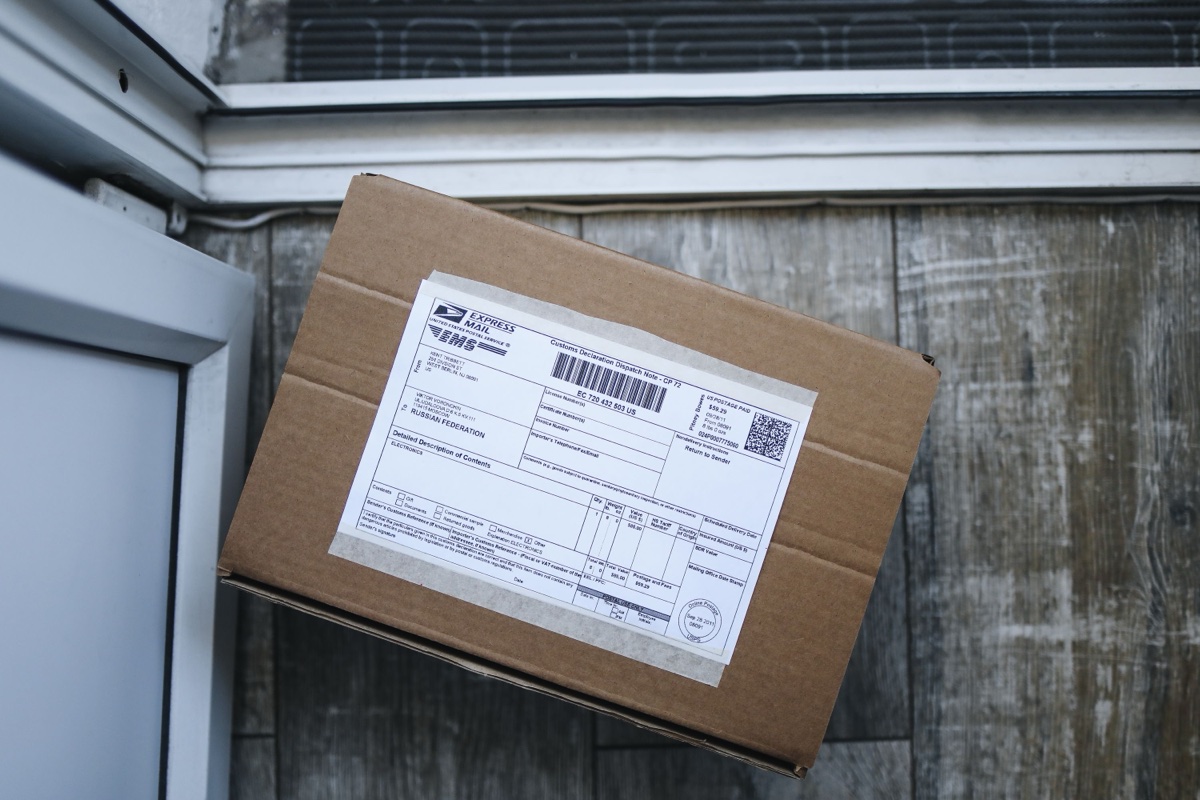
Every quoted phrase sits verbatim on the retailer’s own page as of the August 20 read. The spread is wider than the fee headlines suggest. The bottom rung charges nothing forever, and the top rung takes $11.99 off a refund at a store where plenty of hangers cost less than that. Return one $12.99 blouse to T.J. Maxx by mail and you get a dollar back.
Do return fees count per item, per order, or per label?
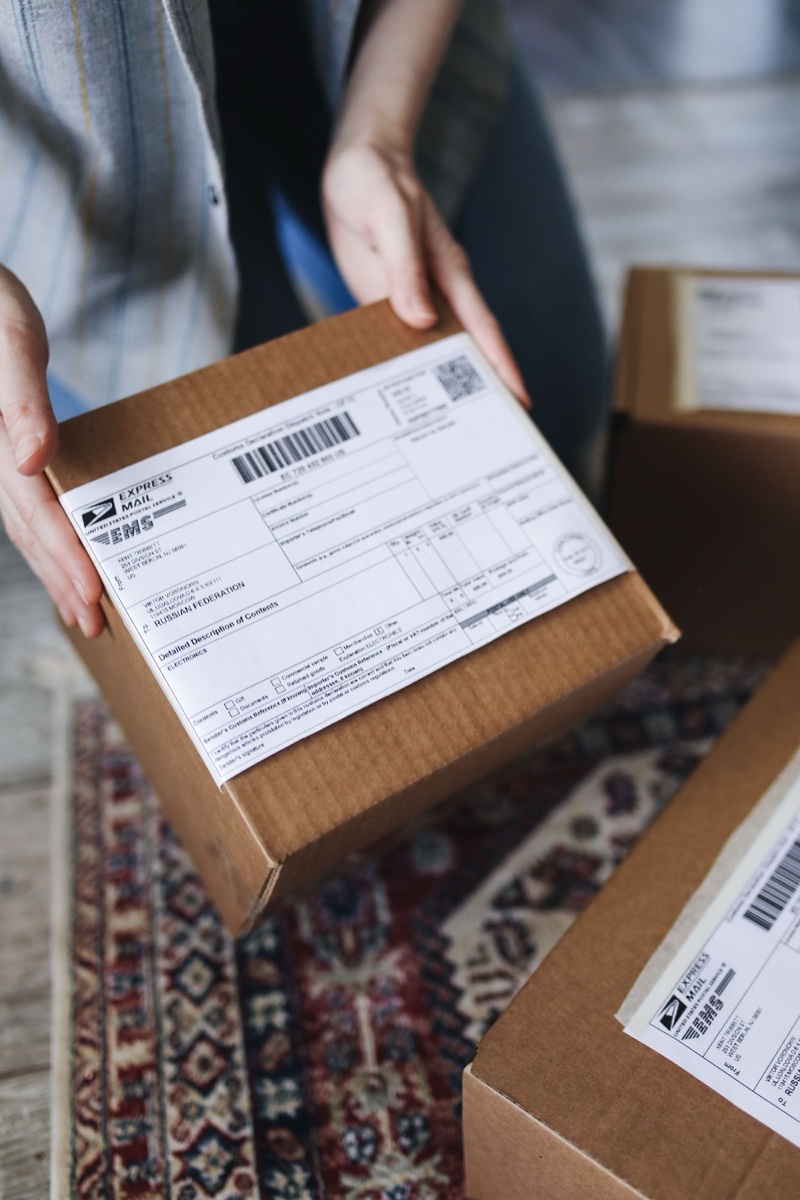
Return fees at these ten stores meter three different units, per request at Zara, per shipping label at Nordstrom Rack, per order at Shein, and the unit decides the bill more often than the dollar figure does. Zara’s $4.95 covers “per return request,” so one request holding three items costs $4.95 total. Nordstrom Rack charges $9.95 “per pre-paid shipping label used,” which is fine until two orders produce two labels. H&M’s $5.99 is flat, “all mail-in returns.” And Shein’s meter runs per order: the first return from an order is free, the second from that same order is $7.99, a structure built for people who send things back in waves.
The practical version: if you’re bracketing sizes, put everything in one box, under one request, on one label. Say you ordered a jacket in two sizes from Rack and, a day later, added the matching pants in a separate order, and now two prepaid labels sit in your inbox. That’s $19.90 gone, for the identical armful of clothes that one combined return would have sent back for $9.95. No policy page will stop you from doing it the expensive way. (We looked for a warning on Rack’s page. There isn’t one.) The arithmetic is left as an exercise. The exercise pays the carrier.
A second asymmetry, and J.Crew prints this one plainly: mailing back a return costs $7.50, but an exchange for another size of the same item ships free. The store would rather move your money sideways than give it back, and it’s priced the two doors accordingly. Macy’s built its door out of membership instead. Star Rewards members mail back free, non-members pay $9.99 plus tax, and joining costs nothing, which makes that fee less a shipping charge than a tax on not having an account.
How do you avoid paying a return fee?
Walking the item into a store erases the mail-back fee at every retailer on this list that has doors, and each one says so in writing: Zara “free of charge in any of our Zara stores,” H&M “in-store returns are always free,” Macy’s in the identical sentence, T.J. Maxx “absolutely free in store,” and Rack items can go to any Nordstrom or Rack register. Call the fee what it is, a courier charge for our collective laziness, and the one charge on this page you can always refuse.
Who can’t refuse it: anyone shopping brands with no doors, which is Shein (no US stores) and Quince (none anywhere). One solved that with a first-return-free rule and the other by making returns free for a full year, and you can draw your own conclusion about which model expects you to keep the clothes.
Two caveats before you screenshot the table. Windows have conditions: everything above assumes unworn, unwashed, tags on, and Zara’s 30 days run from shipment, not delivery, which quietly shaves the transit days off your deciding time before the box has even reached your door. Nordstrom’s “no time limits” isn’t a dare either, since the same page says returns are handled “on a case-by-case basis.” And four brands we wanted to include (Uniqlo, Abercrombie, Old Navy, ASOS) block automated readers from their policy pages, so we couldn’t verify their numbers at the source and won’t quote them here. Secondhand reports put all four in the $4.95 to $7 range. Treat that as rumor with good posture.
Now zoom out, because your $9.99 has an industry sitting on top of it. The National Retail Federation projects that 19.3 percent of online sales will come back this year, roughly $850 billion in merchandise across retail, and 82 percent of shoppers tell the same survey that free returns matter when they decide where to buy, up from 76 last year. Stores heard that, and a growing share of them charged anyway. When the NRF asked merchants why, the top answers were the cost of processing returns, carrier shipping costs, and tariff risk, at 40, 40, and 33 percent. Fair enough. Ten quiet sentences on ten help pages are how $850 billion of second thoughts gets billed. One of them is about your blouse.