Tartan vs. Plaid vs. Check, the Border Dispute Scotland Put in Writing
Four words, one woven grid. The kilt trade wants a clan, a fall shopping list buys 'bold checks' while skipping gingham, and Scotland keeps a one-sentence statutory definition shorter than either sales pitch. Which word your shirt answers to depends on whose door you're standing at.
 · · Updated September 3, 2026
The version of tartan you’ve been carrying around works like a doorman: somewhere at the top of the checked-pattern family, the story goes, hangs a rope, and behind it wait clan cloth, woven bloodlines, names kept in a Highland register, nothing the flannel shirt you’re holding in the fitting room could ever join. Below the rope stand the commoners: plaid, check, gingham, you.
Scotland’s actual law keeps no such door. The Scottish Register of Tartans Act 2008, the statute behind the country’s official register, spends one sentence on its whole definition: “a design which is capable of being woven consisting of two or more alternating coloured stripes which combine vertically and horizontally to form a repeated chequered pattern.” That’s it. Two or more colours, crossing, repeating, and the register’s own FAQ page carries the same wording without adding a syllable about ancestry. The strictest ruling anyone in this argument can produce turns out to be the easiest one to pass.
Does a tartan have to belong to a clan?
Nothing in the Scottish Register of Tartans Act 2008 ties tartan to a clan, a family, or any heritage minimum at all. The clan requirement lives one level down, in the sales copy. Glasgow kilt outfitters MacGregor and MacDuff draw their line at ancestry: tartan is checked cloth that, “importantly, is associated with a clan.” Strathmore Woollen, a Forfar mill stocking over 400 tartans, agrees and extends the guest list to any “specific Scottish clan, district, military regiment, or organisation.” The rope reappears both times in the mouth of somebody with a till. And the list is younger than it sounds: per Wikipedia’s account of the Highland revival, the idea that tartan colours carry meaning is “purely a modern one,” largely a 19th-century invention.
To be fair to the outfitters, their rule is real information inside kilt commerce: clan association tells a MacGregor which of 400 bolts to order, the Act governs the official register rather than the sales floor, and nobody’s citing statute at a wedding fitting. The trouble starts when the shop definition walks out of the shop and starts bouncing shirts.
What is the difference between tartan and plaid?
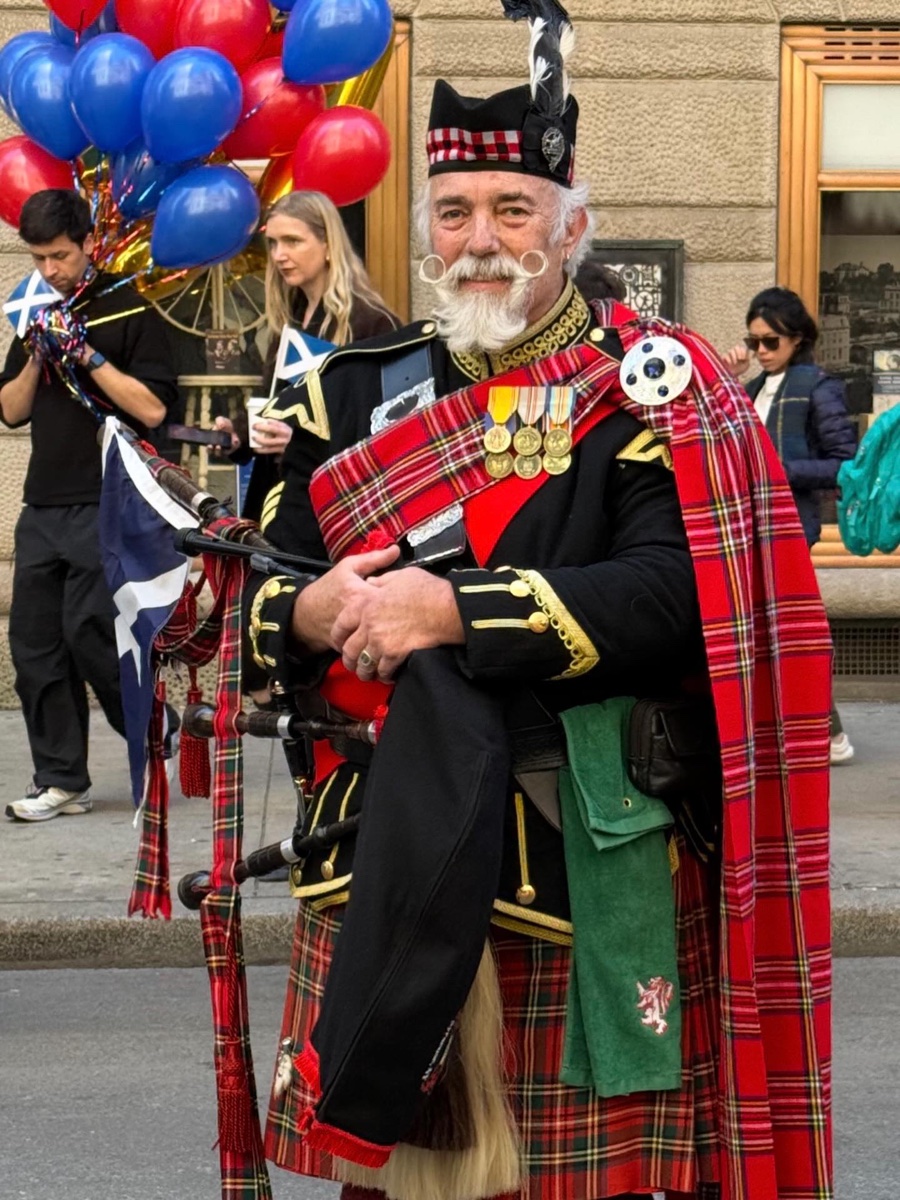
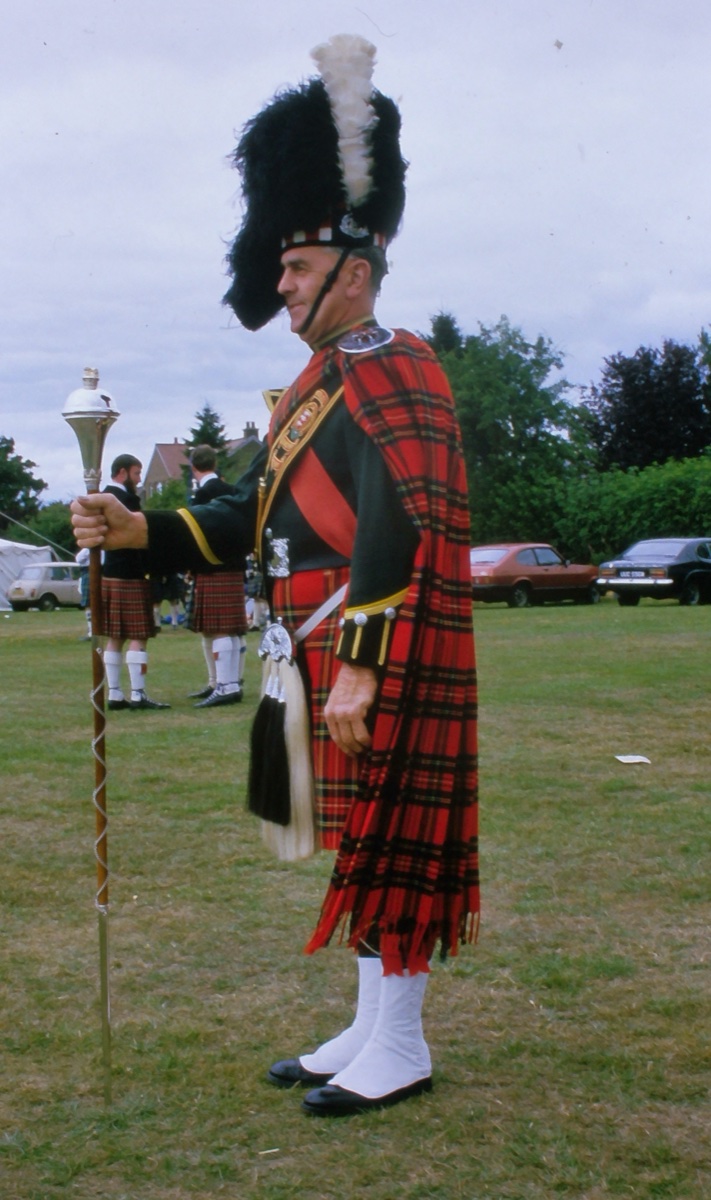
In Scotland, tartan is the cloth and plaid is the garment, the long rectangle of tartan pinned over the shoulder of a kilt outfit. You’d buy “a” plaid from MacGregor and MacDuff, never “some” plaid, and their accessories menu files Plaids & Brooches between the kilt pins and the pocket squares. American usage slid the word off the garment and onto every checked cloth in the building, which is why the shirt in your drawer answers to plaid at the checkout.
_(3).jpg)
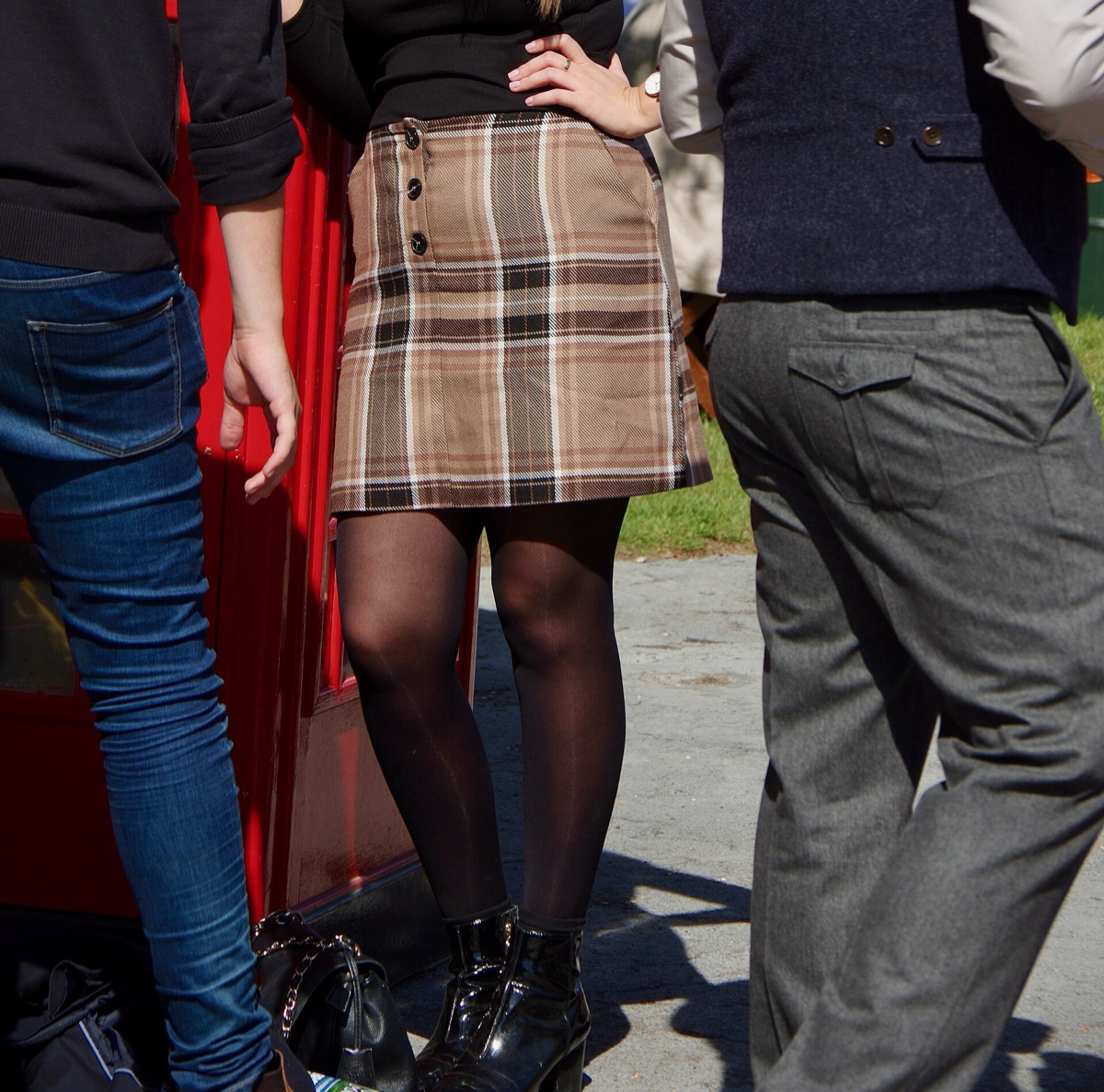
So the words sort price tags, and shoppers are working that out in real time: the autocomplete under “tartan vs plaid” keeps extending to vs check, vs checkered, vs gingham, vs flannel. FashionUnited’s pre-fall report called “plaid and checks” the key patterns of the season, then reached for tartan exactly when the hanger read McQueen or Etro. Who What Wear’s fall shopping list, published July 25 by associate shopping director Judith Jones, runs the checkout register instead: a Reformation Owen Plaid Jacket, a Mango plaid dress, a Dôen top in a colorway named Alderbrook Plaid, and no tartan anywhere on the page. Same grid, three price brackets, two vocabularies. We watched barn jackets pull the same trick last season.
That list guards a rope of its own. Jones sorts the season into eight things she’s buying and eight she’s skipping, with “bold checks” on the buy side because “as we transition into fall, plaids and checks are making their way back into the spotlight,” and gingham in the skip pile. Gingham is a check. The line runs straight through one pattern family, and nothing on the page says where it hangs.
Worth chasing this fall? When we cross-referenced four fall trend lists, plaid was one of exactly two calls all four agreed on. And per FashionUnited’s runway notes, Chanel’s pre-fall check arrived as Look 43, an oversized plaid flannel shirt rebuilt in bouclé. The doorman was invented by the people selling entry. The one authority that actually keeps tartan’s register never asked for a surname, and the biggest house on the runway just walked a flannel shirt past the rope. You were already inside.