What Color Is Camel? Four Coats, Four Camels, and a Dictionary That Won't Pick One
We pulled the product photos behind four coats that print Camel on the color line and measured the pixels. The hue agrees. Almost nothing else does, and the one coat actually made of camel refuses the word entirely.
 ·
· 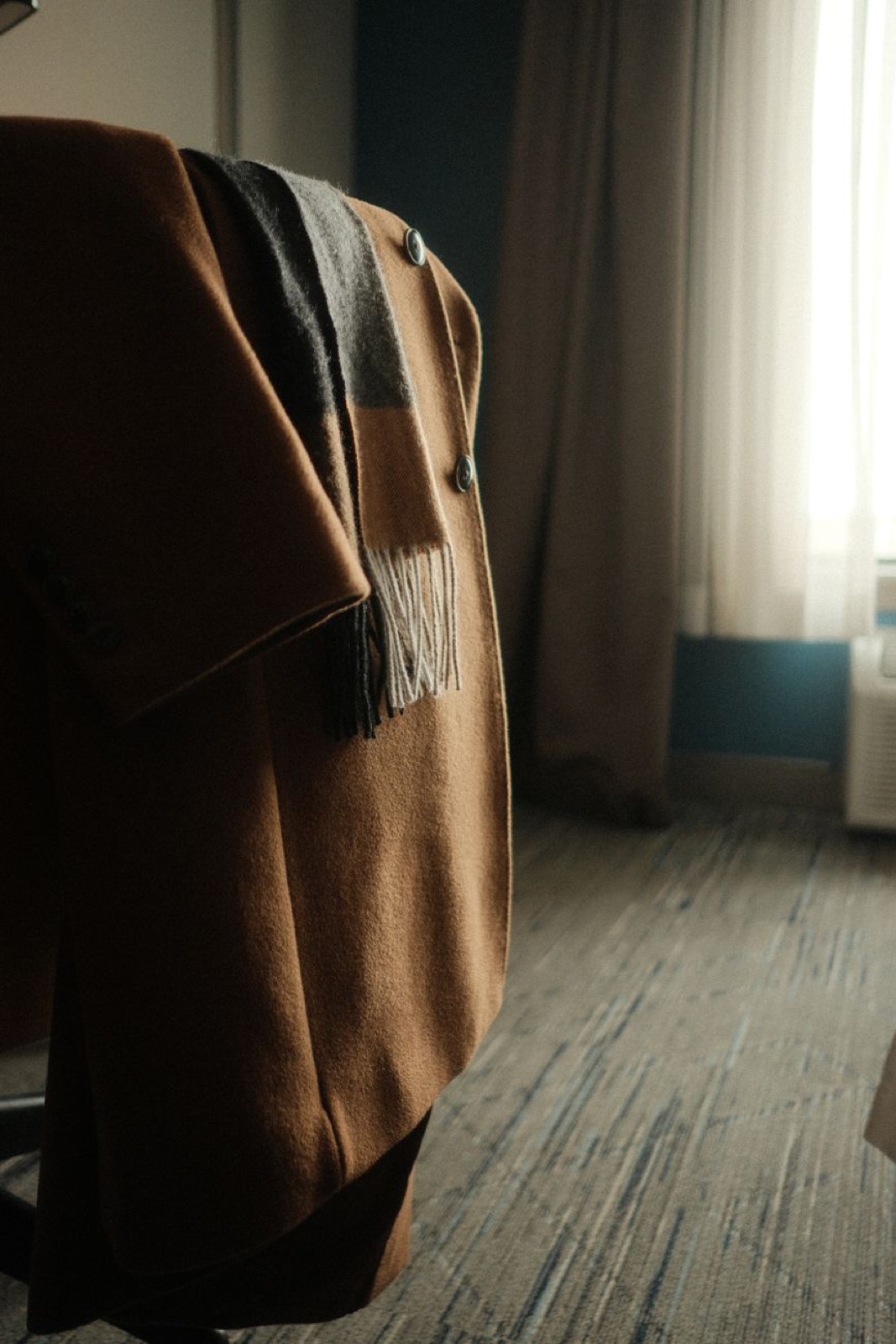
You have three tabs open. Each one is a wool coat, each one costs real money, and each one prints the same word on the color line: Camel. On your screen the first is golden, the second is closer to khaki, and the third looks like milky coffee. You came here to settle which one is the real camel before you spend $200 on the wrong brown.
We couldn’t settle it either, so we did something slightly unhinged about it. On October 2, 2026 we pulled the product pages of four coats that currently sell under the name Camel, downloaded the photos those sellers chose to publish, and measured the pixels. Two or three flat patches of fabric per coat, median values, no retouching on our end. Standard desk caveats apply here. Nobody at ThreadGloss has handled any of these coats, nobody paid us, and a measured photo is a measurement of the photo, not of the wool. Studio lighting moves color. But the photo is also the only thing you can see from your couch, which makes it exactly the evidence that decides your purchase.
What color is camel, according to the people selling it?
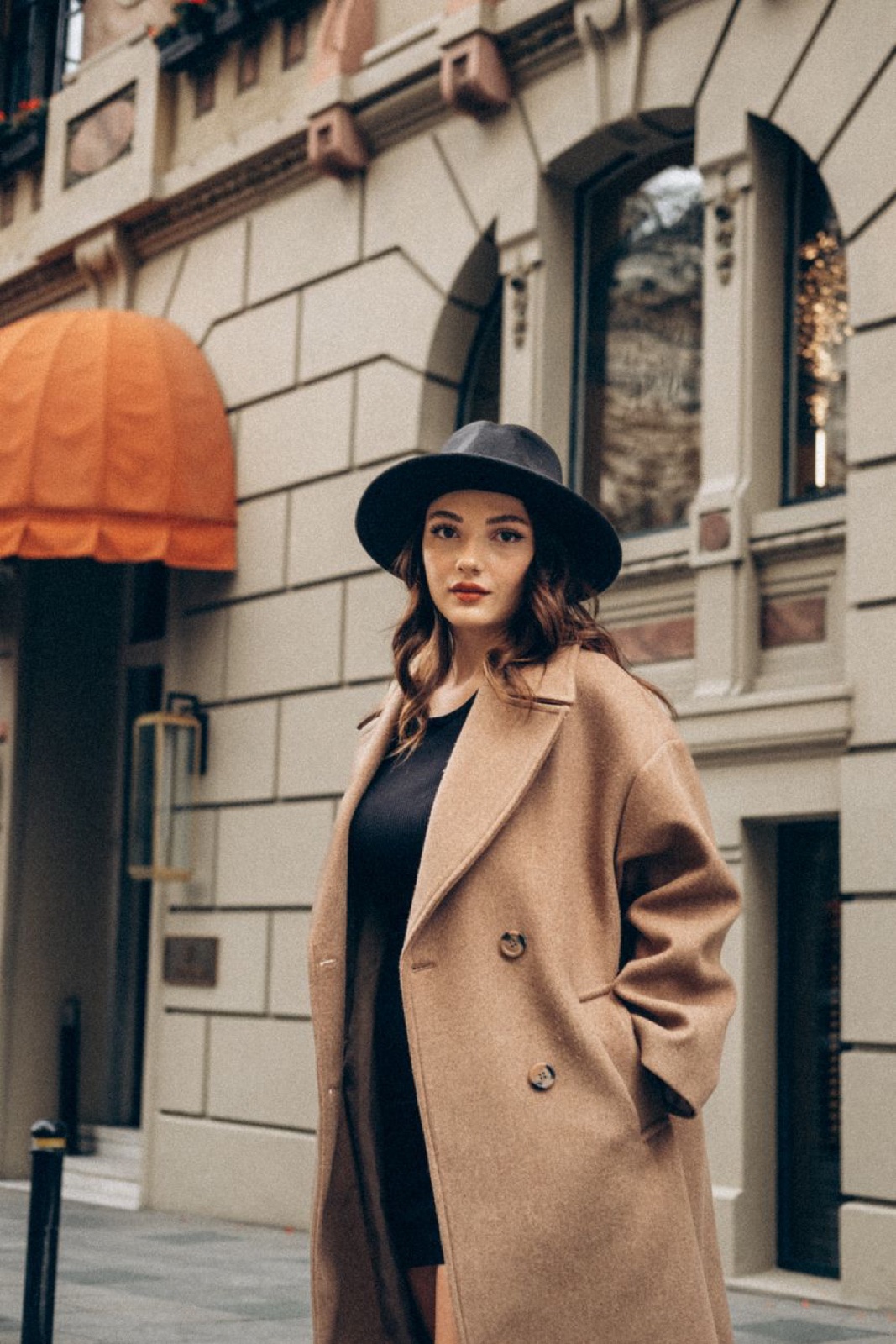
Camel, as printed by three sellers in October 2026, spans a measured lightness range of 42 to 55 out of 100 and a saturation range of 23 to 42 percent, which in plain words runs from a khaki-leaning golden brown to a pale milky greige. We measured four live listings whose color line literally reads Camel, or a Camel variant, and logged the median garment pixel as a hex code. Prices are what each page displayed on the reading date, with the seller’s own struck-through number where one was printed.
| Coat | Printed color name | Price as printed | Measured pixel | Hue, saturation, lightness |
|---|---|---|---|---|
| Everlane, The Italian ReWool Cocoon Coat | Camel | $139, struck from $348 | #A97A53 | 27°, 34%, 49% |
| Boden, Edale Belted Coat | Camel | $204, struck from $340 | #996E3E | 32°, 42%, 42% |
| John Lewis, Single Breasted Wool Blend Coat | Camel | £129 | #A3846A | 27°, 24%, 53% |
| Everlane, The October Coat | Dark Heathered Camel | $103, struck from $228 | #A58D70 | 32°, 23%, 55% |
Read down the hue column and the word suddenly looks honest. Every camel in the table sits in a narrow band between 27 and 32 degrees, the slice of the wheel where yellow has just given up on becoming orange.
That part of the promise holds across every seller we measured.
Read the other two columns and the agreement collapses. Boden’s camel is the darkest and the most saturated coat in the row, a mustard-adjacent brown that our screen reads as nearly olive. John Lewis prints the same word on a coat eleven lightness points paler and barely half as saturated, the color of coffee that took too much milk. Those two coats match in name and in almost nothing your eye actually processes. If you ordered one expecting the other, the disappointment on your doorstep was printed into the system months ago, in a merchandising meeting you weren’t invited to.
Is camel the same as tan?
Camel and tan have no official boundary, because no dictionary, regulator or seller we read is willing to print a coordinate for either word. The fiber line on a garment is governed by federal labeling law, which is a story we’ve told before. The color name sits in the same unregulated space as drapey and luxurious.
Any brown a brand can photograph is a legal camel.
The reference shelf doesn’t rescue you, and we say that having read it. Dictionary.com defines the color as “a color ranging from yellowish tan to yellowish brown,” a definition that’s itself a range, not an answer. The Collins entry republished on the same page calls it “a fawn colour,” offering “a camel dress” as its example. Cambridge barely concedes camel is a color at all. Its clothing sense defines the word as cloth, “a soft, pale brown cloth made from wool and used to make coats.” Three dictionaries, three species of answer: a range, a different animal’s shade, and a fabric.
Even the seller side of the argument quietly agrees the word is loose. In the code behind Everlane’s Camel cocoon coat, the product that says Camel to you is filed under an internal tag that says Tan. One page, two browns, zero contradiction as far as anyone at Everlane is concerned. We’d call that the correct level of confidence in these words, and we made a similar argument about brown itself when the trend machine tried to pin it down.
Does “dark” camel mean a darker coat?
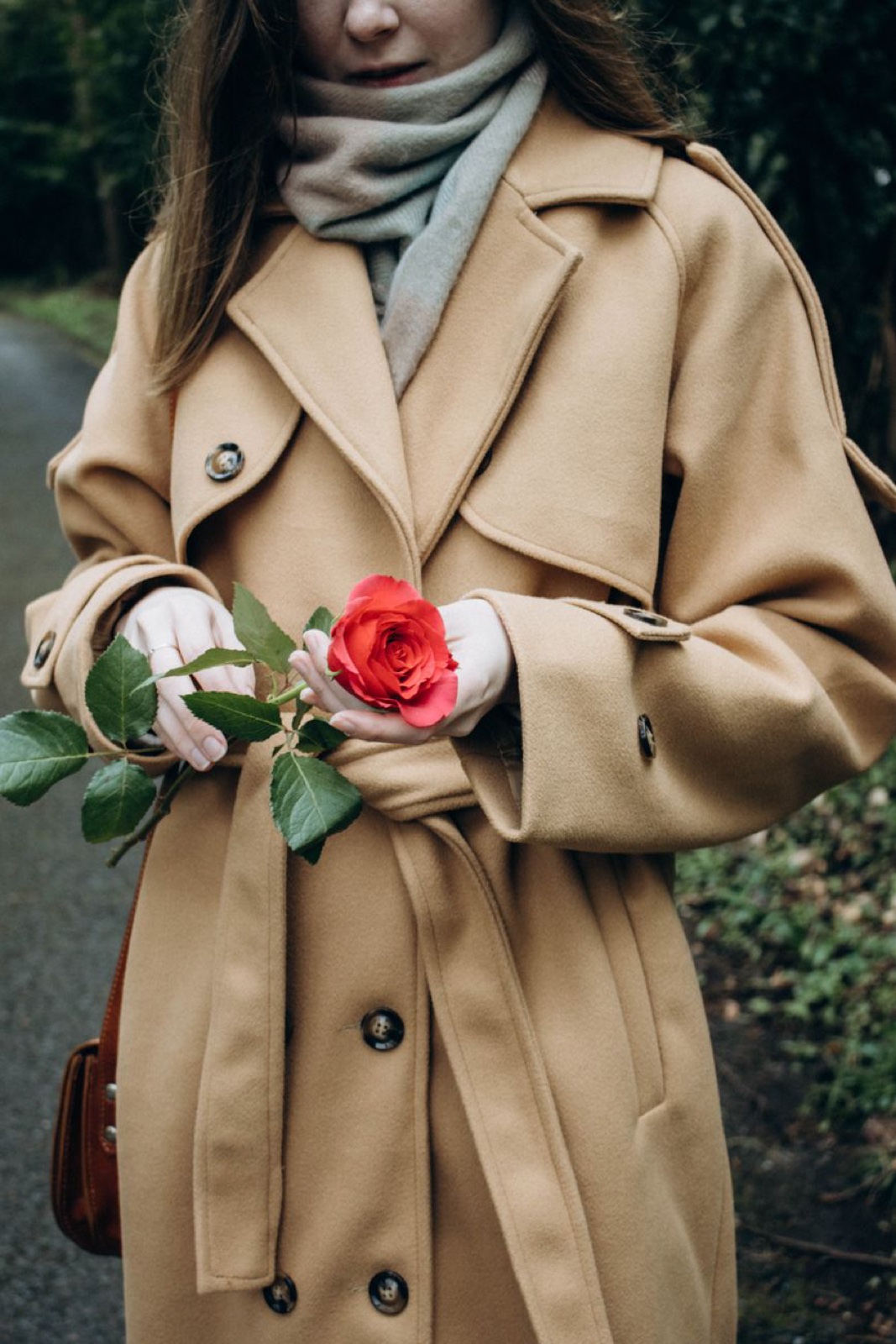
Dark Heathered Camel at Everlane measured lighter than Everlane’s own plain Camel, 55 lightness against 49, in the two listings we pulled on the same day. The modifier promised a direction and the photos walked the other way. The October Coat’s grey-washed greige also reads at nearly half the cocoon coat’s saturation, so the coat named with more words is both paler and duller than the one named with one.
A modifier can’t anchor you to anything when the base word floats. Everlane’s live product sitemap carries 69 items with camel somewhere in the colorway slug, and we counted at least twelve distinct constructions in the names: camel, light camel, deep camel, dark camel, heathered camel, dark heathered camel, heather light camel, bone camel, camel oat, camel brown, brown camel, camel houndstooth. Twelve names, one unanchored noun. We went in assuming the adjectives formed a scale. We left, and we couldn’t prove the scale exists even inside a single brand, let alone between brands.
So treat every modifier as a photo caption, not a promise.
The word tells you what the brand wanted the shade to feel like. The picture tells you what they shot.
What color is an actual camel?
An actual camel hair coat, the one garment in our panel made of the animal the color is named for, isn’t offered in Camel at all. Quince’s Camel Hair Single-Breasted Midi Coat is 100% camel hair by its own description, $300 by its own price line, and its three printed colorways are Black, Mocha Brown and Vicuna. Vicuna. The camel-colored version of the camel coat is named after a different animal, a wild Andean cousin of the llama whose fiber Quince’s coat doesn’t contain.
The measurements make the swerve even better. Vicuna measured #4D2814, a deep 19-lightness chestnut, and Mocha Brown came in at #6C462F, which lands the genuine article two to three times darker than anything the word camel is selling elsewhere in this story. Undyed camel hair runs darker and redder than the pale golden myth the fashion word settled on, so the brand selling real camel had to reach for a fancier animal to describe it.
There’s a fine print footnote too: the same page’s structured data lists the material as plain Wool while the description insists on 100% camel hair, which is the kind of two-fields-one-product disagreement naming audits keep turning up.
None of this makes any coat here a bad coat. A blend can be the better buy and a dyed polyester camel can out-camel the camel. The scandal, to the extent October needs one, is only that a one-syllable color word is carrying your $200 expectation across a gap no one has measured until now.
So here’s the whole purchase rule, and it costs nothing. Read the color name for mood, read the photo for color, and if the two disagree, believe the one that came out of a camera. The dictionary won’t give camel a coordinate, the sellers won’t give it a boundary, and the animal itself has been the wrong color all along.