What Stores Price Match on Clothes? We're Still Looking for One That Answers Both Questions
A price match sounds like one favor. The fine print treats it as two, and on September 17, 2026 I read the matching language at five clothing retailers to see which favor each one actually prints. The answers don't overlap once.
 ·
· 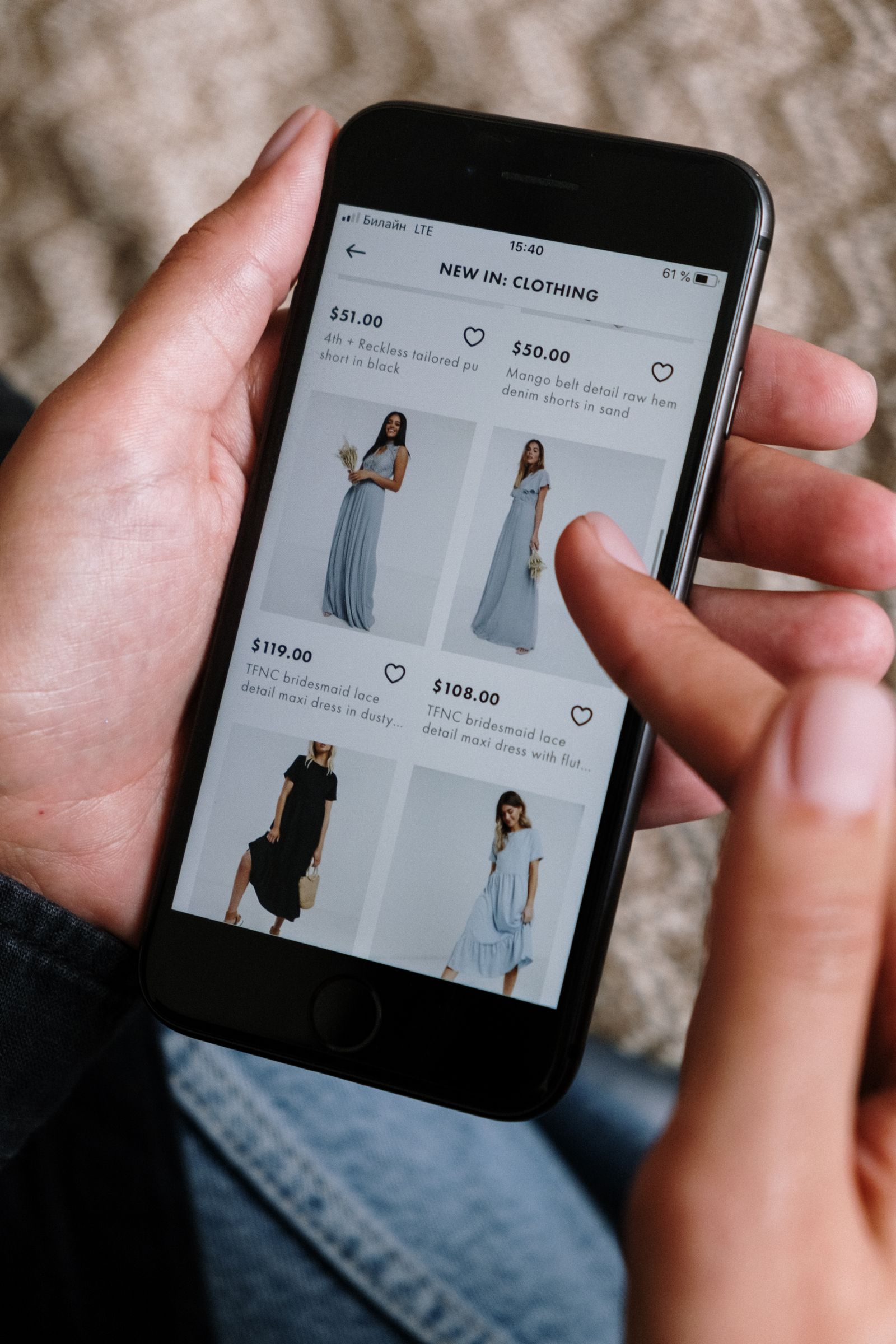
Ask whether a clothing store “price matches” and you’re really asking one of two questions. The first is about the store’s own split personality: the tag on the rack says one number, the app in your pocket says a smaller one, and you’d like the register to side with the app. The second is about neighbors: someone else sells the identical coat for less. Retail fine print has a tradition for both. Lately there’s a third answer showing up where the first two are supposed to live, and it’s the answer nobody searches for: a page that says nothing at all.
September is when this stops being theoretical. The fall racks are at full price, the October promo calendar hasn’t started, and every fitting room now contains a person holding a phone that disagrees with a paper tag. So we read the pricing pages at five U.S. clothing retailers, on their own sites, all on September 17, 2026. We didn’t file a claim with any of them. We just read what they print, and no two of the five print the same deal.
What stores price match on clothing?
On their own pages as of September 17, 2026, Target matches its own Target.com price at the register but no longer matches any competitor, Nordstrom matches twelve named competitors within 10 days of shipment but never mentions its own store-versus-site gap, Gap prints that online purchases can’t be adjusted in a store, Zara prints a claim that its store and web prices are already the same, and Old Navy’s dedicated answer page renders an error. Five stores, five different sentences.
| Retailer | Its own website’s price, honored in store? | A competitor’s price? | The printed line that decides |
|---|---|---|---|
| Target | Yes, at purchase or within 14 days | No, ended July 28, 2025 | “We match Target.com prices on in-store purchases and in-store prices for Target.com purchases” |
| Nordstrom | Never addressed | Yes, 12 named stores plus Amazon, within 10 days of shipment | “The item must be identical in color and size” |
| Gap | No | Nothing printed | “Price adjustments for online purchases cannot be made in a store” |
| Zara | Claims the gap doesn’t exist | Nothing printed | “the correct price will be shown at the time of purchase” |
| Old Navy | Nothing printed | Nothing printed | “Sorry, this page cannot be displayed” |
Below, the three shapes those answers take. We’ve given them names because the retailers haven’t.
The mirror: Target matches Target, and only Target
Target’s price match guarantee now points entirely at itself. The page reads, “We match Target.com prices on in-store purchases and in-store prices for Target.com purchases,” and gives you a window: “at time of purchase or within 14 days after purchase.” Clearance, closeout and liquidation items are carved out, and marketplace listings from Target Plus partners only match against the same partner. That’s a real, usable promise for the exact situation in the fitting room, phone versus tag, same building.
The same page answered differently a year and a half ago. Until July 28, 2025, the guarantee also covered Amazon, Walmart and Best Buy. CBS News’s Mary Cunningham reported the cutoff that week, with Target explaining that “guests overwhelmingly price match Target and not other retailers.” Read as one metric at two dates: in early 2025 the answer was three competitors and itself. In September 2026 it’s itself. The direction of travel isn’t subtle, and it’s worth knowing before you assume any printed match policy will still exist by the next time you shop that store.
The directory: Nordstrom matches the mall instead
Nordstrom runs the opposite policy. Its pricing page won’t say a word about honoring nordstrom.com in a Nordstrom store, but it will match a printed directory of neighbors: “Bloomingdale’s, Finish Line, Foot Locker, Macy’s, Mr Porter, Neiman Marcus, NET-A-PORTER, Saks Fifth Avenue, Sephora, Shopbop, Ulta Beauty and Zappos,” plus items sold and shipped by Amazon itself, plus a few brand sites like Nike.com. The conditions are strict and specific. “The item must be identical in color and size,” it has to be in stock at both stores, and you have 10 days from your shipment date.
The exclusions answer a question people type constantly: Nordstrom Rack. The page rules out “outlet stores, flash sales, auctions, clubs, regional or non-U.S. retailers or third-party marketplace sellers,” and the Rack is Nordstrom’s own off-price arm. It also exempts its own promotions, Anniversary Sale included. So the one retailer here that will look at another company’s price won’t look across its own aisle.

The wall: Gap puts its two channels on opposite sides
Gap doesn’t print a price match of any kind. What it prints instead is a time-based cousin, the one-time price adjustment “within 14 days of your order date,” which we audited across seven retailers in our price adjustment read.
The sentence that matters for today’s question is blunter: “Price adjustments for online purchases cannot be made in a store.” That’s a wall between the website and the register, stated as policy. The two channels share a logo and won’t touch each other’s receipts.
Does Zara price match its own website in store?
Zara’s U.S. pricing page doesn’t offer a match because it denies the premise instead: “All our items display the same prices, whether in our physical stores or on the website.” Then comes the hedge. “If there is a price difference between those found online and those marked on the item labels, the correct price will be shown at the time of purchase.” Notice what that sentence never says: which of the two prices is the correct one. The register decides, you find out at the register, and the same page already told you Zara won’t adjust afterward. If the checkout total beats the tag, that was the price. If it doesn’t, final sale rules and return fine print become your next reading.
The third answer: a page that won’t load
Old Navy is the brand this cluster searches hardest, and it’s the one I couldn’t get an answer from. I tried the dedicated help path twice, through two different routes, and both times the site returned an error message where the policy should be. We can’t tell you Old Navy has no policy. Absence of a page isn’t a printed no, and a store associate may be more generous than any of this text. I also failed elsewhere: Kohl’s help pages sit behind an access wall, Macy’s customer service domain wouldn’t resolve for us at all, and Anthropologie’s site returns a 403 to our reads. Those five empty chairs are why this piece covers five retailers and not ten.
That’s also the honest limit of the whole exercise. Five pages read on one dated afternoon is five pages, policies get rewritten without announcements, and nothing here is a promise about what a specific cashier will do for you on a specific Tuesday. What we can say is that the printed record splits your one question into two, and that as of this reading, no store in the sample answers both. Screenshot the price you saw, carry it to the counter, and know which of the three shapes you’re standing in.
Old Navy’s answer page, for its part, says everything by saying this: “Sorry, this page cannot be displayed. An error occurred that prevented this page from being displayed.”