Are Birkenstock Bostons Worth It | The $170 Question Has a $75 Answer Sheet
October is clog season, and the Boston tab is open next to a $45 lookalike that prints almost the same materials. The product pages won't settle it. The document that does isn't sold in either store, and it only exists for one of these shoes.
 ·

Every shoe is sold with two price tags. The first one hangs on the shoe. The second one doesn’t exist yet: it’s the price of what happens when the sole wears through, and whether anyone ever bothered to print it tells you what kind of object you bought. Most shoes never get a second tag. They’re bought once, worn flat once, binned once, and the category is built to keep that cycle quiet.
October is when this stops being abstract. Clog season opens, the suede Boston goes back on every feed, and a shopper ends up with two tabs open: a Birkenstock Boston in suede at $169.95, the price printed at Zappos on October 6, 2026, and a Cushionaire Hana at $44.99 on the brand’s own US store the same day. One costs 3.8 times the other. The product pages, read side by side, do a surprisingly bad job of explaining why.
Are Birkenstock Bostons worth the money?
Birkenstock’s answer, as printed on its own product page, is a list of materials: upper in suede, footbed lining in suede, footbed in cork, insole in natural leather, sole in EVA, made in Germany. (A note on sourcing: the brand’s US store wouldn’t quote this desk’s reader a dollar price, it kept routing to a Korean storefront, so the US figure here is Zappos’s print and the spec rows were read on Birkenstock’s Irish store, in euros.) Nothing in those rows settles the question, because the $44.99 shoe answers back in nearly the same vocabulary. Cushionaire prints “cushioned cork footbed” on the Hana, “genuine suede” across its clog rack, and a non-slip outsole. On panel adjectives alone, the dupe hangs close enough to blur.
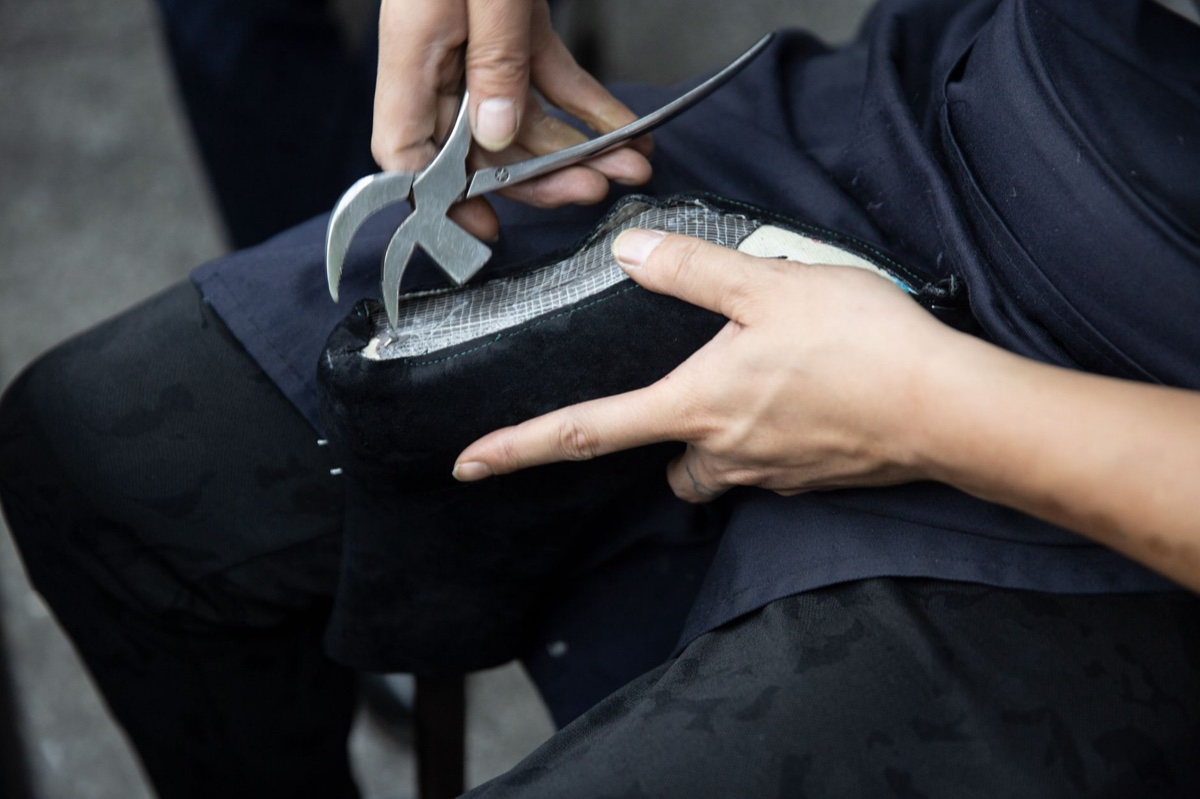
The difference starts where the product pages end.
EVA is the sacrificial part of a Boston, the layer built to be ground down. Cork is the asset. And one of these two companies has spent decades printing paperwork about what happens after the grinding.
Can Birkenstocks be resoled?
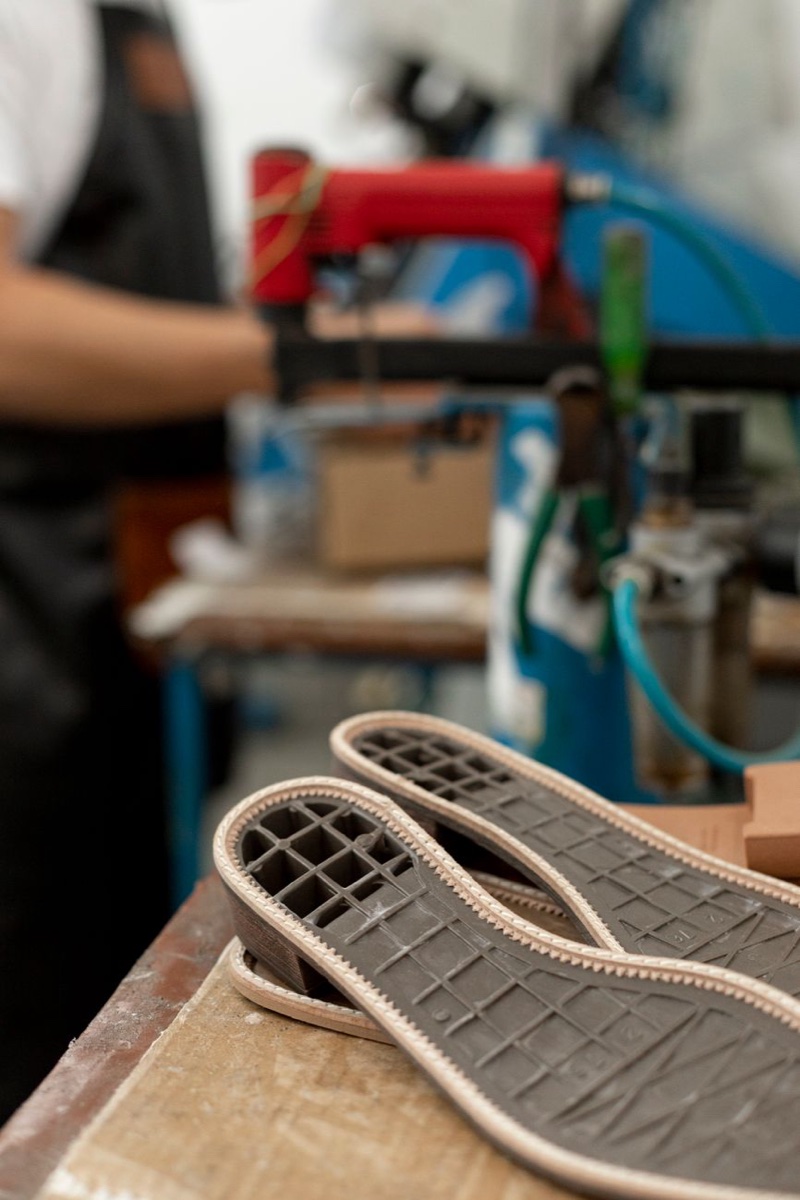
Birkenstock itself says yes, in writing. The brand’s care-and-repairs page lists “complete sole replacement,” cork repair for exposed footbeds, and replaceable buckles and rivets, then hands you off: “For all your repairs and repair related enquiries please contact your local shoe repairer.” Mister Minit, which the brand’s Australian network names as an authorised Birkenstock repairer, advertises resoles, cork patching and full footbed replacement “using only genuine, sustainable materials sourced directly from Birkenstock.” The accessories shelf goes further still. Birkenstock sells replacement footbeds outright, at 25 to 60 euros on its European stores, the way a camera brand sells lenses.
Notice what’s missing. The brand prints the parts list and never the labor price, because those numbers live one layer down the chain, at the repair counters.
How much does Birkenstock repair cost?
NuShoe, a San Diego operation that calls itself an authorized Birkenstock repair center and claims four million pairs resoled since 1994, prints an actual menu for Birkenstock shoes. Classic Reconstruction, $75: new soles in original Birkenstock material, reconditioned cork at heel and toe, replaced buckles, cleaned and conditioned uppers. Classic Restoration with a new cork footbed, $120. Allow three to four weeks. Its separate sandal-renewal page prints $65 and $110 for the same two tiers, so the menu depends on which page takes your order, and both pages are quoted here. This desk has priced the same surgery for boots before, in what a resole actually costs.
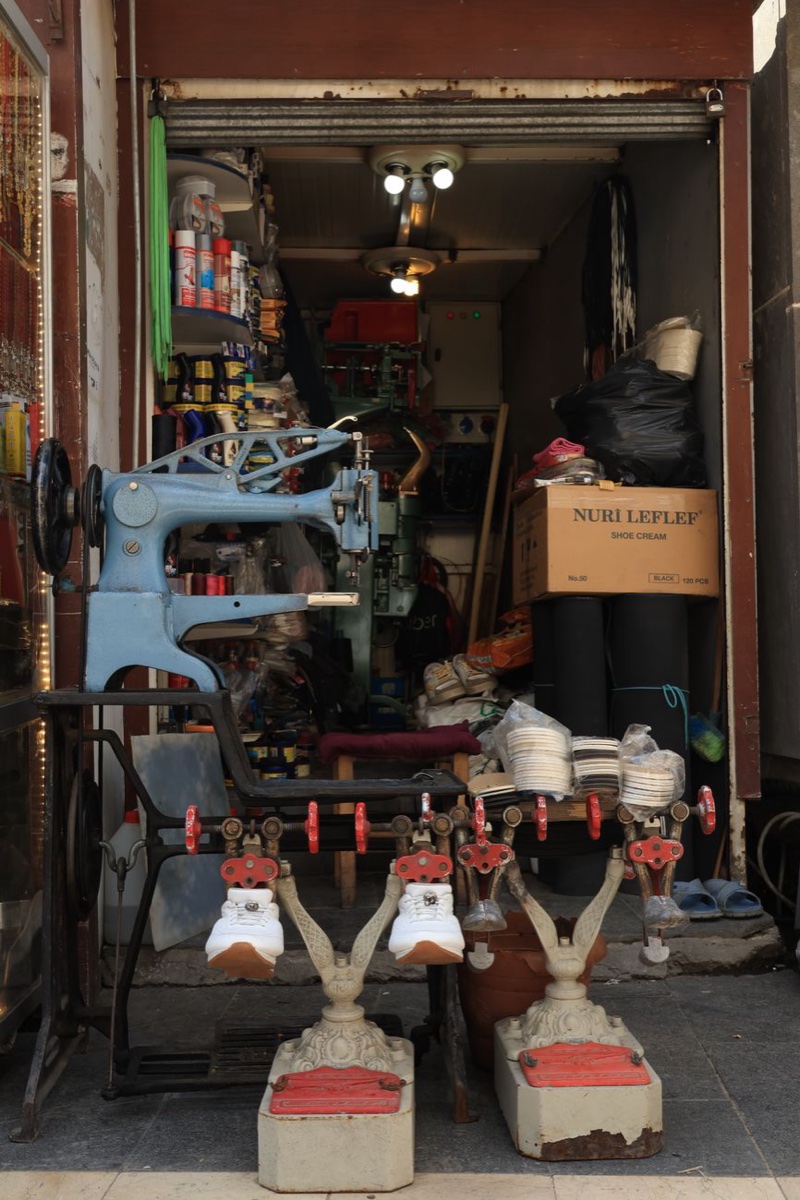
Run the arithmetic the price tags won’t: the $75 rebuild is 44% of a new Boston, and the $120 full restoration is 71%.
Now run the other shoe. Cushionaire’s after-sales document, in full, as printed on a Hana product page: if your item is damaged through regular use within the first six months, email support with a description and images. No menu, no parts shelf, no counter. At $44.99 that isn’t a scandal, it’s just a different species of purchase, and the table below is the whole argument in eight rows.
| Row | Birkenstock Boston (suede) | Cushionaire Hana |
|---|---|---|
| Price as printed, Oct 6 | $169.95 (Zappos) | $44.99 (cushionaire.com) |
| Upper | Suede | Nubuck / “genuine suede” on sibling clogs |
| Footbed line | Cork, suede-lined, leather insole | “Cushioned cork footbed” with memory foam |
| Sole | EVA, built as a wear layer | “Durable non-slip outsole” |
| Made in | Germany, as printed | No origin printed |
| After-sales document | Brand repair page + authorized menus | Support email, photos required |
| Printed repair prices | $75 rebuild / $120 with new cork (NuShoe) | None |
| Coverage window | Resoleable for the shoe’s life | First 6 months of wear |
Is it better to repair Birkenstocks or replace them?
Honest pause here, because the chain has a weak link and it sits at $120. A full restoration runs 71% of a new pair, so if the cork is crumbled and the suede is tired too, replacement wins on plain math and the repair menu doesn’t pretend otherwise. Mail-in also means three to four weeks without the shoes. And the wearing itself is testimony this desk can’t give: Woman&Home’s reviewers, who actually broke a pair in, report a stiff first week and suede that stains if you look at it wrong, which squares with what rain does to suede. This piece was written in Seoul. Nobody here creased a footbed, and nobody here will referee the arch-support and plantar-fasciitis claims that fill the autocomplete, because spec panels don’t practice podiatry.
What the paper trail supports is narrower and more useful. A $75 rebuild beats $169.95 whenever the upper still has life, and suede uppers, kept dry, usually do. That single printed number is what separates how long a shoe should last from how long it happens to.
So rewrite the question, because “worth it” was never a property of the clog. It’s a property of the paperwork. $169.95 buys suede, cork and a standing appointment at a counter that publishes its prices. $44.99 buys most of the same adjectives with a six-month expiry and an email address. The second price tag is the one to shop with. Which one is worth holding in year three is a call the reader gets to make, and now the numbers for it are all on one page.