Acetate vs Polyester Lining | Eight Coat Pages, One Missing Row
Coat shopping runs on the shell row: wool percentages, cashmere fractions, Italian mill names. The fabric your body actually lives against all winter sits one row lower, and the search box still asks a question about it that the rack may have quietly answered.
 ·
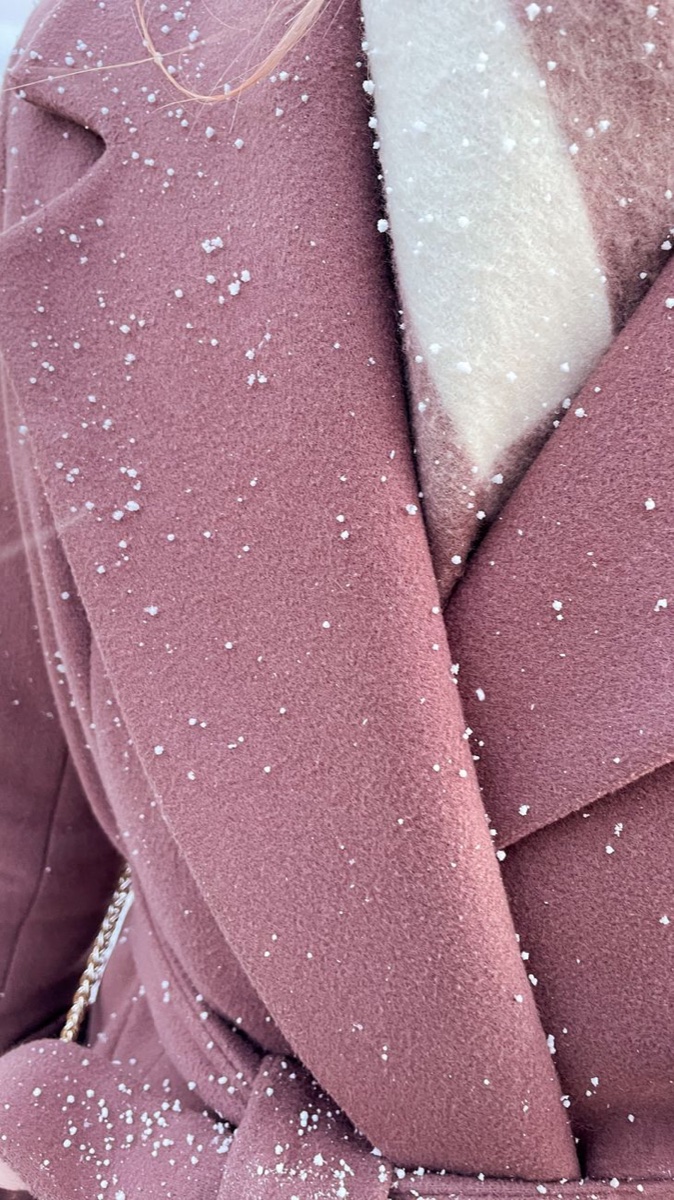
You’ll spend about five months inside your next coat. Your arms slide through it twice a day, your sweater drags along it, your hands live against its pockets. And the fabric doing all of that touching isn’t the wool you compared across six tabs. It’s the lining. Shoppers read row one. Almost nobody reads row two.
The search trail already knows how this ends. Type “coat lining” into Google’s suggestion box and what comes back isn’t shopping language at all: “coat lining repair cost,” “coat lining replacement near me.” Those are the queries of people whose coats outlived their insides. The outside of a coat collects compliments for a decade. The inside gets replaced.
So there’s a question that still fills the autocomplete in 2026, inherited from decades of tailoring forums: acetate lining vs polyester lining, which should you want? We went looking for the answer in the only places that print one: the lining rows on live coat product pages, read on October 7, 2026, and the single federal rule that decides whether that row has to exist at all.
Is acetate lining better than polyester lining?
Acetate and its upmarket cousin cupro are cellulosic fibers, spun from wood pulp and cotton waste, and the people who make them keep printing the same two advantages over polyester: they breathe, and they don’t cling. Eastman, the American producer behind the Naia acetate brand, sells it on “a luxurious look, superior comfort and ease of care.” Cupro’s case is sharper. “Bemberg is the proprietary name for a cupro fabric made by Asahi Kasei, a Japanese manufacturer,” explains menswear writer The Modest Man, whose breakdown of the fiber notes that “the crystalline structure of cupro allows it to absorb the moisture and then release it away from your skin,” and cites testing in which polyester lining generated “more than 16 times greater” static than Bemberg.
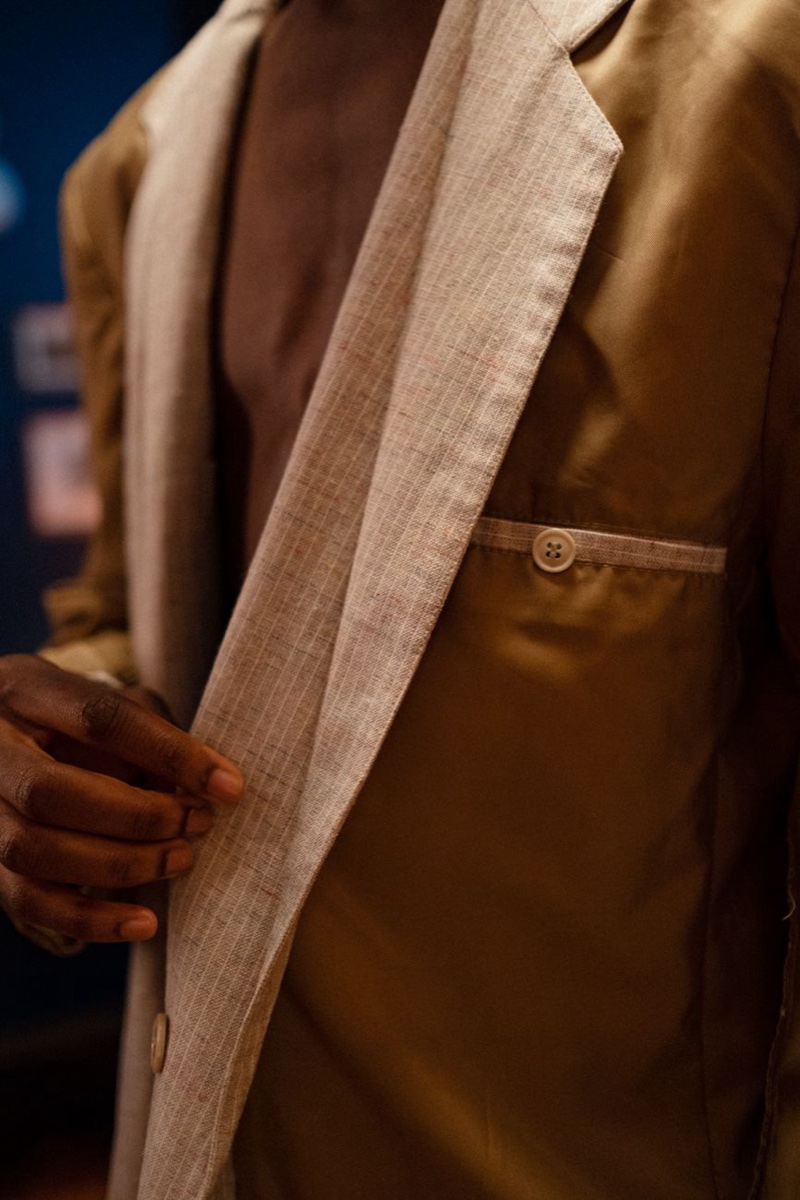
Polyester’s defense is shorter and very real: it survives. It shrugs off abrasion, costs less per yard, and it’s the reason one coat in our table below is allowed to print “machine wash” in its care row at all. The honest version of the old debate is a trade: the cellulosic linings are kinder to skin and static, polyester is kinder to budgets and washing machines. That’s the theory. The rack is something else.
What are coat linings actually made of in 2026?
Polyester, in every single lined coat whose page would open for us this week. We read eight wool-coat product pages across five sellers on October 7, 2026, and copied the fabric rows exactly as printed:
| Coat (page read Oct 7, 2026) | Shell row | Lining row |
|---|---|---|
| Everlane ReWool Belted Blanket Coat | 55% recycled wool, 40% recycled polyester, 5% other | 100% recycled polyester |
| Quince Wool Cashmere Tailored Coat | 90% RWS-certified wool, 10% cashmere | 100% polyester twill |
| Quince 100% Merino Shawl Collar Coat | 100% merino wool | 55% polyester, 45% viscose |
| Quince Italian Wool Classic Coat | 80% Italian wool, 20% nylon | 55% polyester, 45% viscose |
| Quince Double-Faced Merino Wrap Coat | 100% merino wool | “Unlined” |
| Vuori Soho Melton Overcoat (Nordstrom) | 55% polyester, 45% recycled polyester | 45% recycled polyester, 41% polyester, 14% elastane |
| Belle & Bloom Walk This Way (Nordstrom) | 60% wool, 40% polyester | “no lining” |
| Suitsupply Navy Overcoat | 100% wool | not printed on the page |
Count the acetate rows. Zero. Cupro, zero. Five of these coats are fully lined, and every one of those linings is polyester or a polyester-viscose blend, from a blanket coat built on recycled wool to a 90/10 wool-cashmere tailored coat. I expected the sample to cough up at least one acetate row somewhere. It didn’t. The comparison the search box keeps suggesting is a comparison this part of the rack stopped stocking, and nobody printed an announcement.
Two rows deserve a second look. The Vuori is sold as a “Melton Overcoat,” borrowing a word that has meant dense wool coating for two centuries, and there is no wool in any row of its panel. It’s also, not coincidentally, the only coat here whose care row permits a washing machine. And Quince prints “Unlined” as a spec on its double-faced wrap coat, which is the correct answer for that construction: double-faced wool is finished on both sides, so there’s no second fabric to name.
One honesty note about the sample. J.Crew and Madewell wouldn’t render their fabric panels to our reader at all, Coach answered with a 403, Walmart showed us a robot check, and several European storefronts refused the door.
Our table is the rack that lets itself be read. Who opens the panel and who doesn’t is its own data point.
Does a brand have to tell you what the lining is?
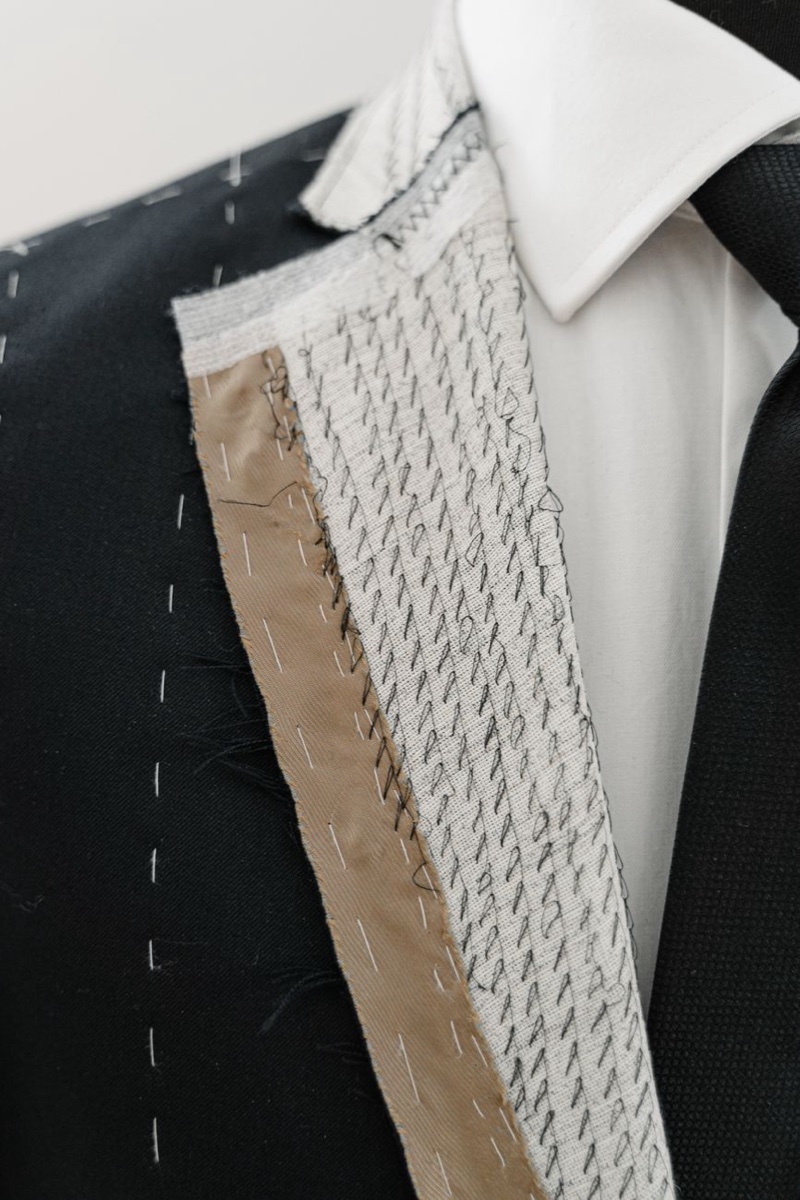
Only sometimes, and the condition is printed in 16 CFR 303.22, the FTC’s textile labeling rule: fiber content of “any linings, interlinings, fillings, or paddings shall be set forth separately and distinctly if such linings, interlinings, fillings, or paddings are incorporated in the product for warmth rather than for structural purposes, or if any express or implied representations are made as to their fiber content.” Read that twice. A lining installed to warm you must be named. A lining installed so the coat slides over a sweater is structure, and structure can stay anonymous.
Now look back at the table’s last row. Suitsupply, the tailoring house, prints “100% Wool” and “Dry Clean Only” on its navy overcoat page and no lining fiber anywhere we could find on it. The sewn-in label in the store almost certainly says more, because that’s where the rule actually bites. But on the web page, where you’re deciding, the row is missing. Meanwhile Quince, the value brand that built its pitch on cost transparency, prints “55% polyester, 45% viscose” on coat after coat. The disclosure ladder runs opposite to the price ladder here, and it isn’t the first time we’ve watched premium labels go quiet about synthetics.
What’s the best lining for a wool coat?
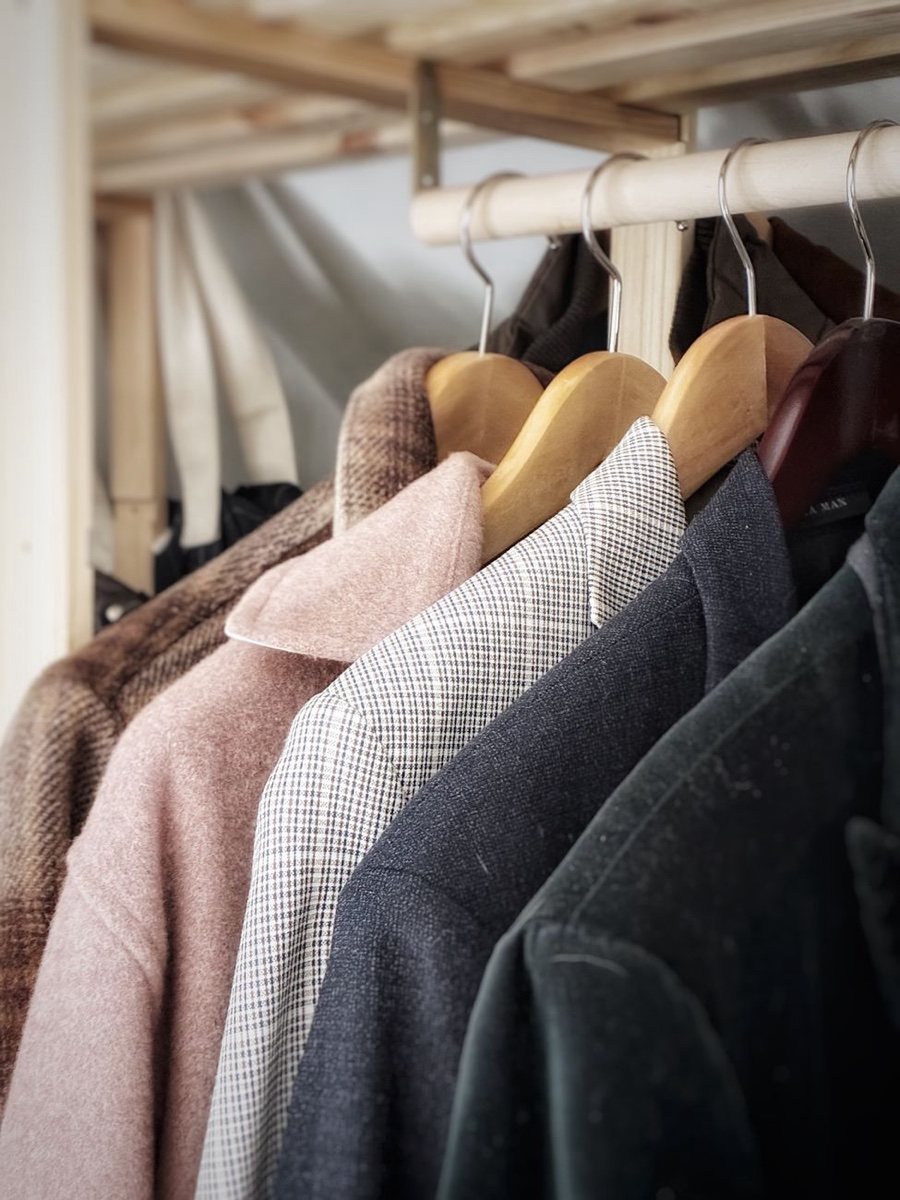
The one you actually read before paying, and the reading takes ten seconds. A short protocol, from this desk to your six open tabs:
- Read row two with the same suspicion you bring to row one. A wool shell over a bargain lining is a decision someone made. You’re allowed to notice it.
- Treat “fully lined” as a claim of existence, not of quality. The word that matters is the fiber noun that follows it, and five pages above show how rarely that noun surprises.
- Don’t punish “Unlined” on a double-faced coat. That’s the one case where no second fabric is the premium answer.
- A missing lining row isn’t a crime. Warmth linings must be named, structural ones needn’t be, so flip the hem in store and read the sewn label, which is where 303.22 lives. The care tag will also tell you things the marketing didn’t, starting with what “dry clean” does and doesn’t mean.
- If you want the cellulosic feel the old forums praised, know that in this sample you’d be shopping tailors, vintage racks and fabric stores, which still sell acetate and Bemberg lining by the yard. The mid-market page has made its choice, and its choice was polyester.
We read panels for this piece. We didn’t wear the coats, rub the linings or meter the static ourselves, and nobody at this desk has relined anything this year. The documents did the judging, which is fitting. The lining is the part of the coat that works in the dark, and the spec row is the only light it gets.