How Much Does It Cost to Dry Clean a Suit? Tide Cleaners and Suitsupply Aren't Using the Same Calendar
One national cleaning chain says every three or four wears. One suit brand says three times a year, maximum. Both are advising you about the same jacket, and the gap between them is worth more than the jacket. So I read six published price lists and the table the industry uses to settle claims, and did the arithmetic nobody prints next to a suit.
 ·
· 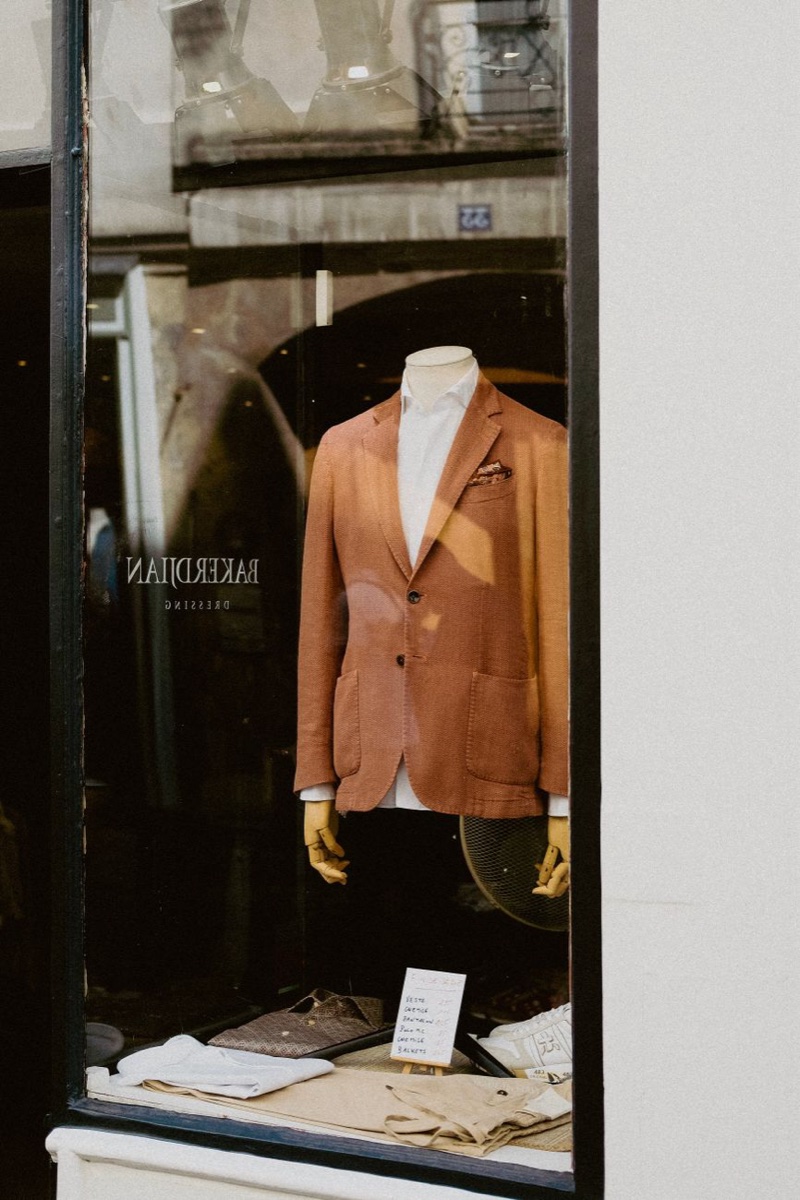
Twenty suits and tuxedos were sitting on J.Crew’s End of Summer rack when I counted the thing yesterday, which is a strange item to find under a sign about beach season ending. It makes sense in one way. Offices refill in September, the marked-down suiting goes out in August, and somebody buys it. Nobody at the till mentions that the tag is the smaller of the two numbers you’re agreeing to.
We haven’t taken any suit to any of these cleaners. This is a desk read of what six shops print on their own price pages, what two companies with opposite incentives say about how often you should use them, and what the industry’s own claims table says about how long the garment is supposed to survive it.
How much does it cost to dry clean a suit?
Published prices for a two-piece suit ran from $19 to $74 across the four American lists that price a suit as one item, all read on August 24, and two of those four shops sit in the same city. Here they are, exactly as printed.
| Cleaner | Where | Two-piece suit | Jacket alone | Trousers alone |
|---|---|---|---|---|
| Morris Cleaners | Manhattan, 10028 | $19 | $12 (suit jacket) | $9.50 and up |
| Clothesline Cleaners | Boise and Meridian, ID (list dated April 29, 2026) | $24 to $38 | $14.99 to $16.99 (sportcoat) | $10.99 to $15.99 |
| Casa Organic | Chelsea, Manhattan | $35 to $65 | $25 to $65 | $15 to $25 |
| Cameo by Copeland | Long Island and NYC | $74 and up | $41 and up | $33 and up |
| Clean | Manhattan and East Hampton | No suit line | $24 (blazer) | $20 |
| Johnsons Cleaners | UK, one national list | £19.95 from | £13.95 (jacket) | Not listed |
The content farms that own this query all tell the same story about geography, in which New York and San Francisco cost 20 to 35 percent more than everywhere else. The lists don’t support it. An Upper East Side shop charges $19 for the same job that costs $74 on Long Island and $24 at the low end in Idaho, and one Manhattan cleaner doesn’t sell a suit as a unit at all. Every price above is a starting price or a range on a page, not a quote for your particular jacket, and each one of these shops says so in its own words. What they’re good for is the shape of the spread, and the spread is roughly four to one inside a two-hour drive.

How often should you dry clean a suit?
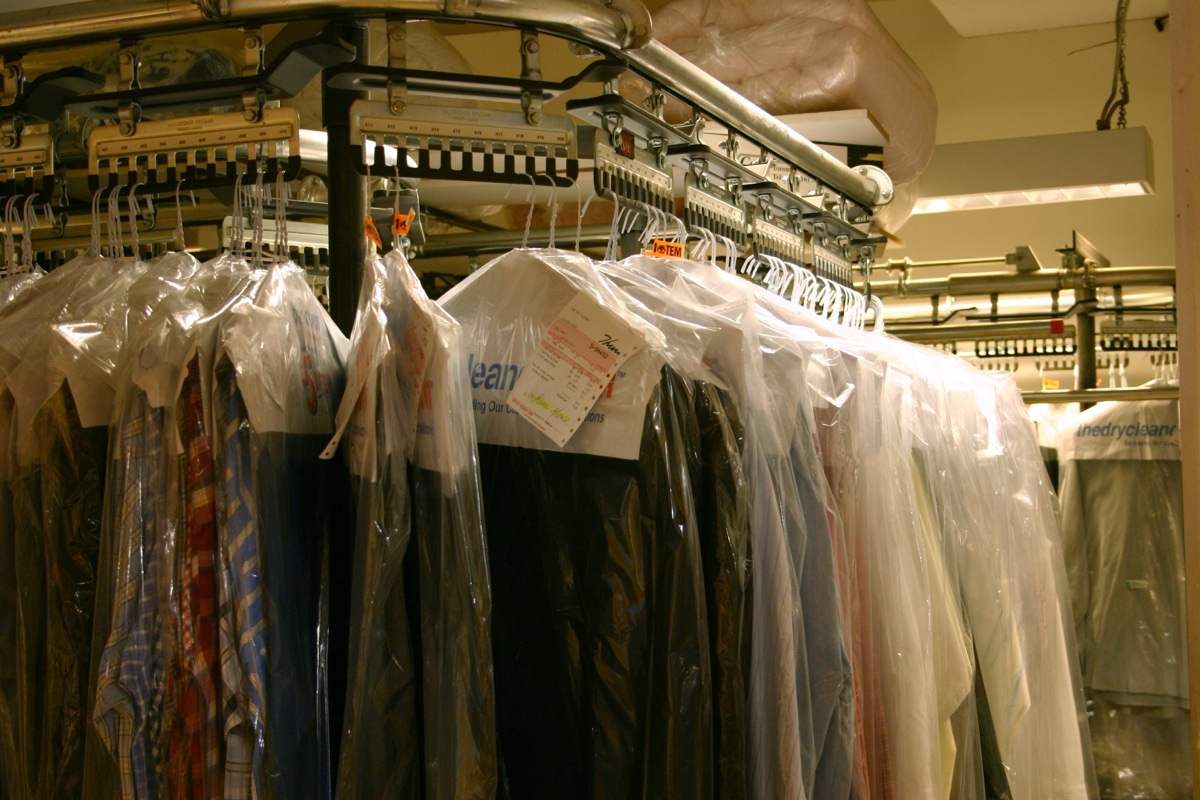
Tide Cleaners recommends cleaning a suit every three to four wears, and Suitsupply recommends no more than three times a year, and both sentences are published advice about the same garment. Tide sells cleaning. Suitsupply sells suits. Follow the first and a suit worn once a week goes in about fifteen times a year; follow the second and it goes in three. At Morris’s $19 that’s the difference between roughly $285 a year and $57.
Suitsupply’s page is worth reading past the number, because the rest of it is the reason for the number. Wool is described as semi-self-cleaning, the advice is to hang the suit out for 24 to 48 hours after wearing rather than putting it away, and spot treatment is recommended over a full clean for anything minor. There’s also one instruction with a price attached: always clean the jacket and the trousers together, so the two halves fade at the same rate. That single line closes the obvious loophole, which is cleaning the trousers four times as often as the jacket and paying trouser prices.
How long is a suit supposed to last?
A winter-weight wool suit is rated at four years and a summer-weight wool suit at three, in the Fair Claims Guide, the life-expectancy table the drycleaning industry uses to settle up when a cleaner ruins something. The same table puts cotton and synthetic suits at two and silk at three. Now do the multiplication that nobody prints. Three cleanings a year for four years is twelve visits, which is $228 at Morris, about $372 at Clothesline’s midpoint, $420 at the bottom of Casa’s range, $888 at Cameo, and £239.40 at Johnsons. J.Crew’s Ludlow Traveler jacket in Italian stretch wool blend is $448 today and the matching pant is $248, so on the cheapest published list I found, keeping that suit clean for its rated life costs about a third of what it costs to buy. On the dearest, it costs more.
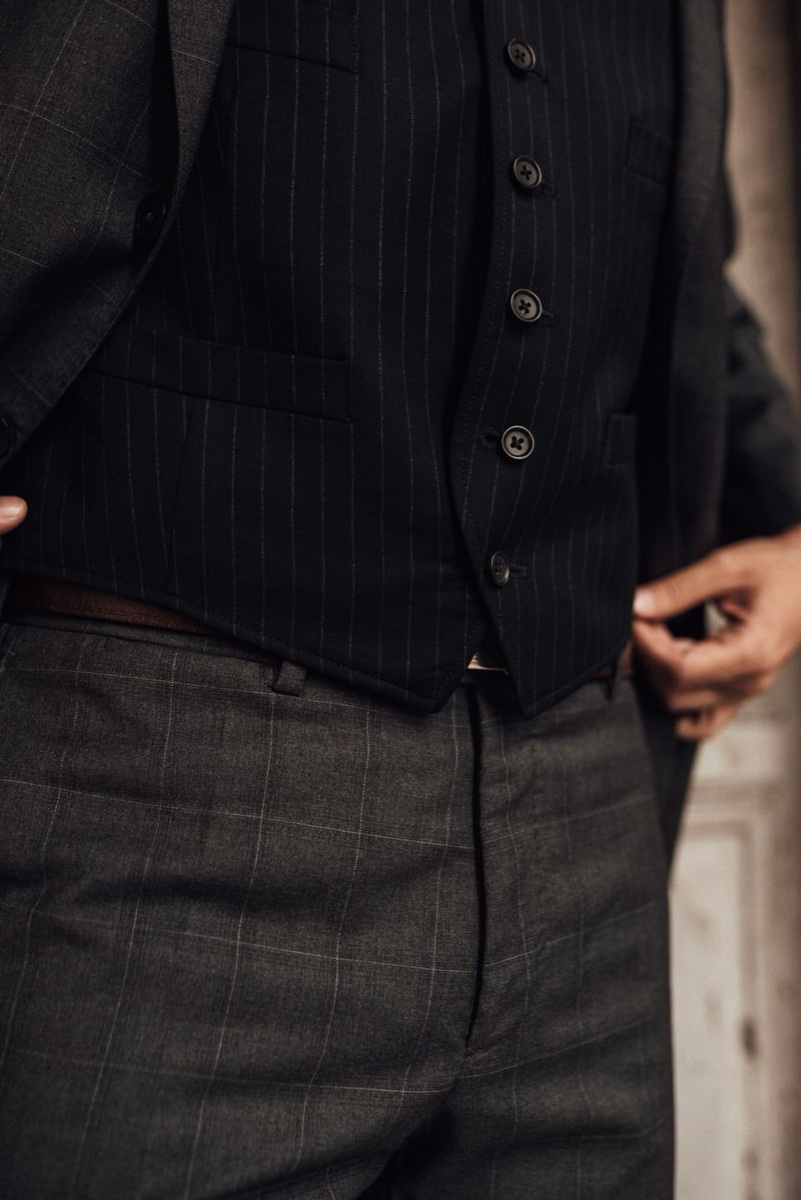
There’s a detail in that table that changes what you should buy. Suits get one number, but the guide also prices the pieces separately, and it doesn’t give them the same number: a wool blazer or sport coat is rated at four years, dress slacks at three. So the suit doesn’t wear out. The bottom half does, twelve months ahead of the top half, while you keep paying to clean both of them on the same ticket. If a second pair of trousers is offered at purchase, that’s the number it’s competing against, and it’s the one piece of suiting maths the shops don’t put on a sign.
Is it cheaper to clean a jacket and trousers separately?
Splitting the ticket costs more at every shop that prints both lines. Morris charges $19 for the suit and $21.50 for a suit jacket plus pants bought as two items. Clothesline’s cheapest pairing comes to $25.98 against $24 for the suit. Casa’s is $40 against $35. Clean, the Manhattan shop with no suit line, has no cheaper option to offer: $24 and $20, every time, which is $44.
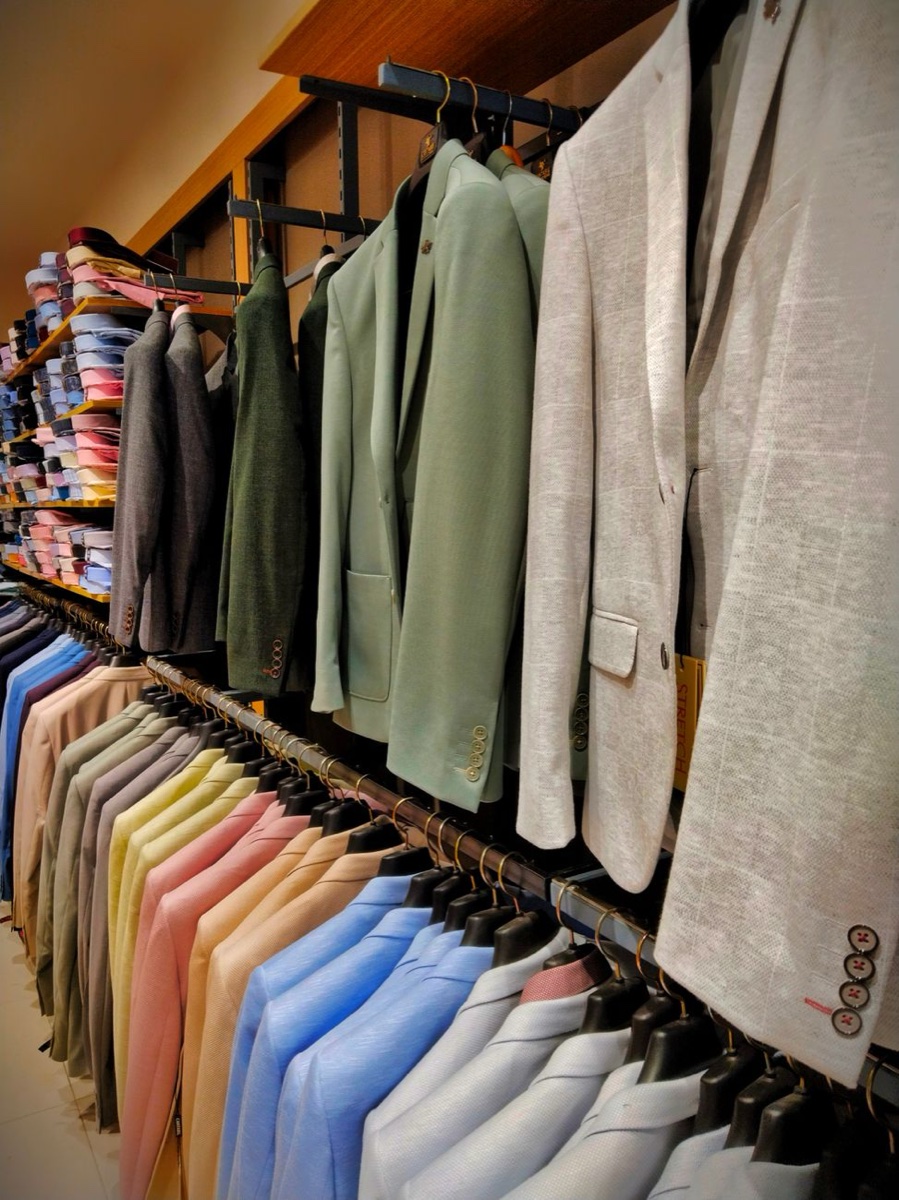
So the shopping advice is small and slightly boring, which is usually a sign it’s real. Ask for the suit ticket rather than two tickets. Take the maker’s schedule over the cleaner’s, hang the thing up for two days instead, and read the care label before you assume it needs the full treatment at all. And if the suit you’re eyeing on the End of Summer rack is a summer-weight wool, the guide gives it three years rather than four, which means the discount is attached to the shorter clock. The coat aisle has the same problem and nobody prints that number either.