Is the Ilia Multi Stick Worth It? The $48 One Next to It Promises the Fewest Places
Berry sticks are this fall's bronzer swap, and the category runs $6 to $48 for tubes smaller than a lighter. On September 4 I read six brand labels, divided each price by its printed grams, and wrote down where every stick is officially allowed to go. The answers don't line up the way the word 'multi' suggests.
 ·
· 
In 1996, on a Harper’s Bazaar shoot, François Nars ran one lipstick over cheeks, lips and eyes and called the look done. The product he later built to commemorate that day still carries his sales pitch on the brand’s own history page: “Cheeks, lips, eyes. The Multiple can truly do it all.”
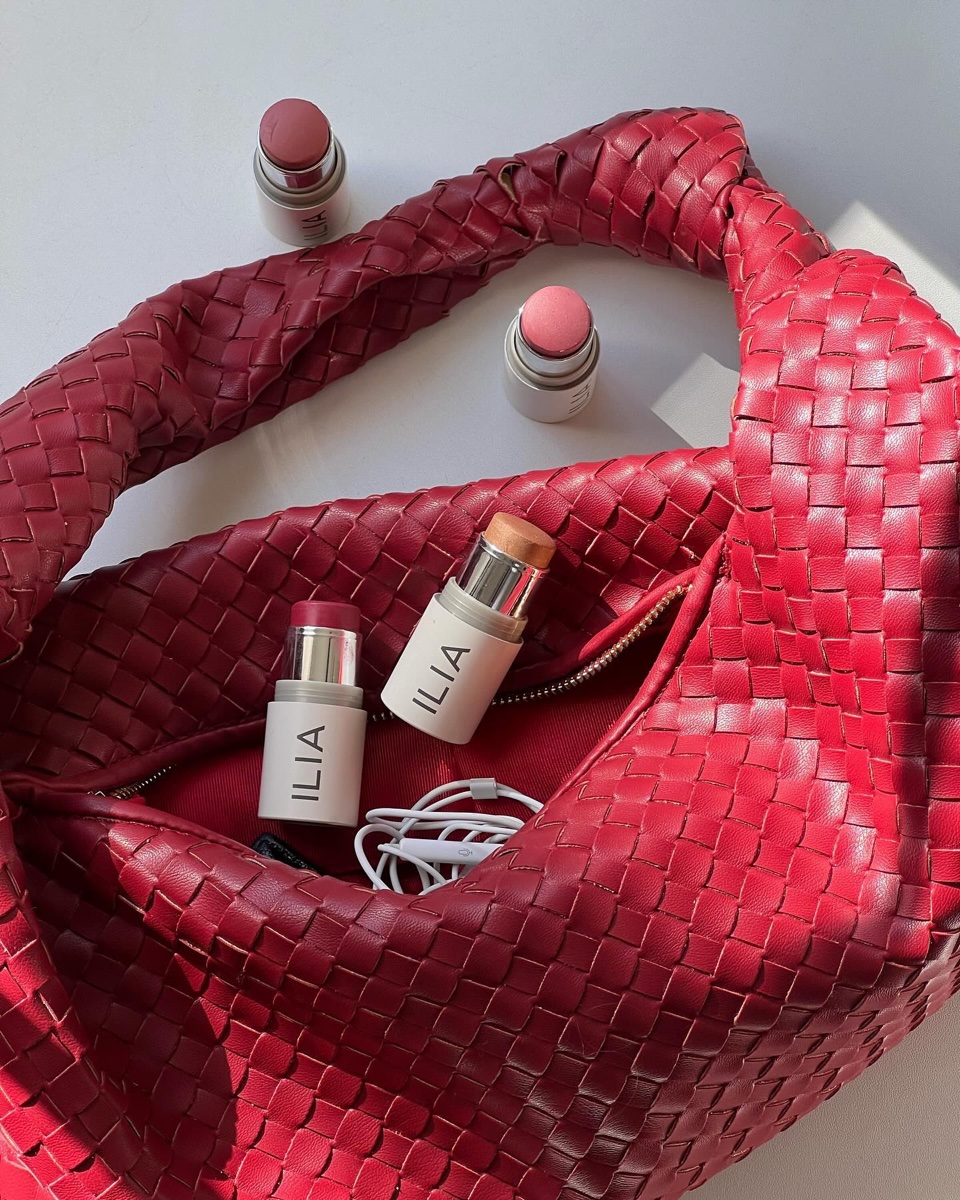
Thirty years later, that one improvised swipe is a full shelf. Camille Styles’ fall trend report (Langa Chinyoka, August 24) tells you to “swipe a berry-colored multi-stick across lips and cheeks instead of your usual bronzer,” and if you search the phrase mid-checkout, the top question Google autocompletes is the one in my title. So here’s my answer before the receipts. On the numbers, no. At $36 for 4.5 g, the Ilia Multi-Stick is tied for the most expensive stick in this comparison per gram, at $8.00, and its label licenses two zones, cheeks and lips, the same two Merit’s Flush Balm covers at $3.33 a gram. Buy it for a shade you love. Don’t buy it for the math, because the math is the one thing the format quietly stopped offering.
I should say what I did and didn’t do. On September 4 I pulled price, printed net weight, shade count and the brand’s own list of approved zones from six product pages. I haven’t swatched any of these, so nothing below is a texture claim. The division is the journalism.
| Stick | Price | Net weight | Per gram | Where the label says it can go | Shades |
|---|---|---|---|---|---|
| e.l.f. Monochromatic Multi Stick | $6 | 5 g (boxed) | $1.20 | eyes, lips, cheeks | 7 |
| Merit Flush Balm | $30 | 9 g | $3.33 | cheeks and lip | 13 |
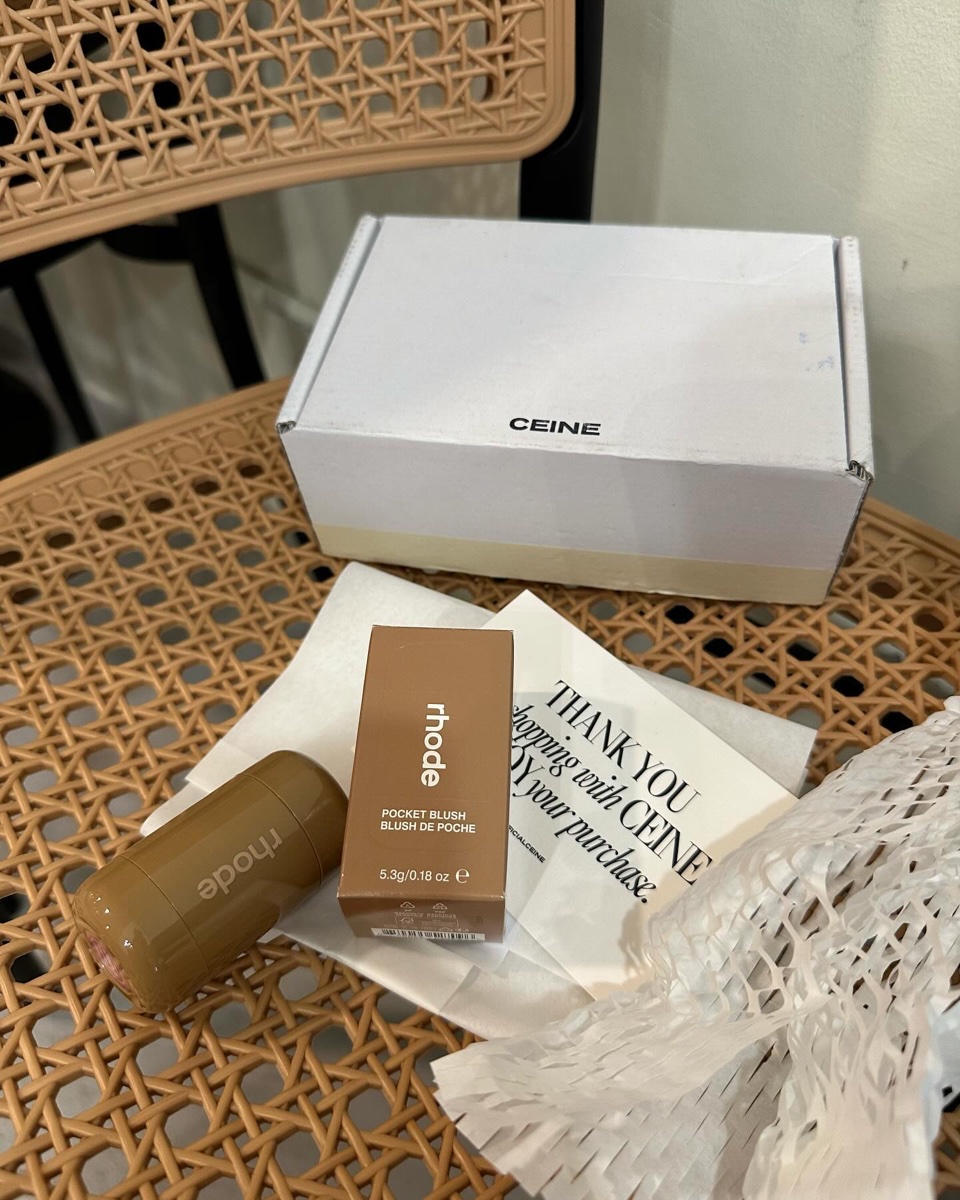
| Rhode Pocket Blush | $25 | 5.3 g | $4.72 | cheeks and lips, “avoid the eye area” | 13 |
| NARS The Multiple | $40 | 8 g | $5.00 | cheeks, lips, eyes | 12 |
| Ilia Multi-Stick | $36 | 4.5 g | $8.00 | cheeks and lips | 12 |
| Westman Atelier Baby Cheeks | $48 | 6 g | $8.00 | cheeks | 10 |
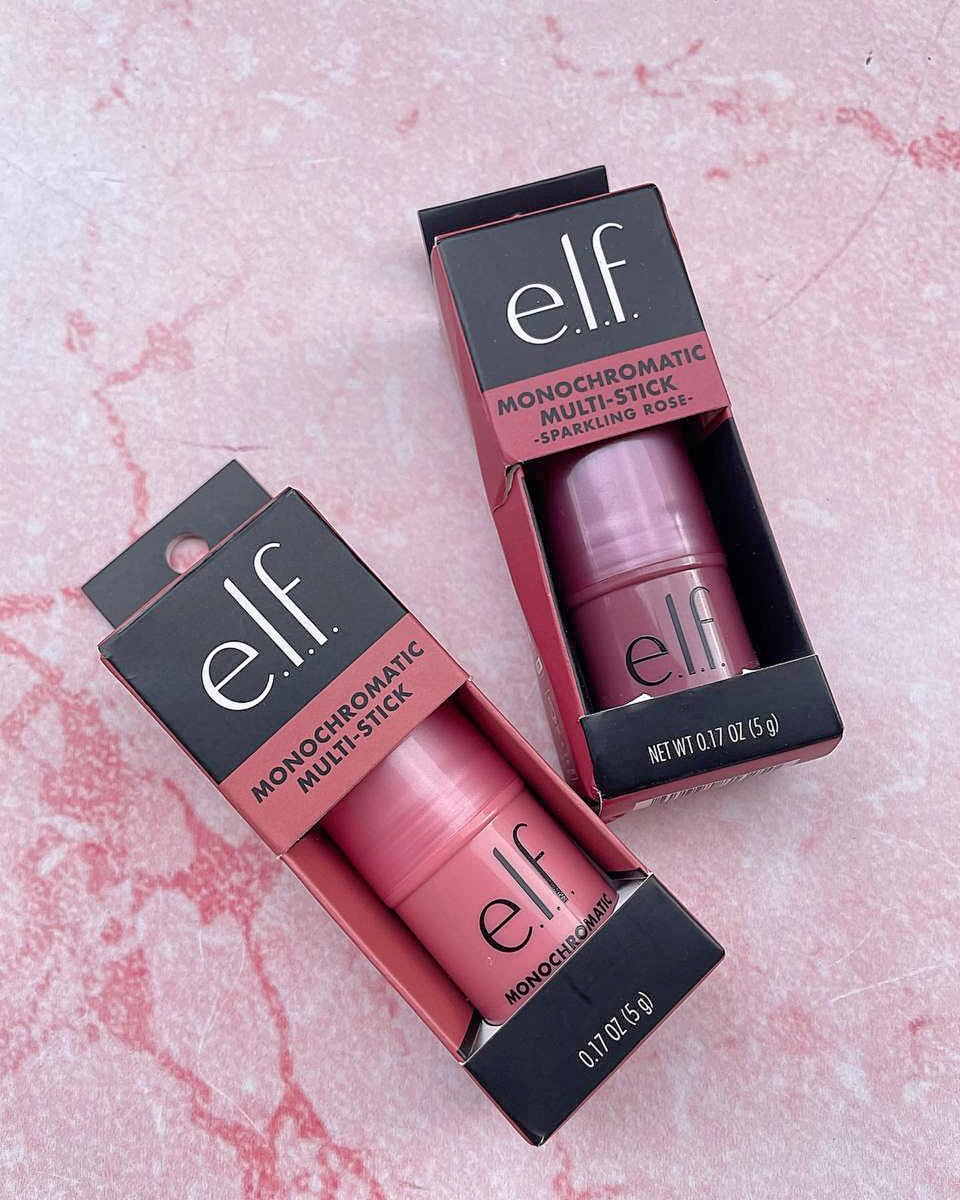
Weights are as printed by the brands, with two footnotes done honestly. Merit doesn’t put grams on its product page, so the 9 g comes from retail listings and Temptalia’s review of the same 0.31 oz bullet. e.l.f.’s page skips weight too, but its current boxes print 0.17 oz (5 g), and you can read it off the carton in the photo below. NARS lists $40 and was ringing at $32 in a sitewide 20% promotion the day I checked. Westman’s 6 g figure matches Space NK’s listing of the full size.
Now the fair fight, because there is one. A multi-stick can still be honest consolidation. If a $36 stick genuinely replaces a $30 blush and a lip color you’d otherwise buy, you’ve saved money and a zipper pocket, and per gram the Ilia costs exactly what a $24, 3 g MAC Retro Matte lipstick costs: $8.00, to the cent. Lipstick pricing has always been perfume-counter pricing. Multi-sticks didn’t invent it. They just moved it two shelves over and printed a longer permission slip on the tube.
What is a multi stick used for?
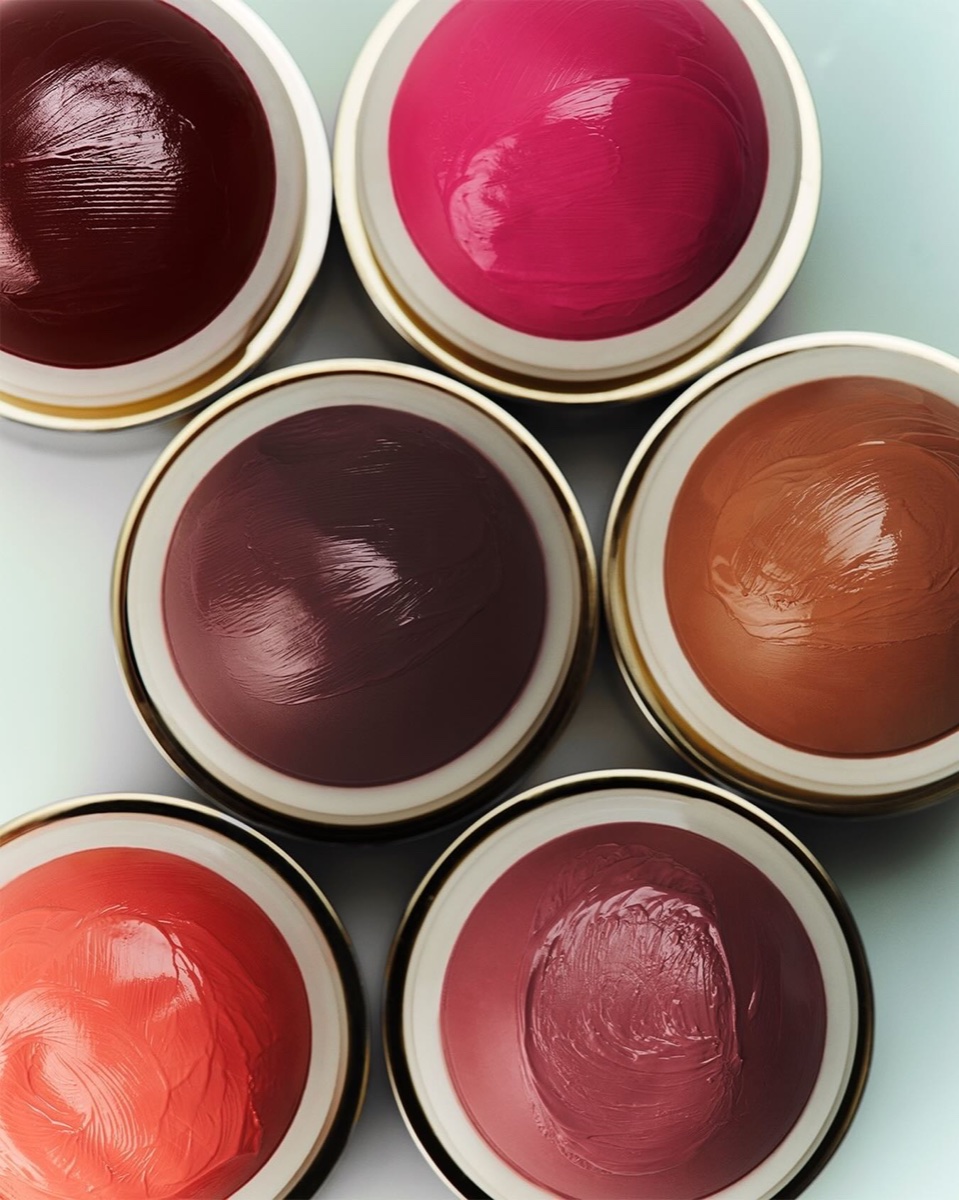
A multi stick is a cream color stick sold to work on more than one part of your face, and the six current labels license anywhere from three zones (e.l.f., NARS) down to one (Westman Atelier’s Baby Cheeks, which its own page describes for cheeks alone). The word on the front is doing different amounts of work in each case. Rhode’s Pocket Blush names cheeks and lips, then adds a boundary in the instructions: “avoid the eye area.” Ilia’s page says “cheeks and lips” and no more. So out of six sticks in the multi aisle, only two put all three zones in writing, and they’re the $6 one and the 1996 original.
Read the table columns against each other and a pattern falls out. The sticks that promise the most places charge the least per gram, $1.20 and $5.00, and the stick that promises exactly one place charges the most, $8.00 at $48 a tube. Every zone a label gives up, the gram price climbs. I can’t tell you why from a desk; formulas, pigment loads and packaging all differ, and none of the brands publish cost breakdowns. What I can tell you is that “it does more, so it costs more” is the one explanation the shelf itself contradicts.
One caveat cuts in e.l.f.’s direction before you sprint there: all seven of its shades are shimmers by the brand’s own naming (Sparkling, Glimmering, Luminous), so a matte-cheek person has no option at $6, and that’s a real gap, not a rounding error.
Ilia Multi Stick vs. Merit Flush Balm: what’s the actual difference?
Merit’s Flush Balm holds twice the product for six dollars less, 9 g at $30 against Ilia’s 4.5 g at $36, and both labels license the same two zones, cheeks and lips. On paper the differences that remain are finish and range: Ilia describes “a buildable wash of color” in 12 shades and is the one with beeswax (so not vegan, where Merit is), while Merit claims a satin, natural finish across 13 shades and sells itself as a blush first, lip color second. Those are the brands’ words, not mine. What’s mine is the division: you’d need to love an Ilia shade about 2.4 times as much.
The comparison people actually type, per autocomplete, is Ilia against Merit, against Rhode, against Westman Atelier, which tells you the real shopping decision happens between $25 and $48. Across that prestige band, the per-gram spread is still 70%. It’s the widest quiet price gap I’ve measured since the Quince cashmere ladder, and it hides in plain sight because nobody prints grams in the marketing, only on the regulatory line of the box.
Is the Ilia Multi Stick worth it?
At $8.00 a gram, the Ilia Multi-Stick costs the same per gram as a $48 Westman Atelier blush and a $24 MAC lipstick, and 2.4 times what Merit charges for the identical two-zone license. If what draws you is a specific shade, its 12-color range runs deeper into berry territory than Merit’s, and this is the season the trend reports are pointing at berry. That’s a defensible $36. But shoppers chasing the other pitch, one product doing many jobs for less money, can skip it on the printed numbers alone, and honestly the aisle logic says something better: the cheapest three-zone stick on this table costs $6, and the discount arithmetic works the same way it does on a sale banner. Divide before you believe.
And if you want the purest version of the trick, it’s already in your bag. The first multi-stick wasn’t a product. It was a lipstick, on a photo set, in 1996, being wiped across a cheekbone by someone who hadn’t asked its label for permission. Cheeks, lips, eyes. You could always do it all.