What Denier Tights Do You Need for Fall? Three Charts From the Brands Themselves Settle It
M&S, Snag, and Wolford all publish denier charts. Lined up side by side, they agree on the unit, disagree on nearly every word after it, and one of them files 40 denier under two categories on the same page.
 ·
· 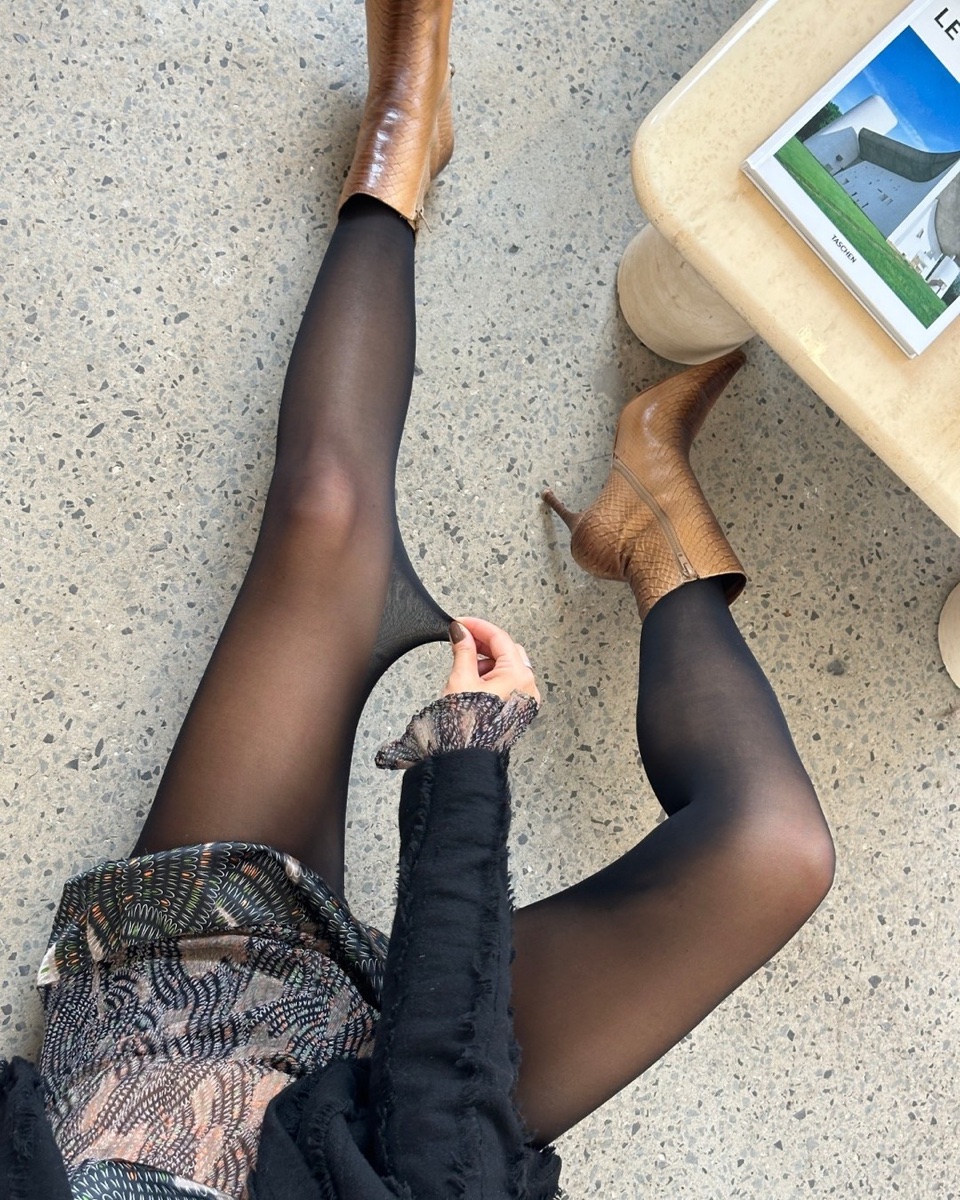
“Semi-sheer (20-40): for everyday wear, opt for 20 or 40 denier tights.” Four lines later, on the same Marks & Spencer guide page: “Opaque (40-80): thick and almost entirely opaque.” Both sentences are live on the retailer’s own tights guide as of this week, and both are about the same product. Forty denier is semi-sheer and opaque at once, depending on which paragraph you stopped reading at.
That guide page sits atop the single most-searched tights question there is. Google’s autocomplete finishes “what denier tights” with “for autumn,” “for work,” and the giveaway “are not see through,” and nearly every page answering those queries is written by someone with tights in a warehouse. So here are three of those warehouses’ own charts, read side by side over the Labor Day weekend, September 4 and 5, 2026: M&S, the £10 default of British hosiery drawers, Snag, the internet’s opacity evangelist, and Wolford, the Austrian brand whose plainest black pairs run $55 to $90.
| The question you typed | The short answer, per the charts |
|---|---|
| What does the denier number mean? | Grams per 9,000 meters of yarn. Weight, not darkness. |
| Are 40 denier tights opaque? | One chart says yes and no at once. The other two say no. |
| What do you need for fall? | The three charts only start agreeing at 60. |
Read the number as weight, not darkness
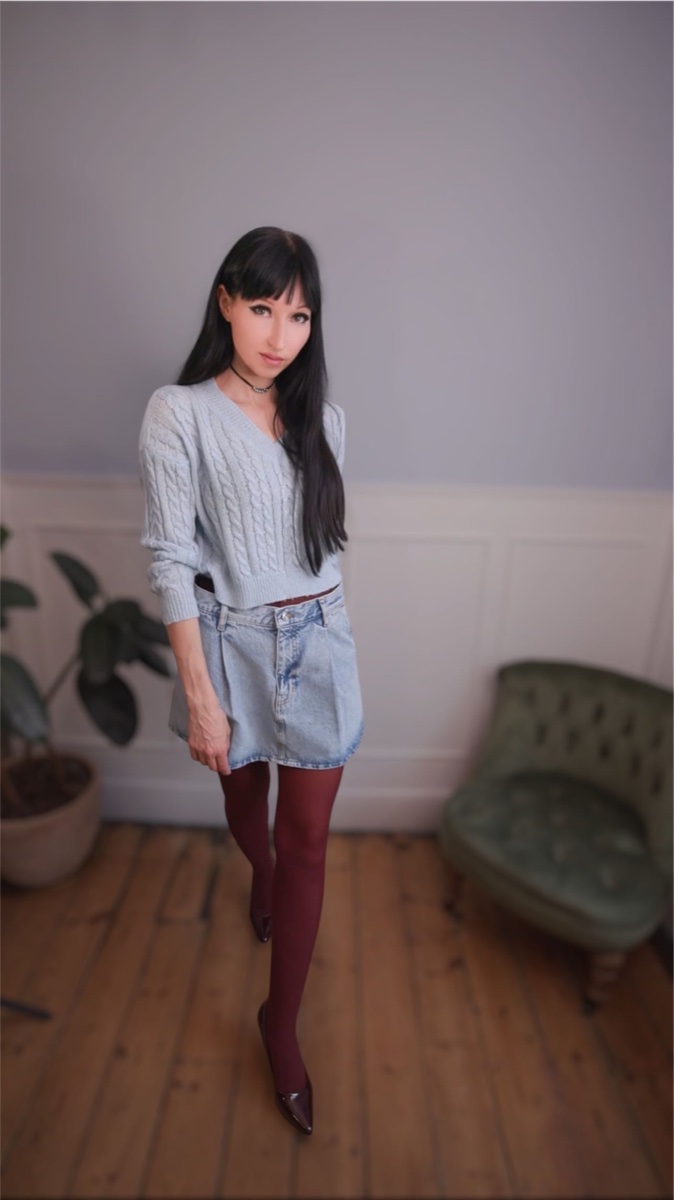
Denier is a unit of yarn weight: one denier equals one gram per 9,000 meters of thread, a measure the textile industry took from the old French denier coin. Nothing in that definition mentions light, skin, or how your legs read across a conference table. A 40 denier thread is simply heavier than a 20 denier thread, and the tights knitted from it are, all else equal, denser.
All else is rarely equal. The brands themselves treat the number as a rough proxy, which is exactly why their charts diverge the moment they translate it into words. The unit is standardized. The vocabulary isn’t. That gap is where your money goes.
What denier tights are not see through?
On the charts of Wolford and Snag, coverage you can trust not to show skin starts at 50 to 80 denier, and no brand of the three promises it below 40. Wolford’s own tights guide draws the line cleanly: sheer runs 4 to 15, semi-sheer runs 20 to 40, and the word opaque is reserved for 50 and up. Snag structures its whole shop the same way, only stingier with the word: 30 denier is filed as sheer, 50 denier as semi-opaque, and the 80 denier collection is where the brand finally commits to “full opacity, so no skin tone shows through at all.”
Then there’s M&S, running both rulings at once. Its guide lists 40 denier inside the semi-sheer band and inside the opaque band, four lines apart. Reading it as a shopper, you’d have no idea whether the £10 pair in your basket will read as coverage or as tint. Reading it as an audit, it’s the most honest chart of the three by accident. Forty denier genuinely is the contested middle, and one page at one retailer accidentally printed the whole industry’s disagreement.
What denier tights do you need for fall?
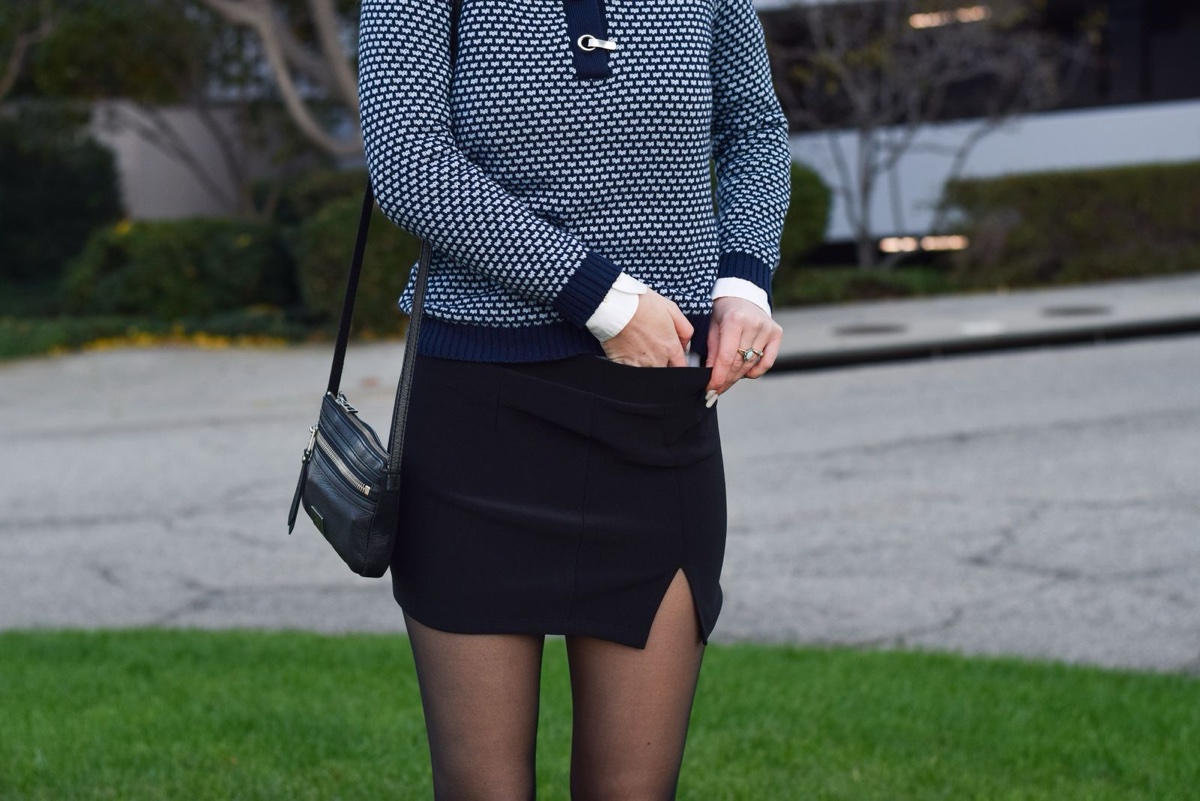
For autumn, the brands’ own recommendations cluster at 40 to 60 denier for transitional weather and 60 or above once it turns properly cold. Wolford’s occasion guidance puts office wear at “a matte finish in a medium to opaque denier (20-60)” and winter at “opaque and ultra-opaque deniers (60-100+).” M&S says its 40 and 60 denier tights “provide extra warmth in the colder months,” and files 80-plus, some fleece-lined, under the deepest winter. Snag doesn’t publish a calendar, but its band names sketch the same slope from 30 to 120.
Put the three side by side and the only number every chart endorses without an asterisk is 60. Below that, you’re in the zone where one brand’s opaque is another’s semi-sheer. Above it, you’re just choosing warmth. If your search was “what denier tights for autumn” and you want one purchase that survives the season, 60 is where the paperwork stops arguing.
Early September doesn’t need that yet. It needs the contested band, and this is the week the decision starts arriving, right as the autumn/winter 2026 collections put tights back in the frame. Who What Wear’s autumn boot rundown from August 24 had designer Sinead Gorey pairing suede boots with argyle-print tights. Trend pages will sell you the print. They won’t pick the number underneath, and that’s the part you’ll be wearing until March.
Pay for the brand on purpose, not for the number
Denier predicts opacity, roughly. What it does not predict is price. Snag’s 80 denier opaques are £9.49. Wolford’s Mat Opaque 80 is $80 for the same yarn weight, and its Individual 10, a sheer at one eighth the denier, still costs $60. Within one brand’s catalog the heaviest and lightest tights sit $20 apart while the yarn weight moves by a factor of eight. Across brands, the same 80 on the label runs from £9.49 to $80, and the label doesn’t blink.
Standard desk note, and the honest limit of a paperwork audit: I haven’t worn any of these pairs, and a denier chart can’t tell you how a knit feels, fits, or survives a week of boot zips. That’s the part the $80 is bidding on. Wolford describes finish and comfort. M&S sells “ladder resist” even at 10 denier. Snag’s pitch is fit range. None of those claims live in the denier number, which means none of them are settled by it, and a number printed on a label is only ever as useful as the words the brand attaches to it. The same lesson keeps turning up on care labels, where the printed instruction is the contract and the marketing is the mood.
So the skip is specific. Don’t pay more for opacity itself. Opacity is the cheapest thing on the shelf, £9.49 at full claim, and the charts agree on where it starts. Pay a premium only if you’ve decided you want what the premium brand actually names: the finish, the fit, the feel. On paper, those are different products that happen to share a number.
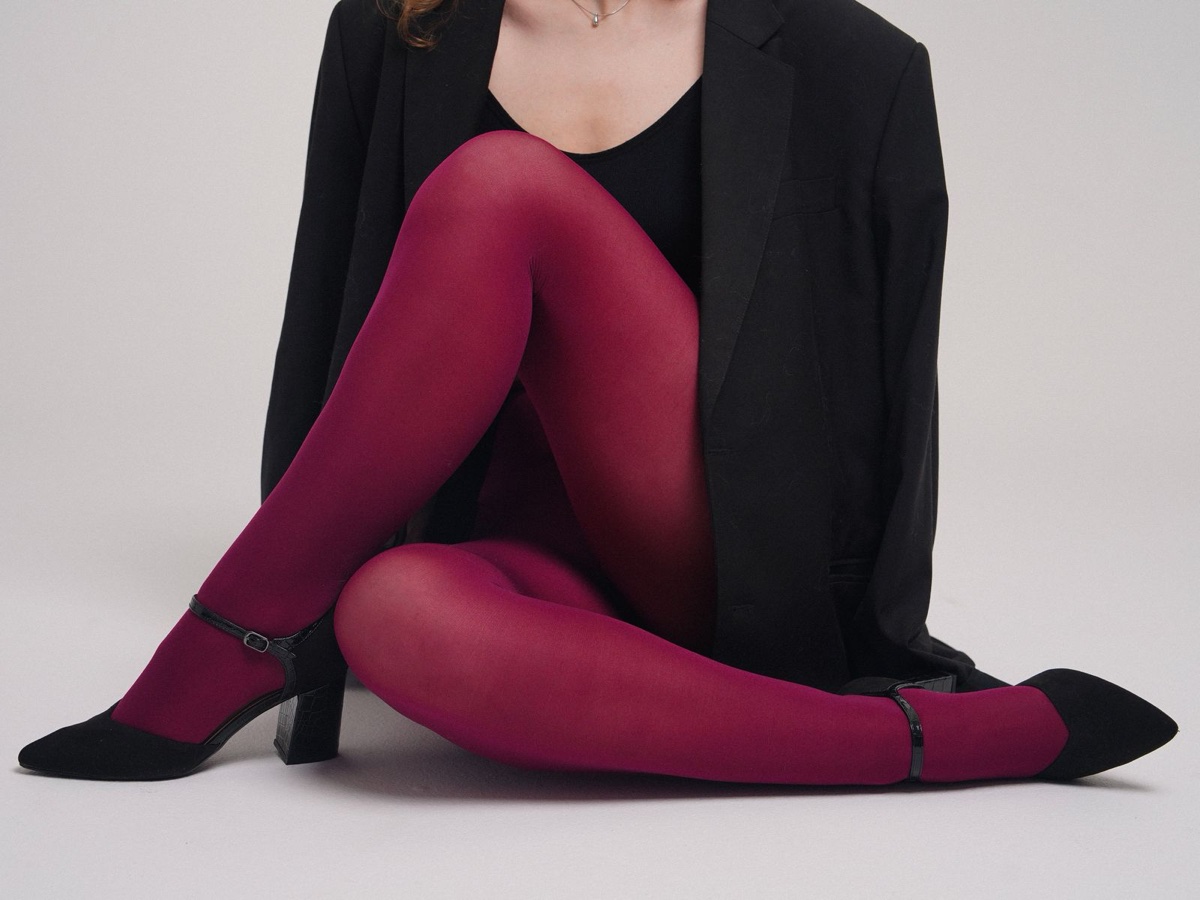
Before you close the tab, the card again, now with verbs. The number means yarn weight, so read it as thickness, never as a quality grade. Forty denier is the ambiguous band, so buy it for tint on purpose or not at all. And for the fall purchase you came here to make, start where all three charts finally use the same word. Snag’s catalog states the standard plainest: “full opacity, so no skin tone shows through at all.”