Why Do Sweaters Pill? The Brands Selling Them Already Answered in the Fine Print
Woolmark, Uniqlo, Quince, and Naadam all publish pilling language, and we read it side by side over the first weekend of September. One of them promises a single shave. One says no promise is possible. And a 1-to-5 lab grade sits behind all of it, unprinted.
 ·
· 
“Buy nice or buy twice” has a September corollary that everyone recites over a bobbled sleeve: if it pills, it was cheap. The rule gets delivered like a coroner’s report, usually while the sweater in question is being demoted to loungewear, and it’s a deeply satisfying rule, because it sorts a closet into virtue and error and flatters whichever purchase cost more. There’s a kernel in it. Fiber length and construction really do change how fast the bobbles arrive, and price often buys both.
The rest of it doesn’t survive contact with the sellers’ own paperwork. On September 5, 2026, we read the pilling language that knitwear sellers publish themselves: Woolmark’s care page, Uniqlo’s care FAQ, Quince’s cashmere guide, and Naadam’s cashmere explainer, plus the lab standard the goods are graded under before shipping. The short version: every document calls pilling normal, none of them uses the word defect, one brand promises it happens exactly once, the wool industry’s own body says nobody can promise anything, and there’s a 1-to-5 lab grade for pilling that never reaches the hangtag.
The long version changes what you should pay for.
Why do my sweaters pill so fast?
Sweaters pill because rubbing tangles the loose fiber ends that stick out of any spun yarn, which is why Uniqlo’s care FAQ blames “normal, everyday wear” rather than your washing machine. Textile references describe four stages: fuzz forms, the fuzz tangles, the tangle grows into a ball, and the ball either falls off or hangs on. Your part in this is friction, and friction is not evenly distributed. Cuffs, ribs, underarms, the patch where a tote strap crosses your side: that’s the map of everywhere a bag or a desk edge has been.
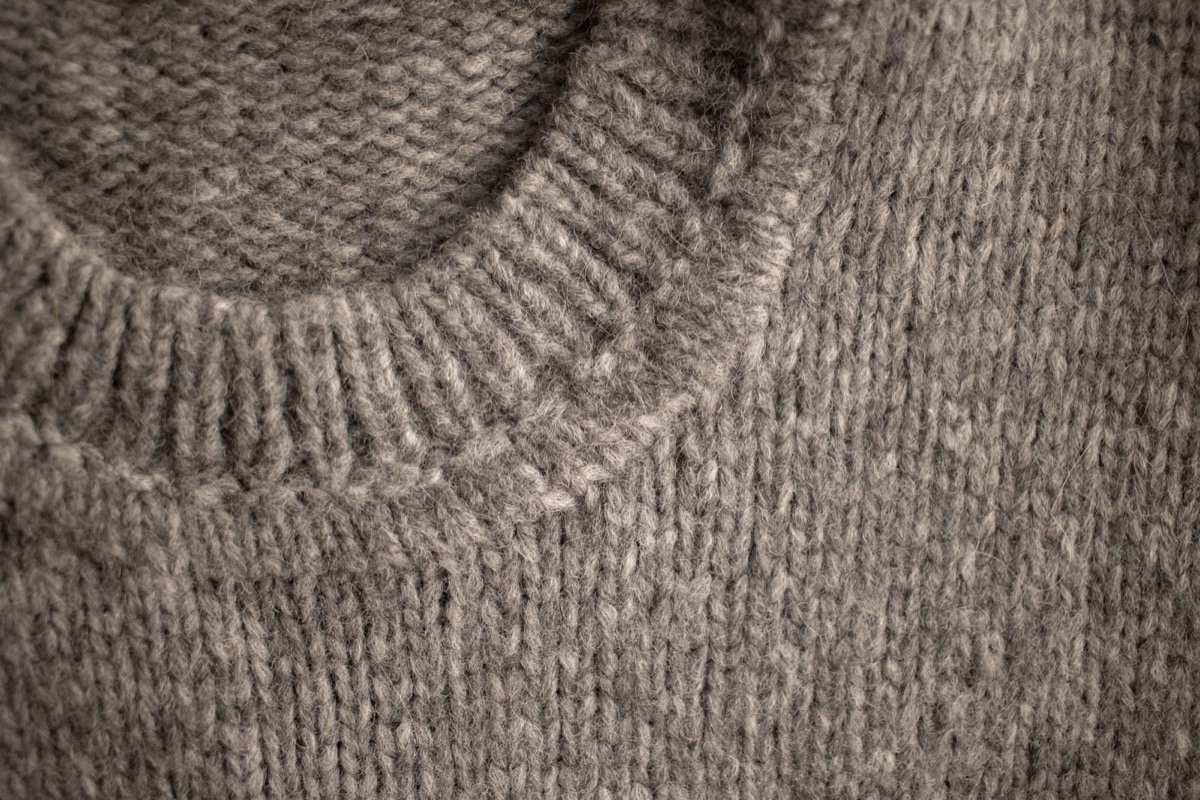
Two structural facts do most of the explaining. Knits pill more than wovens because the yarn sits looser, with more surface free to rub. And fiber ends are the raw material, so the more ends per inch of yarn, the more fuzz you’ll grow: short-fiber yarns carry more ends by definition. On a pure wool sweater the bobbles eventually break off and the knit settles down. On a wool-poly blend they don’t, because the stronger synthetic strand is what anchors each ball to the cloth long after the wool in it has given up.
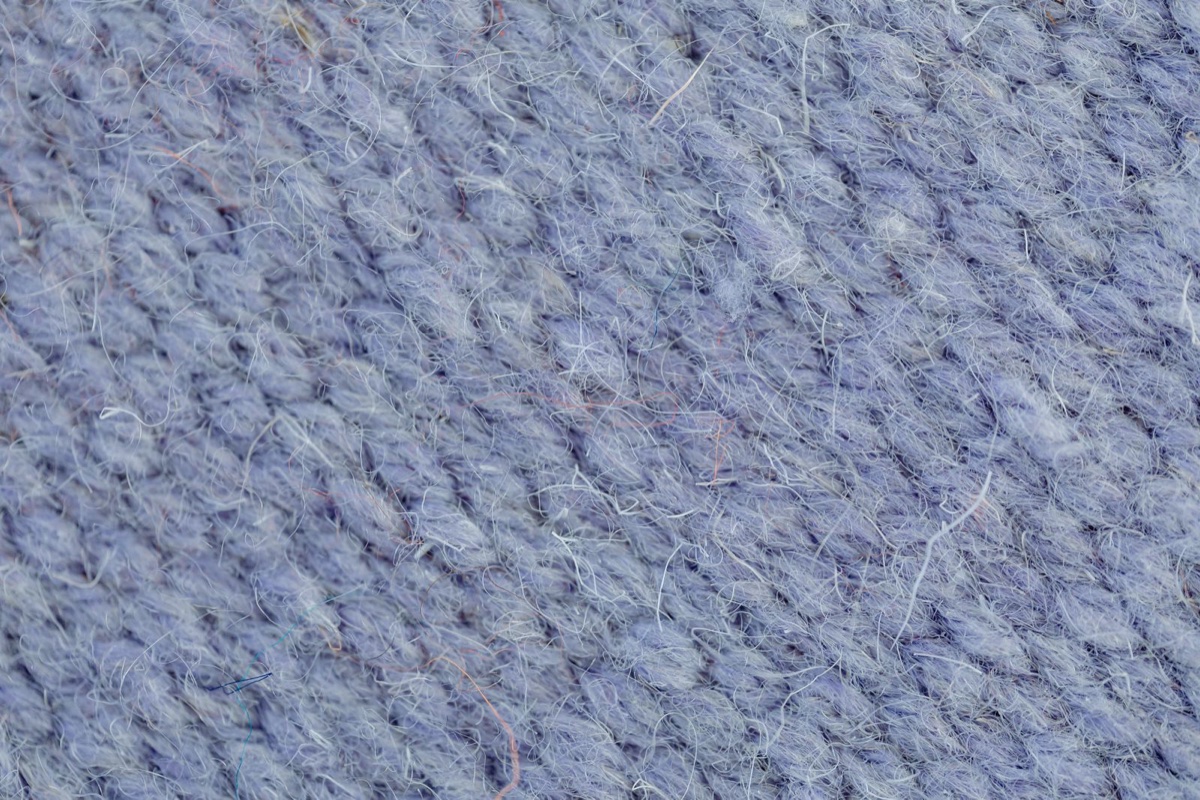
Is pilling a sign of bad quality?
No single bobble says anything about quality on its own: Woolmark, the wool industry’s marketing body, writes that “because pilling is so complex, nobody can guarantee that it won’t occur.” We lined up what each document actually commits to, read on September 5, 2026:
| Who wrote it | The document | The pilling position |
|---|---|---|
| Woolmark | “What is pilling?” care page | “Because pilling is so complex, nobody can guarantee that it won’t occur.” |
| Uniqlo | Sweater care FAQ | Cause is “normal, everyday wear.” No defect language, no return language. |
| Quince | Cashmere 101 guide | “Pilling is natural, even with Grade-A cashmere.” |
| Naadam | Facts About Mongolian Cashmere | “Our longer, higher-quality fibers only pill once.” |
Naadam’s line is the boldest sentence on that table, and the mechanism half-supports it: longer fibers mean fewer ends, so its direction is right. The count is the problem. “Once” is a promise, and no document we found measures pilling in occurrences. The lab measures it in grades. Under the pilling-box method textile labs use for knits (ISO 12945-1), a garment gets tumbled for a set period and compared against photographic standards on a scale from 5, meaning no change, down to 1, meaning severe. HD Merino, a knitwear factory that writes about its own line, says “only garments that achieve Grade 3 or higher resistance are approved for shipment.” So a graded number for exactly the thing you’re angry about exists, was recorded, and stays in the factory. The hangtag tells you the fiber. Nobody prints the grade.
Here’s where a desk reading hits its limits, and ours has three. We haven’t worn or shaved any of these sweaters, so everything above comes off the page. The pages themselves aren’t neutral: a care guide that calls pilling natural is also the page you’ll be shown if you write in about it. And no label discloses staple length, so Naadam’s “longer” is a claim you can’t check at the point of sale. What you can check is construction.
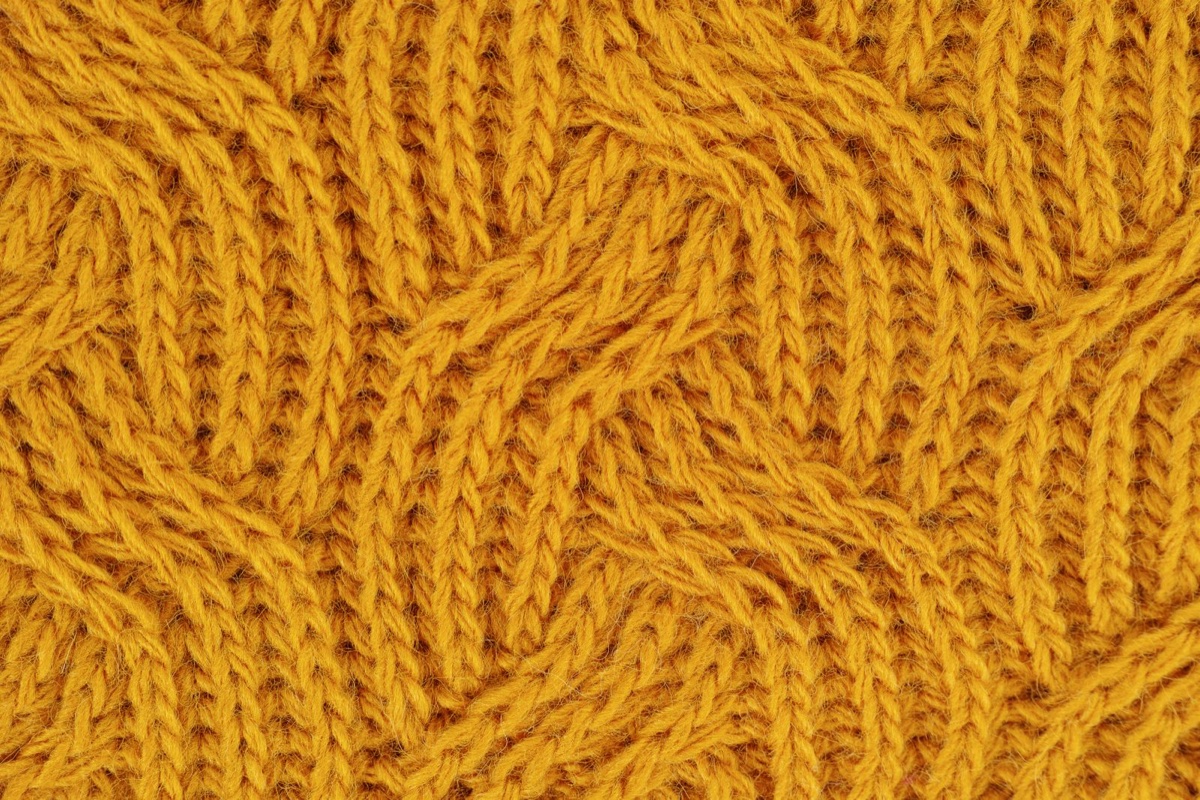
Does cashmere pill more than merino?
A soft, lofty cashmere knit usually bobbles sooner than a fine merino of similar weight, because its short, fine fibers put more loose ends on the surface, and Naadam’s own page concedes the mechanism: “sweaters made from shorter fibers are prone to persistent pilling.” The species matters less than the build, though. Woolmark’s advice to designers reads like a spec sheet you can reverse: use longer fibres, use “the highest twist factor you can handle,” use denser fabric. A tightly twisted 2-ply cashmere can outlast a loose single-ply merino without breaking a sweat.
So read the parts of the label that do exist. Ply, printed on most cashmere pages. Knit density, visible in the photos. Blend percentages, which cut both ways: the factory notes above list core-spun wool with 5 to 15 percent nylon as more pill-resistant, while the textile references note that when a blend does pill, the synthetic is what holds the bobble on. We’ve walked through the merino label check before, and every line of it applies here. Brushed or “cloud” finishes are pre-fuzzed by design. You know what fuzz becomes.
Do brands take pilled sweaters back?
None of the four documents we read treats pilling as a defect, and none of them mentions a refund path for it. The remedies on offer are mechanical and cheap: a cashmere comb or a fabric shaver, applied flat and gently, with Uniqlo adding one warning worth repeating, that “excessive removal can lead to thinning and reducing the volume of the garment.” Shave the pill, not the sweater.
And if you’re shopping this month with the folk rule in your head, you can skip the no-pill premium entirely. Nobody who makes knitwear will put that promise in writing, and the one brand that came close still budgeted you a shave. When the first bobbles show up along the rib in October, your sweater hasn’t failed. Per every page above, it’s keeping the only schedule it was ever sold on.