Size Recommendation Accuracy | What the Fit Tools Promise the Store Instead
Five companies sell the little Find your size button to apparel retailers. We read their own pages on September 25, 2026, counted what they publish, and found the sentence that explains what the button is actually solving for.
 ·
· 
Four billion a month. That is what Fit Analytics prints on its partners page as the running total of size recommendations it serves, alongside 250 partners and 20,000 supported brands, and the figure is worth sitting with for a second. The small button under the size row, the one that says it’ll find your size, has quietly become one of the most-used pieces of judgment in the clothing business.
We press it too. It’s free, it takes eleven seconds, and it arrives at exactly the moment we’re least sure of ourselves, which is the moment we’re about to spend $128 on trousers we can’t touch. Nobody at this desk has tested one of these widgets against a real body in a real fitting room, so this isn’t a verdict on whether the size it gave you was right. We spent September 25, 2026 reading what the five companies that sell these tools tell retailers and shoppers about them, which turns out to answer a slightly different question than the one we type into Google.
What is the recommender actually reading when it picks your size?
Fit Analytics answers this in plain language on its own shopper-facing page, and the sentence is the most useful thing we read all day. Fit Finder, the FAQ says, “compares you to other shoppers who entered similar size-related information (height, weight, age, etc.) and finds the size that was most often kept and not returned for fit-related reasons.”
Read that again with a shopping bag in your hand. The engine is not looking for the size that fit the people like you. It’s looking for the size those people didn’t send back.
Most of the time those are the same thing, because people mostly keep clothes that fit. But they are not the same measurement, and the gap between them is not academic, because everything a retailer does to make returning harder pushes the keep rate up without moving a single seam.
Why does “kept” not mean “fit”?
Keeping a garment is cheap at some retailers and expensive at others, and we’ve spent a lot of this year documenting the difference. A shopper who paid a return shipping fee last time keeps the slightly tight jumper this time. So does the one who bought it on final sale, or from a seller that charges for the return label, or who missed the window by four days.
Pact makes the shape visible on one page. Its shipping and returns page offers a free drop-off at a Happy Returns bar, charges a $3 processing fee if you print a label at home instead, and then adds a line that has nothing to do with fit at all: “Clearance Items are not eligible for return or exchange.” A clearance item kept by a shopper who had no choice is, to a keep-rate model, indistinguishable from a clearance item that fit.
None of this makes the recommendation worthless. Keep rate is a real signal, it’s cheap to collect at enormous scale, and a size that 80,000 similar bodies held onto is a better guess than the size chart alone. What it isn’t is a measurement of your body, and the vendors are clearer about that than the buttons are.
What do the five vendors publish about their own accuracy?
Four of the five publish no accuracy rate whatsoever, and the fifth publishes one without saying how it was measured. Every other headline number on these sites is a retailer profit-and-loss number. Here is what each company printed as of September 25, 2026.
| Tool | What it asks you for | Published effect on returns | Published effect on sales | Accuracy rate published |
|---|---|---|---|---|
| Fit Finder (Fit Analytics) | Height, weight, age, fit preference | Down 2 to 4% average; down 13.5% at Foot Locker EU | Up 4 to 6% conversion | None |
| Virtual Sizer (Bold Metrics) | Nothing measured; predicts 50+ measurements | “Minimize fit-related returns” (no figure) | “Increase conversion and AOV” (no figure) | “Tailor-level accuracy” (no figure) |
| Fit Quiz (Easysize) | A few clicks, no weight or measurements | Down 30% | Up 60% sales, 15x ROI | None |
| Mobile Tailor (3DLOOK) | Two photos, 30 seconds | Down up to 20% | Conversion and lead generation (no figure) | None |
| SizeSense.ai | Garment measurements, body shape, fit preference | Not published | Not published | 94%, method not stated |
Two things fall out of that table. The first is the spread: Easysize publishes a 30% cut in returns and a 60% lift in sales, while Fit Analytics, the largest of them by its own volume figures, publishes 2 to 4% and 4 to 6%. Those are the same product category describing effects an order of magnitude apart. The second is the test design. Across every case study and stat we read, exactly one named its method, a two-month A/B test at the Swedish outdoor retailer Ridestore, and the rest are averages across self-selected customers.
A note on who’s missing. True Fit, probably the name most people would have expected here, publishes a content signal in its robots file reading ai-train=no, search=yes, ai-input=no, so we left its pages out of the table rather than quote them. Mizzen+Main, a Bold Metrics customer, returned a 429 and we didn’t push. Absence from a table is not a finding about those companies.
Is anything trying to stop you ordering two sizes?
Yes, and Fit Analytics built a feature for it and published the numbers. Multiple Size Alert “notifies shoppers when they attempt to add a second size to their cart, encouraging them to utilize Fit Finder to choose one size,” and retailers running it saw “a 13% relative decrease in the incidence of multiple size orders” and, as a result, “a 6% reduction in return rate.” Bold Metrics sells the same promise in three words on its homepage: prevent bracketing and returns.
Ordering two sizes is the one method a shopper has that does measure a body against a garment. It’s also the single most expensive shopper behaviour in the category, which is why a tool paid for by the retailer will interrupt it. Both facts are true at once, and only one of them is printed on the button.
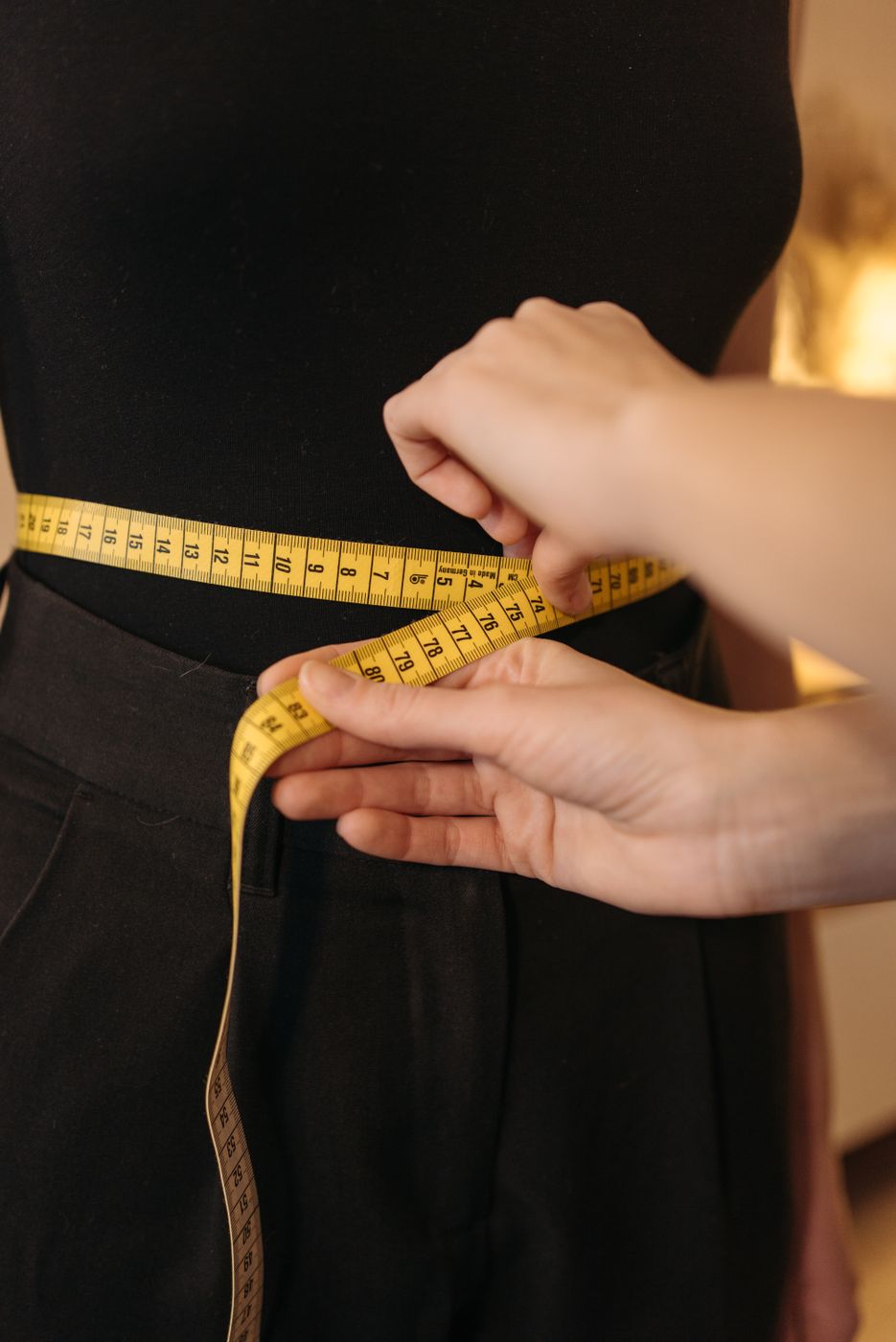
So are size recommendations accurate?
Nobody has published enough to say, and that includes the companies that would most like to. Five vendor sites, one accuracy figure, no stated method for it, and one named A/B test across the whole set. We can tell you what these tools are optimised for, because they say so, and it is the size their data says gets kept. Whether that size fits you is a question their public documents don’t answer, and we’d be inventing a number if we filled it in.
What you can do with that, at the button:
- Answer honestly and then read the recommendation as a crowd average, not a measurement. It’s built from people who share your height, weight and age, not your shoulders.
- Check the return terms on the same page before you accept it. A free return makes one size a low-risk bet. A restocking fee or a final-sale tag means the recommendation is carrying more weight than it was designed to carry.
- If the garment is structured, a coat, a blazer, anything with a shoulder seam that has to land somewhere specific, measure a garment you already own and compare it to the brand’s chart. That’s a measurement. The widget is a vote.
- Ignore any claim about sizes running true until you know whose sizes they’re being compared to.
The fitting room isn’t coming back. The thing standing in for it is a machine trained on which parcels stayed shut, and that’s a genuinely useful thing to have, as long as nobody tells you it’s a tape measure.