When Do Halloween Costumes Go On Sale? The Countdown Isn't on the Price Tag
The last national rival liquidated in early 2025, the biggest chain now runs 1,550 pop-ups on a ten-week clock, and the only markdowns anyone logs arrive on November 1. What shrinks before then is stock, shipping windows and your right to return.
 ·
· 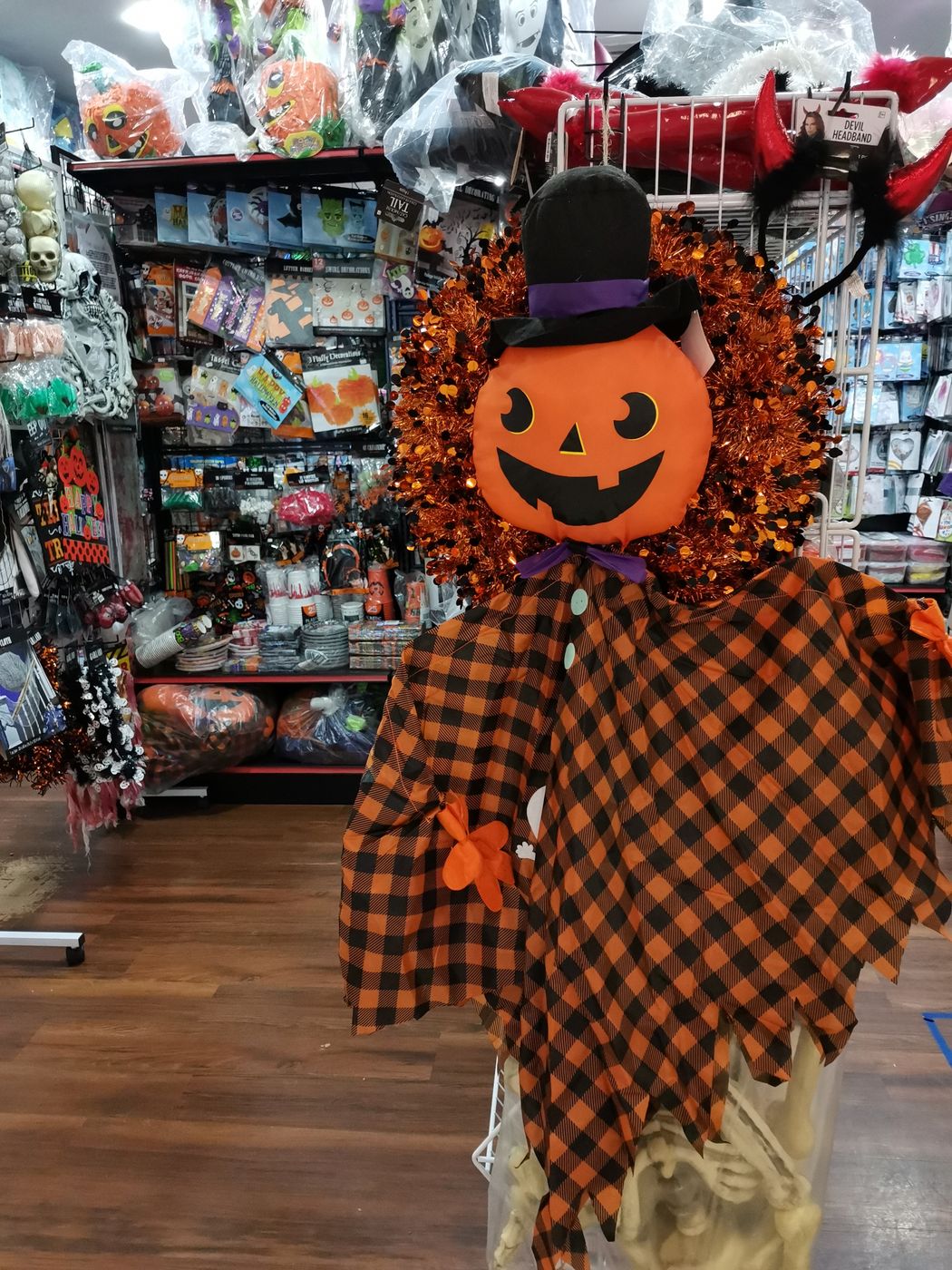
Two Octobers ago, the American costume aisle was still a duel. Party City held roughly 700 permanent storefronts, Spirit Halloween pitched its tents in whatever retail space had gone dark that year, and a shopper who felt like waiting could at least hope one side would blink. Then Party City filed for Chapter 11 a second time on December 21, 2024, with about $400 million in debt, and liquidated the entire chain within months, as Retail Dive reported. This fall, Spirit opened more than 1,550 pop-ups across North America. Nobody moved in across the street.
That change decides the answer to the question you typed. Whether costumes go on sale before October 31 used to depend on two companies watching each other. Now it depends on one company’s calendar, and that calendar is public enough to read.
A disclosure before the reading: nobody on this desk has walked a costume aisle this season, and spirithalloween.com would not load for our reader at all, robots file included, so every claim about that retailer below is attributed to documents published elsewhere. The figures come from the National Retail Federation’s annual consumer survey, from press releases, from retail trade coverage and from deal-tracking sites that log markdowns year after year, each dated where it appears.
Do Halloween costumes go on sale before Halloween?
Broadly no. From late August through October 31 the specialty costume market holds list price, and the documented exceptions sit at general retailers: The Krazy Coupon Lady’s clearance log, last updated August 2023, records Target running buy-one-get-one costume promotions from mid-September to early October and cutting up to 30 percent in the final week before the holiday. Coupon codes exist at the specialty chains. Scheduled markdowns, in any tracker this desk could find, do not.
The demand math explains the stubbornness. NRF’s 2025 survey, released September 18, 2025, put total Halloween spending at a record $13.1 billion, costumes at $4.3 billion of it, and per-person spending at $114.45. The detail that matters for timing: 49 percent of celebrants said they’d start shopping in September or earlier. NRF’s 2026 preview, posted ahead of a full survey promised for late September, says a quarter of consumers had already bought at least one Halloween item by early August.
A market where half the buyers show up before October doesn’t need to pay anyone to come early.
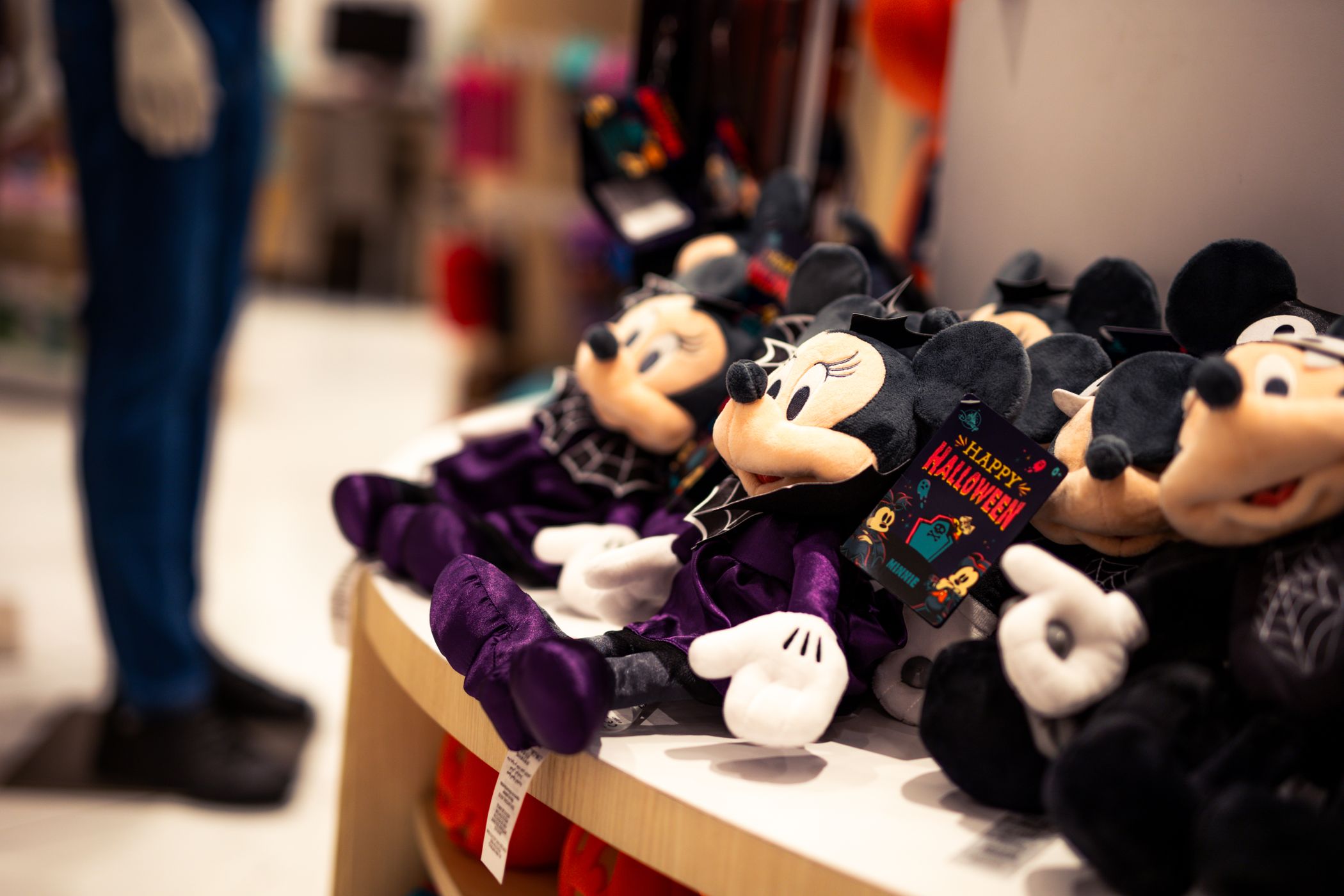
To be fair to the waiting strategy, it isn’t irrational everywhere. Target’s logged windows are real promotions on real costumes, Amazon’s October event has covered seasonal goods before, and if your costume starts in your own closet the whole question dissolves into a fabric-marker run. We’ve argued the general version of that case in our October Prime Day audit. The strategy only breaks when you point it at the specialty aisle and assume someone there will eventually blink. The someone retired in 2025.
Why is Spirit Halloween so expensive?
Spirit Halloween runs more than 1,550 stores that exist for roughly ten weeks, and every dollar of rent, fixtures, staffing and freight has to come back out of one selling season with a hard stop. A permanent store can carry unsold sweaters into February. A pop-up’s unsold animatronic has nowhere to go on November 2 except a warehouse or a dumpster, which is exactly why the chain would rather sell it at full price in September than gamble on a discount race in October. The one rival that could have forced the race, the other half of the old duel, left the field: Retail Dive’s bankruptcy coverage recorded Party City’s comparable store sales falling 9.5 percent in the year before the filing.
Read what the seller chose to publish. Spirit’s August 18, 2026 press release announcing the season runs through the store count, a new camp-horror theme, licensed costumes, an animatronics line and a $20 million charity goal. The word price does not appear. Neither does sale, discount or clearance. A company that planned to compete on price in October would say so in August.
The silence is the strategy, printed.
What expires while you wait for a markdown?
Three things go before the price does: deep stock, the shipping window and, at the biggest chain, your right to return anything at all. Third-party return-policy guides, and this desk could not verify them against Spirit’s unreachable site, consistently print the same 2026 schedule: standard returns through October 16, exchange only from October 17 to 22, and every sale final after October 22, with wigs and opened makeup final from day one. Treat those dates as secondhand until the receipt in your hand says otherwise, and read the receipt, because that printed policy is the only version that binds anybody. We’ve written before about what final sale actually means when the carve-outs go unprinted.
The pattern is worth staring at. A markdown would transfer risk from you to the store, and the published season does the opposite, one week at a time.
| Window | What prices do | What’s on the shelf | Your exit, per printed policies |
|---|---|---|---|
| Now to early October | List, plus Target’s logged BOGO window | Fullest of the year | Standard returns |
| October 10 to 16 | List | Popular sizes thinning | Last full-return days at the big chain, per policy guides |
| October 17 to 22 | List | Picked over | Exchange only, per the same guides |
| October 23 to 31 | List, shipping upcharges replace discounts | Remainders | Final sale |
| November 1 onward | Trackers log 50 percent day one, 70 within days | Whatever survived | Clearance, sold as is |

So the honest reframe of the search query: the countdown running from today isn’t ticking toward a discount. It’s ticking away your refund, your size and your standard shipping, in that order, which makes waiting inside October all downside at the specialty chain and leaves only one question with a genuinely cheap answer.
When is the cheapest time to buy Halloween costumes?
November 1 is the cheapest morning in the costume calendar that still has product on it. The Krazy Coupon Lady’s log records Walmart cutting Halloween goods 50 percent the day after the holiday and reaching 70 percent within three to four days, Target landing near 70 percent the same week, and Spirit flagging its clearance with prices ending in .97 or .98 during a window the site calls super short. Every one of those numbers is for a costume you’ll wear in 2027. The market’s one real sale is scheduled for the morning after the night the product stops mattering, and it is deep precisely because the sellers’ alternative is a dumpster.
Our verdict, for this year: if a bought costume is happening, buy it on selection and shipping, this week or next, from somewhere whose return window is still open when you check out, and don’t leave it in the cart waiting for a coupon that no tracker has ever logged. If the budget is the point, raid the closet or the bedsheet drawer now and raid the clearance racks on November 1 for next year. Both moves beat paying list in late October for a final-sale remainder.
The costume aisle stopped being a duel when Party City’s lights went out. What’s left is one retailer, one ten-week clock and a crowd that NRF says mostly shops before October anyway. Wait for the other side to blink if you like. There’s no other side. There’s a countdown, and the price was never the thing counting down.